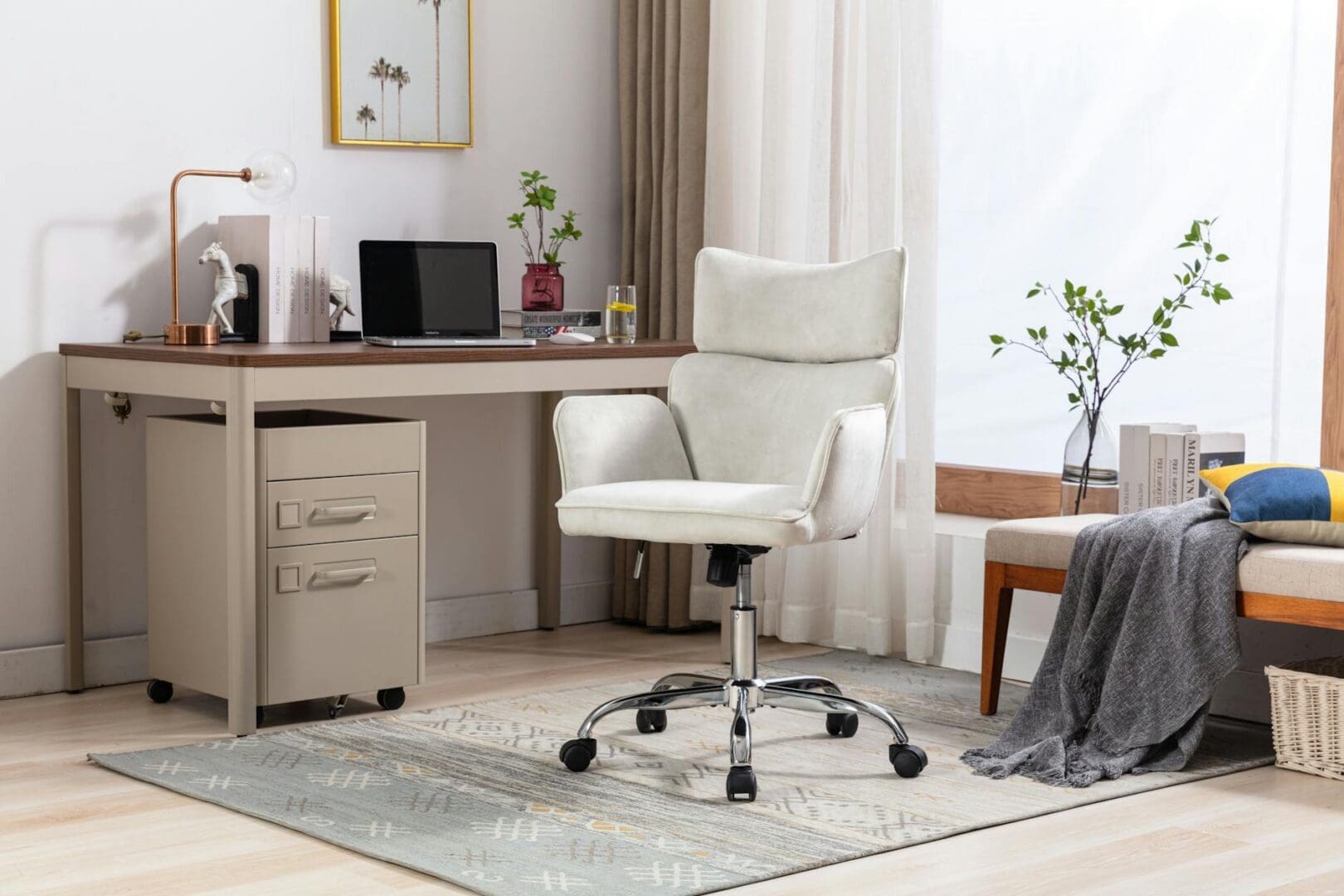
Your office chair takes a beating. Between coffee spills, snack crumbs, dust buildup, and daily wear, it’s probably overdue for a proper cleaning. The good news? Most office chairs are surprisingly easy to clean once you know what you’re working with. The key is matching your cleaning method to your chair’s material—what works beautifully on mesh can ruin leather, and vice versa.
Know Your Chair Material First
Before you grab any cleaning supplies, identify what your chair is made of. This single step will save you from potential disasters like water stains on leather or bleach damage on fabric.
Most office chairs fall into four categories: fabric upholstery, leather (real or faux), mesh, and vinyl. Check the manufacturer’s tag—usually tucked under the seat—for specific cleaning codes. “W” means water-based cleaners are safe, “S” requires solvent-based cleaners, “SW” means either works, and “X” means vacuum only. If there’s no tag, test any cleaner on a hidden spot first.
For chairs with multiple materials—like a mesh back with fabric seat—you’ll need to treat each section differently. It takes a few extra minutes but prevents you from damaging one material while cleaning another.
Cleaning Fabric and Mesh Office Chairs
Fabric and mesh chairs are the most forgiving and easiest to maintain. Start by removing loose debris with your vacuum’s upholstery attachment. Get into the crevices where the seat meets the armrests and backrest—that’s where crumbs love to hide.
For routine cleaning, mix a few drops of dish soap with warm water. Dip a microfiber cloth into the solution, wring it out well (you want damp, not soaking), and wipe down the fabric in circular motions. For mesh chairs, you can be slightly more generous with moisture since mesh dries quickly.
Stubborn stains need a different approach. For fabric chairs, try:
Ink stains: Dab with rubbing alcohol on a cotton ball
Coffee or tea: Blot with a mixture of white vinegar and water (1:1 ratio)
Grease: Sprinkle baking soda, let it sit for 15 minutes, then vacuum and spot-clean
Always blot stains rather than rubbing, which can push the stain deeper into the fibers. Let the chair air dry completely before sitting on it—sitting on a damp chair can create mildew problems down the road.
Caring for Leather and Faux Leather Chairs
Leather office chairs range from budget-friendly faux leather options around $150 to genuine leather executive chairs that run $500 and up. Regardless of price point, the cleaning approach is similar but requires more caution.
Start with a simple wipe-down using a slightly damp microfiber cloth—sometimes that’s all you need. For deeper cleaning, use a cleaner specifically formulated for leather. Avoid all-purpose cleaners, which can strip the protective coating and dry out the material.
Real leather needs conditioning every 6-12 months to prevent cracking. Apply a leather conditioner with a soft cloth, working it in with circular motions, then buff away any excess. Faux leather doesn’t need conditioning, but it’s more prone to peeling if you use harsh chemicals or scrub too aggressively.
Never saturate leather with water, and keep leather chairs away from direct sunlight and heating vents, which accelerate drying and cracking.
Don’t Forget the Chair Base and Wheels
The cleanest seat cushion in the world still looks dingy if the base is grimy and the wheels won’t roll. Flip your chair over and remove any hair, string, or debris wrapped around the wheel axles—scissors or tweezers work well for this.
Wipe down the wheelbase, armrests, and any plastic or metal components with all-purpose cleaner and a microfiber cloth. For sticky residue on armrests, a bit of rubbing alcohol does wonders. If your wheels still don’t roll smoothly after cleaning, they might need replacement—most standard wheels cost $15-30 for a set and snap in without tools.
A clean office chair isn’t just about appearances. Regular maintenance extends the life of your chair, protects your investment, and makes your workspace feel more professional. Set a reminder to do a quick clean monthly and a deep clean quarterly. Your chair will look better, last longer, and you’ll actually enjoy sitting in it—which matters when you’re spending 40+ hours a week there.
Your home office deserves better than a jumble of mismatched shelves and that filing cabinet you’ve been meaning to replace. A storage wall unit can transform your workspace from chaotic to composed, giving you dedicated spots for books, supplies, tech equipment, and all those things that currently live in piles. The trick is finding one […]
Your back is telling you it’s time. After months of working from home in a dining chair or that hand-me-down seat from college, you’re ready to invest in a proper office chair. The good news? You don’t need to spend $800 on a Herman Miller to get real ergonomic support. The under-$300 market is packed […]
If you’re spending hours at your desk every day, your office chair matters more than you might think. The two most popular materials—mesh and leather—each have devoted fans, but they deliver very different sitting experiences. Let’s break down what actually matters so you can choose the one that fits your workday, your space, and your […]