Staring at two office chairs online, wondering which one your back will thank you for six months from now? You’re not alone. The difference between a task chair and an executive chair isn’t just about price tags or how impressive they look on a video call—it’s about how you actually work and what your body needs during those long hours at your desk.
Let’s break down what sets these two popular office chair styles apart so you can make a choice you’ll feel good about every time you sit down.
Design and Appearance: More Than Just Aesthetics
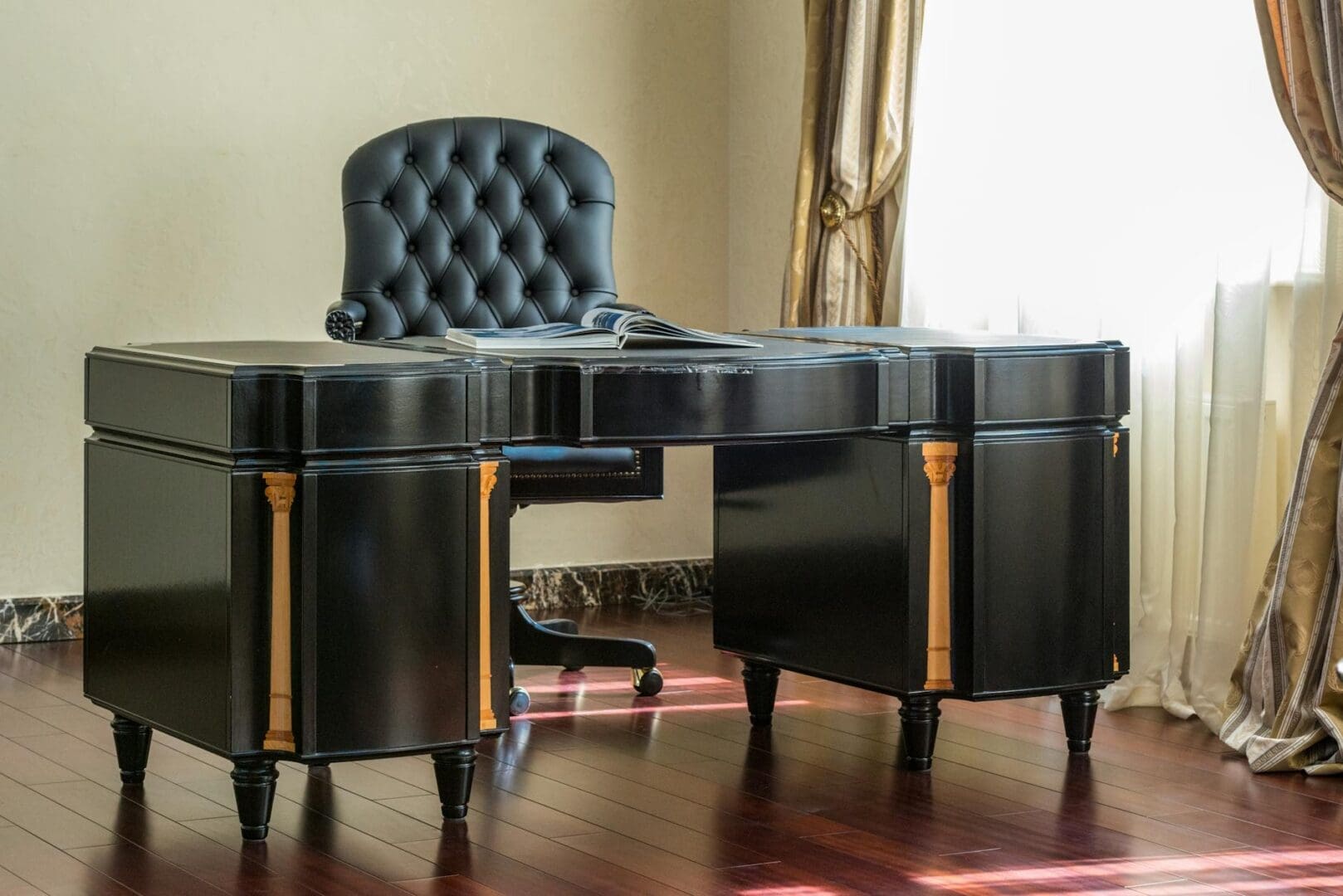
Executive chairs are the ones that make a statement. They typically feature high backs that extend above your shoulders, generous padding, and often come wrapped in leather or high-quality faux leather. Think of the classic boardroom chair—substantial, commanding, with armrests that feel more like lounge furniture than office equipment. These chairs usually have a wider seat and an overall more substantial footprint.
Task chairs, on the other hand, take a streamlined approach. They’re designed with a lower back (usually mid-back height), lighter visual weight, and often incorporate mesh materials for breathability. You’ll find them in a range of styles from ultra-modern to basic utilitarian, but they all share a compact, functional aesthetic. They’re built to tuck neatly under a desk and move easily around a workspace.
Functionality and Movement: How You Actually Work
Here’s where the real differences show up in your daily routine. Task chairs are engineered for active work—the kind where you’re constantly reaching for files, pivoting between monitors, or scooting over to grab something from a nearby surface. They typically offer:
Greater mobility with smooth-rolling casters designed for frequent movement
Lighter overall weight for easy repositioning
Swivel mechanisms that encourage dynamic sitting
Adjustable features focused on ergonomic positioning during active tasks
Executive chairs prioritize a different kind of comfort. They’re designed for longer periods of seated concentration—reading documents, taking calls, or thinking through complex problems. The higher backs provide head and neck support, which is wonderful if you spend hours in video meetings or lean back while reviewing reports. However, that same substantial build can make them feel less nimble if you’re constantly on the move.
Ergonomics and Adjustability: Support Where You Need It
Both chair types can be ergonomic, but they approach body support differently. Modern task chairs often pack impressive adjustability into their compact frames. You’ll commonly find adjustable lumbar support, seat depth controls, and tension adjustments—features that let you fine-tune the chair to your specific build and sitting preferences. Budget task chairs start around $150-200, while ergonomic models with extensive adjustability run $300-600.
Executive chairs focus their ergonomic efforts on cushioning and support through materials rather than adjustments. The thick padding and contoured seats distribute weight across a larger surface area, which many people find comfortable for extended sitting. Quality executive chairs typically start around $300-400 for bonded leather models, with genuine leather versions running $600-1,200 or more. However, budget executive chairs sometimes sacrifice adjustability for appearance, so check what features you’re actually getting.
Choosing What’s Right for Your Workspace
Your decision really comes down to how you work. If your day involves constantly shifting between tasks, collaborating with others, or working in a smaller space, a task chair’s mobility and compact design will serve you better. They’re also excellent for shared workspaces where different people need to adjust the chair throughout the day.
Choose an executive chair if you spend most of your day in one position, want the authority and presence it conveys (especially if clients visit your office), or if you simply prefer the enveloping comfort of a larger chair. They’re ideal for private offices where the chair stays put and space isn’t at a premium.
Consider your actual workspace dimensions too. Executive chairs need room to breathe—both visually and physically. In a compact home office or cubicle, they can overwhelm the space and make maneuvering awkward.
Neither choice is objectively better—it’s about matching the chair to your working style, space, and what your body needs during your specific workday. Pay attention to the adjustability features regardless of which style you choose, because the best-looking chair in the world won’t do you any favors if it doesn’t fit your body properly.
Living in a small apartment or trying to make a guest room pull double duty? You’re facing the same challenge people dealt with in 1900 when William Murphy patented his ingenious folding bed. Back then, it was about making one-room apartments livable. Today, Murphy beds (or wall beds) are having a renaissance as more of […]
You invested in a beautiful marble coffee table, and now you’re staring at water rings, coffee spills, or a dull film wondering what you can safely use to clean it. Marble is gorgeous but notoriously finicky—use the wrong cleaner and you could etch the surface permanently. The good news? Keeping marble clean isn’t complicated once […]
Hairpin leg coffee tables have that effortless mid-century charm that works in everything from minimalist apartments to eclectic living rooms. But not all hairpin tables are created equal—some wobble after a few months, while others become sturdy centerpieces you’ll love for years. If you’re considering one for your space, here’s what you need to know […]