You’ve found the perfect spot for outdoor entertaining—your patio, deck, or sunroom—but something’s missing. The space feels hard and uninviting, and you’re wondering how to make it as cozy as your living room. An indoor outdoor rug might be exactly what you need, but with so many options claiming to withstand weather, foot traffic, and fading, how do you choose one that actually delivers?
Understanding Indoor Outdoor Rug Materials
The material makes all the difference between a rug that lasts for years and one that falls apart after a single season. Polypropylene is the most common choice—it’s synthetic, affordable (typically $50-$300 depending on size), and resists moisture, mildew, and fading remarkably well. You’ll see it labeled as olefin in some products.
Polyester rugs offer similar durability with slightly softer fibers, making them comfortable underfoot. They handle UV rays beautifully and often feature more intricate patterns. Expect to pay $100-$500 for quality polyester options.
For a more premium feel, natural fiber rugs made from treated jute, sisal, or bamboo work wonderfully in covered outdoor spaces or sunrooms. These typically run $150-$600 and bring organic texture, though they’re not ideal for areas with direct rain exposure. PET (recycled plastic) rugs have also gained popularity—they’re eco-friendly, durable, and fall in the $80-$400 range.
Choosing the Right Size and Placement
Sizing an indoor outdoor rug follows the same principles as interior rugs, but outdoor furniture arrangements require extra thought. For dining areas, add at least 24-30 inches beyond your table on all sides so chairs can pull out comfortably without catching on the edge.
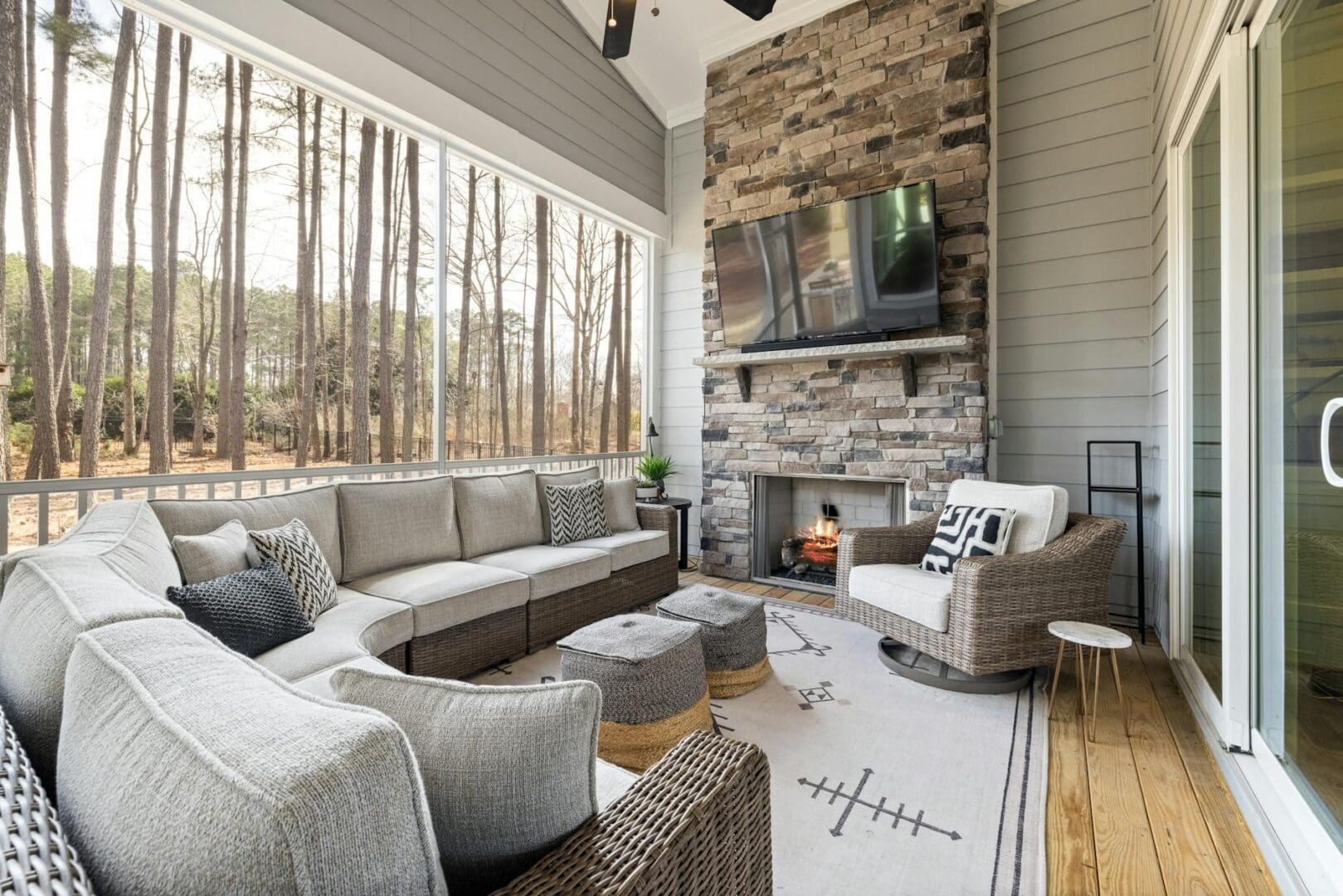
Under a seating arrangement, the rug should be large enough that all furniture front legs rest on it—this anchors the space and prevents wobbly chairs. A 5×7 or 6×9 works for small conversation areas, while 8×10 or 9×12 sizes suit larger sectionals and full outdoor living rooms.
For narrow spaces like balconies or hallways, runners (typically 2-3 feet wide) define the path without overwhelming the area. Measure your space before shopping, and remember that outdoor areas generally feel more expansive, so you can often go larger than you’d initially think.
Style, Pattern, and Color Considerations
Indoor outdoor rugs have come a long way from basic striped designs. You’ll now find intricate medallions, geometric patterns, botanical prints, and solid colors that rival interior rugs in style.
Lighter colors and busy patterns hide dirt and pollen better than dark solids—something to consider if you’re in a dusty area or have pets. That said, dark rugs can create dramatic contrast on light-colored decking.
Think about your existing outdoor furniture and architectural elements. Coastal homes pair beautifully with blues, aquas, and sandy neutrals. Modern spaces shine with bold geometrics in black and white or vivid colors. Traditional settings welcome classic medallion patterns in terra cotta, navy, or green.
Flat-weave rugs are easiest to clean (just hose them off), while low-pile options add slight cushioning. Avoid high-pile rugs outdoors—they trap moisture and debris.
Practical Features That Matter
UV resistance is non-negotiable if your rug sees direct sunlight. Solution-dyed fibers (where color is added during manufacturing, not applied afterward) maintain their vibrancy much longer than surface-dyed options.
Look for rugs specifically labeled as mold and mildew resistant. Quick-drying construction with drainage holes or mesh backing prevents water pooling underneath, which leads to odors and deterioration.
A non-slip backing or separate rug pad is essential for safety, especially on smooth surfaces like tile or composite decking. Many indoor outdoor rugs come with built-in grip, but if yours doesn’t, invest in an outdoor rug pad—they’re worth the $30-$80.
Consider how you’ll clean it. Most can be hosed down and scrubbed with mild soap, but check the care instructions. Some are even machine washable, though those are typically smaller accent sizes.
Choosing an indoor outdoor rug doesn’t have to be complicated. Focus on durable materials suited to your exposure level, size it generously for your furniture layout, pick a pattern that complements your style while hiding everyday wear, and prioritize practical features like UV resistance and drainage. The right rug transforms a bare outdoor space into a true extension of your home—one you’ll actually want to spend time in.
You’ve found the perfect outdoor rug to tie your patio together, but three months later it’s faded, mildewed, or falling apart. Sound familiar? The material makes all the difference when it comes to outdoor rugs that actually last. Unlike indoor rugs that live cushy lives away from the elements, your outdoor rug needs to handle […]
There’s something magical about gathering around a fire pit on a cool evening, but before you start shopping or striking that first match, you need to make sure you’re setting it up safely. A poorly placed fire pit isn’t just a fire hazard—it can damage your property, annoy neighbors, and even violate local codes. Let’s […]
There’s something magical about gathering around a fire with friends and family, drinks in hand, conversation flowing easily into the evening. A fire pit table takes that experience and makes it even better—giving everyone a place to set down their glass, rest a plate of appetizers, or lean in comfortably as the night gets cooler. […]