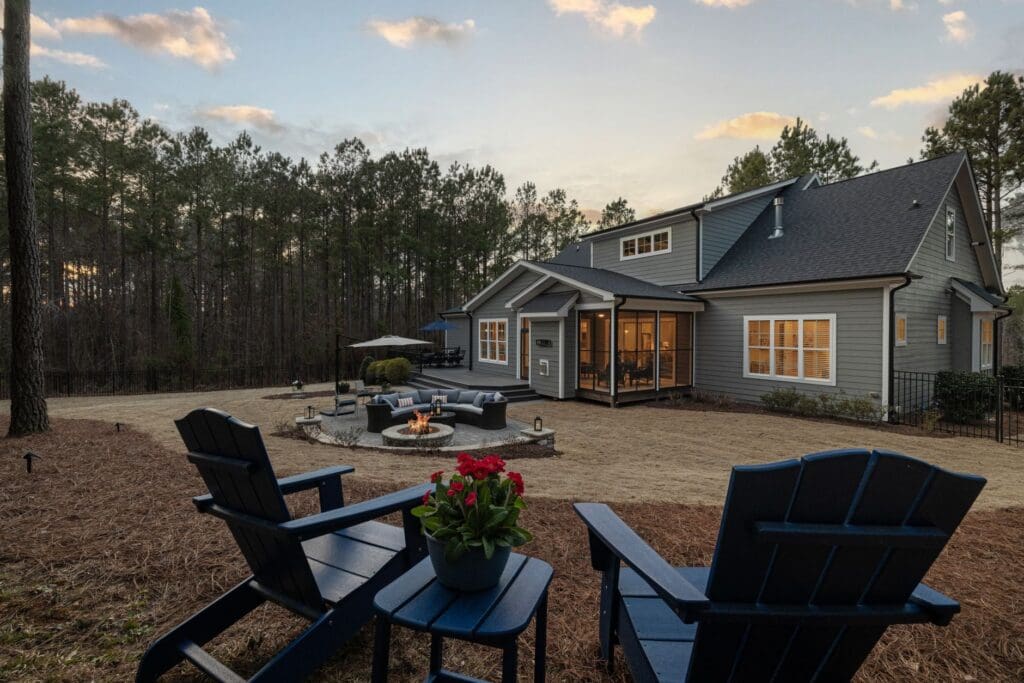
Your backyard has so much potential after dark, but without the right lighting, it becomes off-limits once the sun sets. Good outdoor lighting does double duty: it makes your space usable and inviting while ensuring everyone can navigate safely from the driveway to the front door or across the patio without stumbling. Whether you’re looking to create a cozy evening retreat or simply illuminate dark corners, the right combination of fixtures can completely transform how you use your outdoor spaces.
Layer Your Lighting for Function and Mood
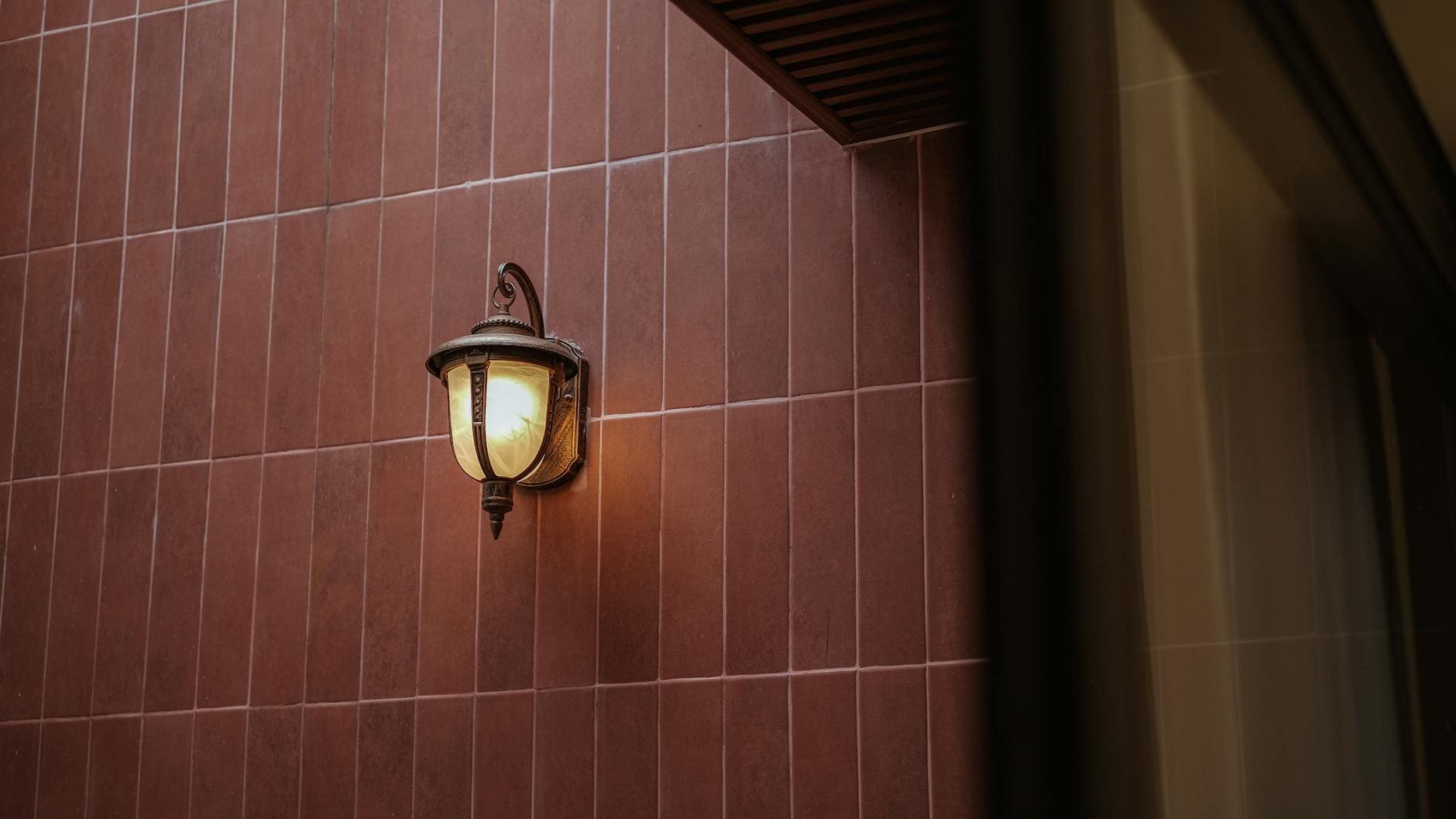
Just like indoor spaces, outdoor areas benefit from layered lighting that combines ambient, task, and accent sources. Start with ambient lighting that provides overall illumination—think post lights along pathways or wall-mounted lanterns flanking your garage. These typically range from $40-$150 per fixture for basic models, with designer options reaching $300 or more.
Task lighting handles the practical stuff. This includes brighter fixtures near entryways, over outdoor kitchens, or illuminating stairs and level changes where someone could trip. Look for fixtures with at least 700-1000 lumens for these high-traffic areas. Motion-sensor lights work particularly well here, typically running $30-$100 depending on features.
Accent lighting is where you get to have fun. String lights, uplighting on trees, lanterns on tables, and low-voltage landscape lights create that magical ambiance everyone wants. Budget string lights start around $20-$40 for a 25-foot strand, while higher-end bistro lights with Edison bulbs or commercial-grade construction run $100-$200.
Choose the Right Fixtures for Each Zone
Different areas of your outdoor space have different needs. For pathways and walkways, low-voltage LED path lights are your best friend. Space them about 6-8 feet apart along both sides of a path for clear visibility. These usually come in sets of 6-8 fixtures for $80-$200, with solar options at the lower end and hardwired LED systems at the higher end.
Entryways deserve substantial fixtures that announce your home’s style. Wall sconces should be mounted at about 5.5-6 feet high, and if you’re flanking a door, size them proportionally—the combined width of both fixtures should equal roughly one-third of your door’s width. Expect to spend $60-$400 per sconce depending on materials and design complexity.
For patios and decks, overhead string lights create instant atmosphere. Hang them in parallel lines, zigzag patterns, or a canopy effect depending on your mounting points. Pair these with dimmable table lamps or rechargeable LED lanterns (around $30-$80 each) that you can move around as needed. Pendant lights over dining areas provide focused light where you need it most, typically running $100-$400 for outdoor-rated versions.
Consider Power Sources and Smart Features
Solar lights have come a long way and work well for accent and pathway lighting, especially in sunny locations. They’re easy to install with no wiring required, though they’re dependent on adequate sun exposure and typically provide softer light. Expect to replace batteries every 1-2 years.
Low-voltage systems (12V) offer brighter, more reliable light and are relatively safe and easy to install yourself. You’ll need a transformer ($50-$200) but can then run lights throughout your yard. These are ideal for landscape lighting and path lights.
Hardwired 120V fixtures provide the brightest, most powerful light and are essential for security lighting and main entry fixtures. These require an electrician unless you’re very handy, adding $100-$300 per fixture location in installation costs.
Smart outdoor lighting lets you control everything from your phone, set schedules, and integrate with home security systems. Smart bulbs for existing fixtures start around $15-$30 each, while complete smart fixtures range from $80-$300. Being able to turn on all your exterior lights from bed or while you’re away adds both convenience and security.
Weatherproofing and Maintenance Matter
Always check that outdoor fixtures are rated for wet or damp locations depending on exposure. Look for fixtures with a UL rating and appropriate IP (Ingress Protection) rating—IP65 or higher for exposed areas. Coastal areas need corrosion-resistant finishes like powder-coated aluminum, stainless steel, or brass rather than basic painted steel.
LED bulbs are worth the investment outdoors. They last 15-25 times longer than incandescent bulbs, use a fraction of the energy, and aren’t affected by cold temperatures. A quality LED bulb costs $8-$20 but pays for itself in longevity and energy savings.
Your outdoor lighting should work as hard as you do to make your home welcoming and safe. Start with the essentials—well-lit pathways and entries—then add layers of ambiance where you actually spend time. The right combination of functional and decorative lighting extends your living space well into the evening hours while giving you peace of mind that everyone can move around safely.
There’s something wonderfully ironic about the Adirondack chair’s origin story. Back in 1903, Thomas Lee was vacationing in Westport, New York, frustrated by the lack of comfortable outdoor seating that could handle the sloped terrain of his property. So he built a wide-backed, slatted chair with a reclined seat—and accidentally created an icon. Today, you’ll […]
Nothing pulls together a patio quite like an outdoor rug—it defines your seating area, adds comfort underfoot, and makes the whole space feel more intentional. But get the size wrong, and it can look like a bath mat floating in the middle of your deck or a carpet that swallows your furniture whole. The good […]
You’ve found the perfect outdoor rug to tie your patio together, but three months later it’s faded, mildewed, or falling apart. Sound familiar? The material makes all the difference when it comes to outdoor rugs that actually last. Unlike indoor rugs that live cushy lives away from the elements, your outdoor rug needs to handle […]