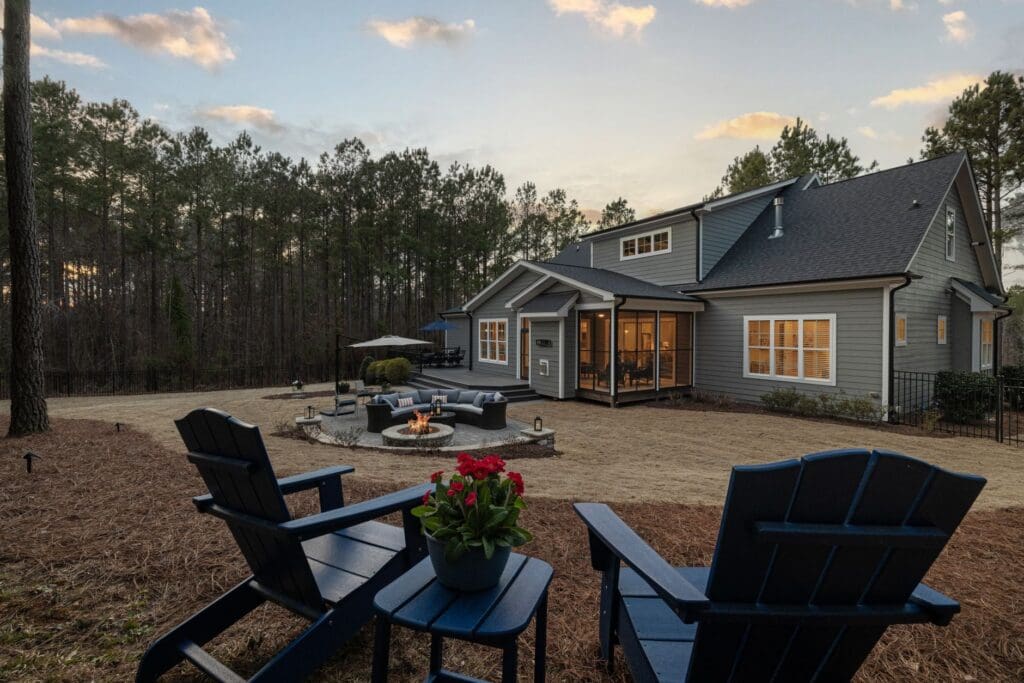
There’s something magical about gathering around a fire pit on a cool evening—it transforms your backyard into an actual destination. But walk into any outdoor furniture section or scroll through options online, and you’ll quickly realize there are a lot of choices. Wood-burning or gas? Steel or stone? Built-in or portable? Let’s break down what actually matters so you can find a fire pit that fits your space, budget, and how you actually want to use it.
Wood-Burning vs. Gas: Which Fuel Type Is Right for You?
This is your first big decision, and it really comes down to atmosphere versus convenience.
Wood-burning fire pits deliver that classic campfire experience—crackling sounds, woodsmoke smell, and the ritual of tending the fire. They’re typically more affordable, ranging from $150 for basic steel bowls to $800+ for decorative cast iron or copper designs. The tradeoff? You’ll need to store firewood, deal with smoke (which can be annoying depending on wind direction), and clean out ash regularly. They’re also restricted in some municipalities, so check your local regulations before buying.
Gas fire pits run on propane tanks or natural gas lines and offer instant-on convenience with adjustable flames. You get ambiance without smoke or flying embers, making them ideal for covered patios or smaller spaces. Expect to pay $300-$600 for quality propane models, while natural gas versions (which require professional installation) start around $500 and can exceed $2,000 for high-end designs. The ongoing cost of propane refills is something to factor in, though many find the convenience worth it.
Size and Placement Considerations
The right fire pit size depends on your available space and how many people you typically entertain. A good rule of thumb: you want at least 7 feet of clearance around the fire pit for safety and comfortable seating.
For cozy patios or decks (with proper heat-resistant pads), compact fire pits measuring 24-30 inches in diameter work beautifully for 2-4 people. Mid-size options around 36-40 inches suit most backyards and accommodate 6-8 chairs comfortably. Large fire pits of 48 inches or more are statement pieces for spacious yards and bigger gatherings, but they can overwhelm modest spaces.
Portable fire pits offer flexibility—you can move them for parties, take them camping, or store them during winter. Built-in or heavier models (stone, concrete, or large cast iron pieces) become permanent fixtures, so be confident about placement before purchasing.
Material Matters: Durability and Style
The material affects both longevity and aesthetics, with clear tradeoffs at different price points.
Steel fire pits are the budget-friendly option ($150-$400), lightweight and available in countless designs. Look for powder-coated or heat-resistant painted finishes to minimize rust. Without proper care and covers, though, most steel pits show wear within a few years.
Cast iron offers better heat retention and a more substantial feel ($300-$800), with many featuring beautiful decorative patterns. They’re heavy—which means stable but not portable—and require maintenance to prevent rust.
Copper and stainless steel bring modern sophistication to outdoor spaces ($500-$1,500+). Copper develops a natural patina over time that many find appealing, while stainless steel resists corrosion exceptionally well with minimal upkeep.
Stone, concrete, and ceramic fire pits ($400-$2,000+) provide excellent durability and heat resistance. These materials work especially well for gas models with decorative fire glass or lava rocks. They’re heavy and weather-resistant but can crack in extreme freeze-thaw cycles without proper drainage.
Features and Extras Worth Considering
Once you’ve narrowed down fuel type, size, and material, look at these practical features:
Spark screens and covers: Essential for wood-burning pits to contain embers and protect the bowl when not in use
Adjustable flame controls: Standard on gas models, letting you dial the ambiance up or down
Built-in tables or ledges: Surprisingly useful for setting down drinks or s’more supplies
Conversion kits: Some fire pits include grates for grilling or can switch between wood and gas
Drainage holes: Prevents water accumulation in wood-burning bowls
The right fire pit turns your outdoor space into a gathering spot you’ll actually use, not just admire. Think about your typical evening—do you want the hands-on experience of building a wood fire, or would you rather flip a switch and relax? How much space do you have, and how permanent do you want this addition to be? Once you’re clear on those details, you’ll find options that check your boxes without stretching your budget further than necessary.
There’s something wonderfully ironic about the Adirondack chair’s origin story. Back in 1903, Thomas Lee was vacationing in Westport, New York, frustrated by the lack of comfortable outdoor seating that could handle the sloped terrain of his property. So he built a wide-backed, slatted chair with a reclined seat—and accidentally created an icon. Today, you’ll […]
You’ve found the perfect outdoor rug to tie your patio together, but three months later it’s faded, mildewed, or falling apart. Sound familiar? The material makes all the difference when it comes to outdoor rugs that actually last. Unlike indoor rugs that live cushy lives away from the elements, your outdoor rug needs to handle […]
Nothing transforms a patio or deck quite like an outdoor rug—until six months later when it’s a sun-bleached shadow of its former self. If you’ve been burned by a faded outdoor rug before, you’re not alone. The good news? Some outdoor rugs actually live up to their promises, staying vibrant through multiple seasons of sun, […]