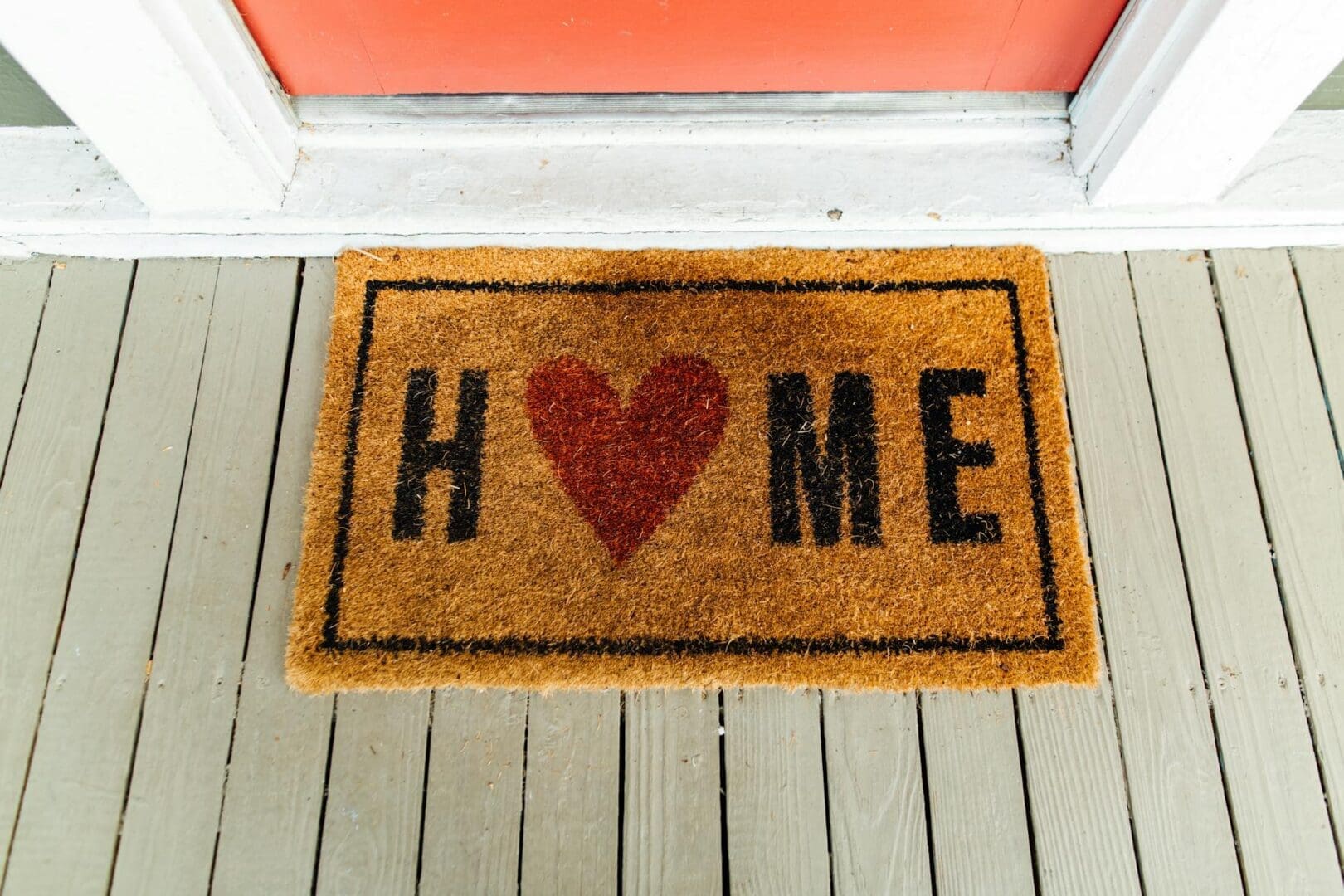
Your doormat is the hardest-working piece of your entryway, catching dirt, moisture, and debris before it gets tracked through your home. But with so many options—from basic rubber mats to luxurious woven fibers—how do you know which one actually fits your needs? The right doormat balances function with style, stands up to your climate, and fits your space perfectly. Let’s walk through what matters most.
Indoor vs. Outdoor: Know Where Your Mat Will Live
The first decision shapes everything else: is this mat going outside your door, inside, or both? Outdoor doormats face rain, snow, UV rays, and constant foot traffic, so they need weather-resistant materials like rubber, coir (coconut fiber), or polypropylene. These materials shed water, resist mold, and won’t fade in sunlight. Coir mats are particularly effective scrubbers, with stiff fibers that catch dirt and mud.
Indoor mats have more flexibility. You can choose softer materials like cotton, microfiber, or low-pile synthetic blends that feel pleasant underfoot and complement your interior decor. Many homeowners use a two-mat system: a heavy-duty scraper outside and a more attractive, absorbent mat inside. This combo maximizes dirt-trapping while protecting your floors.
If you’re in an apartment with a covered hallway, you’re technically “outdoor” in terms of material needs, even though it feels indoor. Choose accordingly based on exposure to the elements, not just aesthetics.
Size and Placement: Getting the Proportions Right
A doormat that’s too small looks awkward and fails to catch dirt effectively. Your mat should span at least 80% of your door’s width—so for a standard 36-inch door, you’re looking at roughly 24 to 30 inches wide minimum. Length matters too; aim for 18 to 24 inches deep to give people adequate space to wipe their feet.
For double doors or wide entryways, consider mats in the 24×36-inch or 30×48-inch range. Oversized mats (3×5 feet or larger) work beautifully for spacious covered porches or mudrooms where you want to create a defined landing zone.
Check the mat’s thickness as well. Low-profile mats (under half an inch) work better for doors that swing inward, preventing the door from catching. Thicker mats provide more cushioning but need clearance.
Material Matters: Matching Function to Your Climate
Different materials excel in different conditions. Coir remains the outdoor favorite for good reason—it’s incredibly durable, scrapes shoes effectively, and handles moisture without getting soggy. Expect to pay $20-40 for a quality coir mat that lasts 2-3 years with proper care.
Rubber and synthetic mats ($15-50) resist everything and clean easily with a hose, making them ideal for rainy climates or snowy regions where salt and slush are constant challenges. Look for mats with drainage holes or raised patterns that keep the surface functional even when wet.
For indoor mats, microfiber and cotton blends ($25-70) absorb moisture beautifully and come in countless colors and patterns. Machine-washable options are worth the premium if you have kids or pets—being able to toss it in the wash every few weeks keeps things fresh.
Waterhog-style mats ($40-100+) bridge indoor and outdoor use with rubber backing and polypropylene surfaces that trap remarkable amounts of water and dirt. They’re investment pieces that pay off in high-traffic homes.
Style Without Sacrificing Performance
Your doormat sets the tone for your home, so don’t settle for boring if you don’t want to. Personalized coir mats with family names or welcoming messages add character while still scraping shoes effectively. Geometric patterns, seasonal designs, and color-blocked options let you express your style.
That said, busy patterns hide dirt better than solid colors—something to consider if you won’t be cleaning the mat frequently. Darker colors like charcoal, navy, or brown are practical choices that don’t show every footprint.
For a cohesive look, consider how your doormat relates to your front door color, house numbers, and any nearby planters or lighting. It’s a small detail that contributes to overall curb appeal.
The perfect doormat handles whatever your household throws at it while welcoming guests with a bit of personality. Measure your space, think honestly about your climate and cleaning habits, and choose materials that match your lifestyle. Whether you spend $20 or $80, the right mat keeps your home cleaner and your entryway looking intentional.
A cramped entryway with shoes scattered everywhere isn’t just frustrating—it’s usually the first thing you and your guests see when walking through the door. The good news? Even the smallest entryway can stay organized with the right shoe rack. The challenge is finding one that actually fits your space without making it feel even more […]
That pile of shoes by the door isn’t going to organize itself, and your coats deserve better than being draped over the nearest chair. A coat rack with built-in shoe storage solves both problems in one piece of furniture, making it perfect for entryways, mudrooms, or even bedroom corners where clutter tends to accumulate. The […]
A cramped entryway doesn’t mean you’re doomed to trip over piles of coats or hunt for misplaced keys every morning. The right coat rack can transform even the tiniest entry into an organized, welcoming space. The challenge is finding one that holds what you need without making your small entryway feel even smaller. Consider Your […]