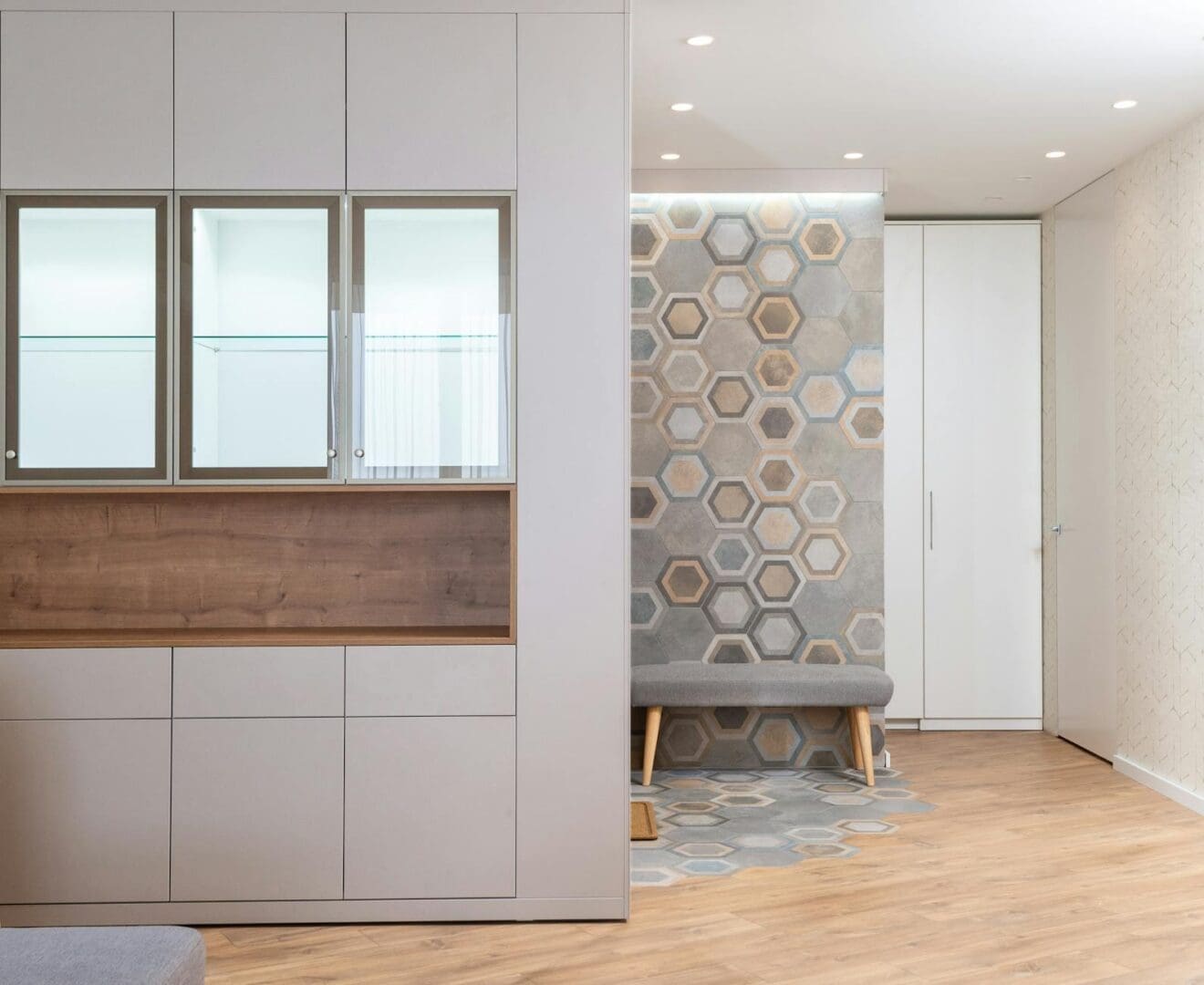
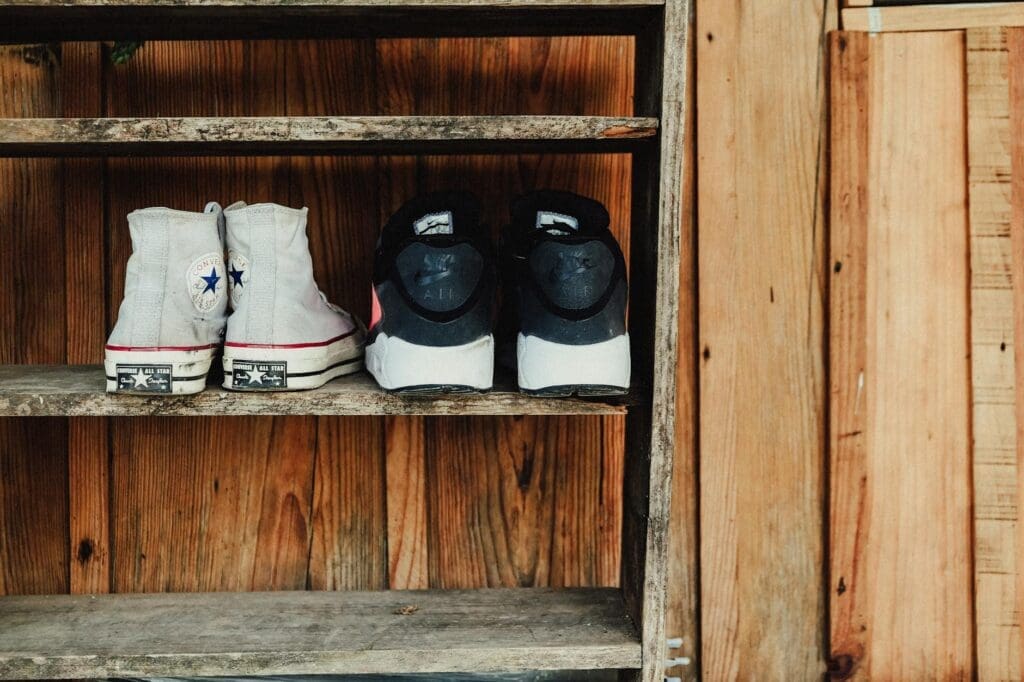
If you’ve ever tripped over a leash while juggling grocery bags or spent ten minutes searching for the dog towel after a rainy walk, you know the struggle. Your entryway takes a beating when you have a dog, but it doesn’t have to be chaotic or ugly. With the right furniture and layout, you can create a space that handles muddy paws, wet fur, and all the gear that comes with dog ownership—while still looking like a put-together home.
Choose Furniture That Can Take a Beating
The foundation of a dog-friendly entryway is durable furniture that won’t show every scratch or nose print. Skip delicate console tables with thin legs that could topple when your dog brushes past, and look for sturdy benches or storage pieces with solid construction.
A storage bench is your best friend here—literally. Look for ones with enclosed compartments underneath where you can stash leashes, poop bags, grooming supplies, and that collection of tennis balls. Benches with lift-top seats work great for hiding clutter, while cubbies give you quick access to daily essentials. Budget options in laminate or composite wood start around $100-150, while solid wood benches with better joinery run $300-600. If you want something that’ll last decades, consider hardwood pieces with reinforced corners in the $600-1,000 range.
For the bench top itself, avoid anything too cushiony that’ll absorb water and odors. Leather or faux leather wipes clean easily, as do wood seats with a good polyurethane finish. If you prefer fabric, choose performance upholstery designed for high-traffic areas—the same stuff that handles kids and spills works perfectly for dogs.
Pick Materials Your Dog Can’t Destroy
Material choice makes or breaks a dog-friendly entryway. Wood furniture should have a durable finish—not just stain, but a proper topcoat. Painted finishes in satin or semi-gloss clean easier than matte, and darker colors or distressed finishes hide inevitable wear better than pristine white or light wood.
Metal hooks and hardware hold up better than plastic ones when you’re hanging heavy leashes or your dog decides to jump up. Wall-mounted coat racks need to go into studs, not just drywall, especially if you have a larger dog who might pull on their leash.
For rugs, this is where you want washable options or natural fibers like jute and sisal that don’t show dirt as readily. Indoor-outdoor rugs made from polypropylene are practically indestructible and can handle wet paws without growing mildew. They’re not the softest underfoot, but they’ll outlast everything else. Expect to spend $50-150 for quality washable rugs in entryway sizes, or $100-300 for natural fiber options that develop a nice patina over time.
Smart Storage Solutions for Dog Gear
The secret to a functional dog-friendly entryway is having a designated spot for everything. Wall-mounted hooks at your height work for leashes and your coat, but add a lower row of hooks or a peg rail where you can hang towels specifically for drying off paws and fur. Keep these separate from your regular towels—trust me on this one.
A small basket or bin near the door should hold your rotation of poop bags, a spare collar, and maybe some training treats. If you’ve got the space, a narrow cabinet or tall storage unit can hold the bulk supplies, grooming tools, and seasonal dog gear like booties or cooling vests. Look for pieces around 12-18 inches deep so they don’t eat up your entryway space.
Some dog owners swear by adding a small tension rod inside a cabinet or on the back of a door to hang damp leashes until they dry. It’s one of those simple tricks that makes daily life so much easier.
Consider a Dedicated Dog Station
If your entryway has the room, setting up a small dog station keeps everything contained. This might be as simple as a low tray or boot tray where your dog knows to wait after walks while you wipe their paws. Rubber or metal trays with raised edges contain water and dirt—you can find decent ones for $20-40.
Some larger entryways can accommodate a small cabinet or drawer unit designated entirely for dog supplies. This works especially well if you have multiple dogs or do a lot of outdoor activities together. Having everything in one spot means you’re not hunting through the house for the nail clippers or that special shampoo.
The goal is creating a routine and a space that supports it. When your dog knows where they’re supposed to go after a walk, and you know exactly where everything is, those transitions from outside to inside become so much smoother. You’ll spend less time cleaning and more time actually enjoying your home—and your pup.
A cramped entryway with shoes scattered everywhere isn’t just frustrating—it’s usually the first thing you and your guests see when walking through the door. The good news? Even the smallest entryway can stay organized with the right shoe rack. The challenge is finding one that actually fits your space without making it feel even more […]
That pile of shoes by the door isn’t going to organize itself, and your coats deserve better than being draped over the nearest chair. A coat rack with built-in shoe storage solves both problems in one piece of furniture, making it perfect for entryways, mudrooms, or even bedroom corners where clutter tends to accumulate. The […]
A cramped entryway doesn’t mean you’re doomed to trip over piles of coats or hunt for misplaced keys every morning. The right coat rack can transform even the tiniest entry into an organized, welcoming space. The challenge is finding one that holds what you need without making your small entryway feel even smaller. Consider Your […]