Whether you’re working from home full-time or finally carving out a dedicated space for creative projects, your desk setup matters more than you might think. A thoughtfully arranged workspace doesn’t just look better in video calls—it actually affects how you feel and perform every day. The good news? This year’s desk trends blend form and function in ways that make practical sense, without requiring a complete overhaul of your space.
The Return of Warm, Natural Materials
Cold, industrial desk setups are giving way to warmer, more inviting workspaces. Think walnut and oak desktops, rattan desk accessories, and wooden monitor stands instead of all-plastic everything. This shift isn’t just aesthetic—natural materials tend to age better and feel more comfortable to work around for hours at a time.
Look for desks with solid wood or wood veneer tops in medium to dark tones. These typically start around $300 for budget-friendly options and climb to $800-$1,200 for quality pieces that’ll last decades. Pair them with natural fiber desk pads, wooden pencil holders, and bamboo organizers. The cumulative effect creates a workspace that feels less like a tech lab and more like a place you actually want to spend time.
Ergonomic Upgrades That Don’t Compromise Style
Ergonomics used to mean sacrificing aesthetics, but not anymore. The latest ergonomic desk accessories come in finishes and designs that complement modern interiors rather than clash with them.
Consider these practical upgrades:
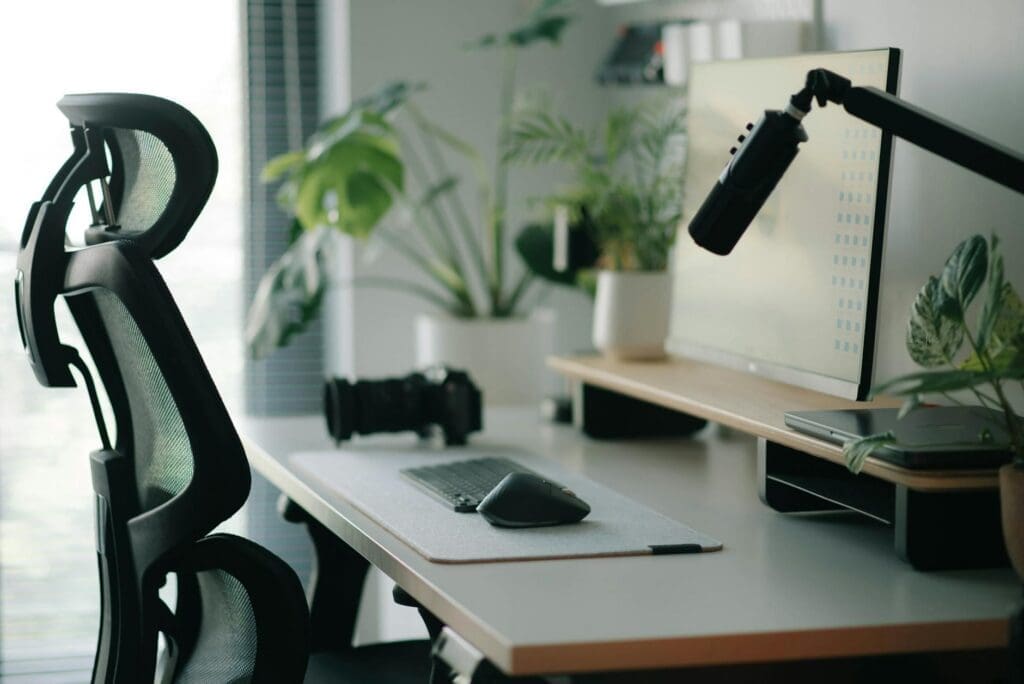
Monitor arms that free up desk space and position screens at proper eye level (look for gas spring models in matte black or white finishes, $80-$200)
Ergonomic desk mats with subtle wrist support built into leather or fabric surfaces ($40-$100)
Adjustable laptop stands in aluminum that match your device’s finish ($30-$80)
Sit-stand desk converters for existing desks, or full electric standing desks if you’re starting fresh ($300-$1,000 depending on size and features)
The key is choosing ergonomic pieces in neutral materials and finishes that blend with your overall setup rather than standing out as medical equipment.
Intentional Cable Management and Minimal Tech Clutter
This trend is less about adding something new and more about thoughtfully editing what’s already there. Clean desk setups with hidden cables create a calmer visual environment—which genuinely helps with focus and stress levels.
Start with under-desk cable trays ($15-$40) that route power strips and excess cord length out of sight. Adhesive cable clips keep individual cords neat along desk edges and legs. For a more integrated look, desks with built-in cable management channels and grommets are worth the investment, typically adding $100-$200 to the desk price.
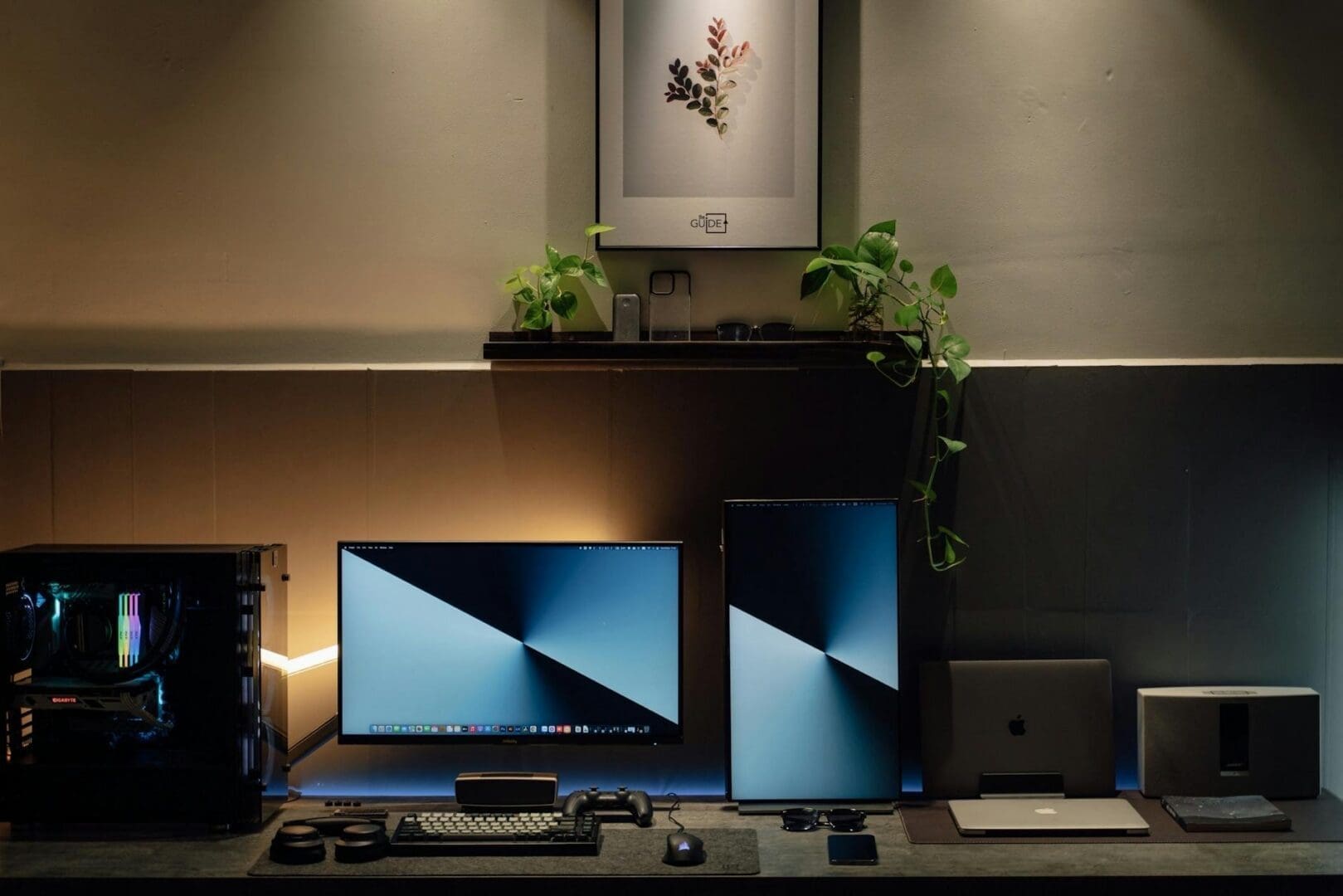
Many people are also consolidating devices—using a single ultrawide monitor instead of two or three screens, or opting for wireless keyboards and mice to eliminate cable clutter entirely. The result is a workspace that photographs well but, more importantly, provides fewer visual distractions throughout your day.
Personalization Through Functional Decor
The sterile, minimalist desk is evolving into something more personal. This year’s approach balances clean lines with intentional touches that reflect who you are—within reason. A small plant, a favorite book standing upright as a visual anchor, or a quality desk lamp that doubles as a design piece.
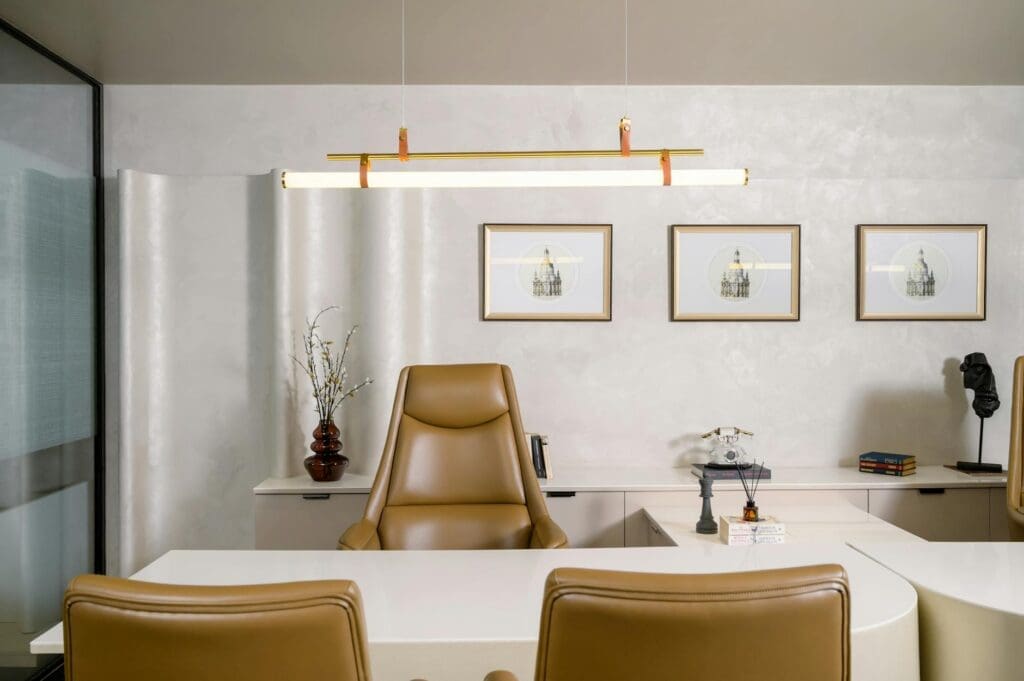
Desk lamps deserve special attention. LED task lighting with adjustable color temperature ($60-$200) lets you shift from energizing cool light during work hours to warmer tones in the evening. Look for designs in brass, matte black, or natural wood that complement your desk materials.
Small planters with low-maintenance greenery like pothos or snake plants add life without demanding constant attention. Desktop organizers in matching materials—whether that’s metal mesh, wood, or ceramic—keep essentials within reach while maintaining visual cohesion.
The trends pointing toward warmer materials, thoughtful ergonomics, and personalized-but-uncluttered setups all share something in common: they’re designed for real, daily use rather than just looking good in photos. Start with one or two changes that address your biggest pain points—whether that’s back strain from poor posture or visual chaos from tangled cables—and build from there. Your workspace should support the work you actually do, in a setting that makes those long hours feel a little less taxing.
Your home office deserves better than a jumble of mismatched shelves and that filing cabinet you’ve been meaning to replace. A storage wall unit can transform your workspace from chaotic to composed, giving you dedicated spots for books, supplies, tech equipment, and all those things that currently live in piles. The trick is finding one […]
Your back is telling you it’s time. After months of working from home in a dining chair or that hand-me-down seat from college, you’re ready to invest in a proper office chair. The good news? You don’t need to spend $800 on a Herman Miller to get real ergonomic support. The under-$300 market is packed […]
If you’re spending hours at your desk every day, your office chair matters more than you might think. The two most popular materials—mesh and leather—each have devoted fans, but they deliver very different sitting experiences. Let’s break down what actually matters so you can choose the one that fits your workday, your space, and your […]