There’s something magical about outdoor string lights—they turn an ordinary patio into a destination and make every evening feel like a celebration. But walk down any home improvement aisle or scroll through online options, and you’ll quickly realize there are hundreds of choices. LED or incandescent? Globe bulbs or Edison-style? Solar or plug-in? Let’s break down what actually matters so you can find lights that’ll work beautifully in your space.
Bulb Type and Style: Setting the Right Mood
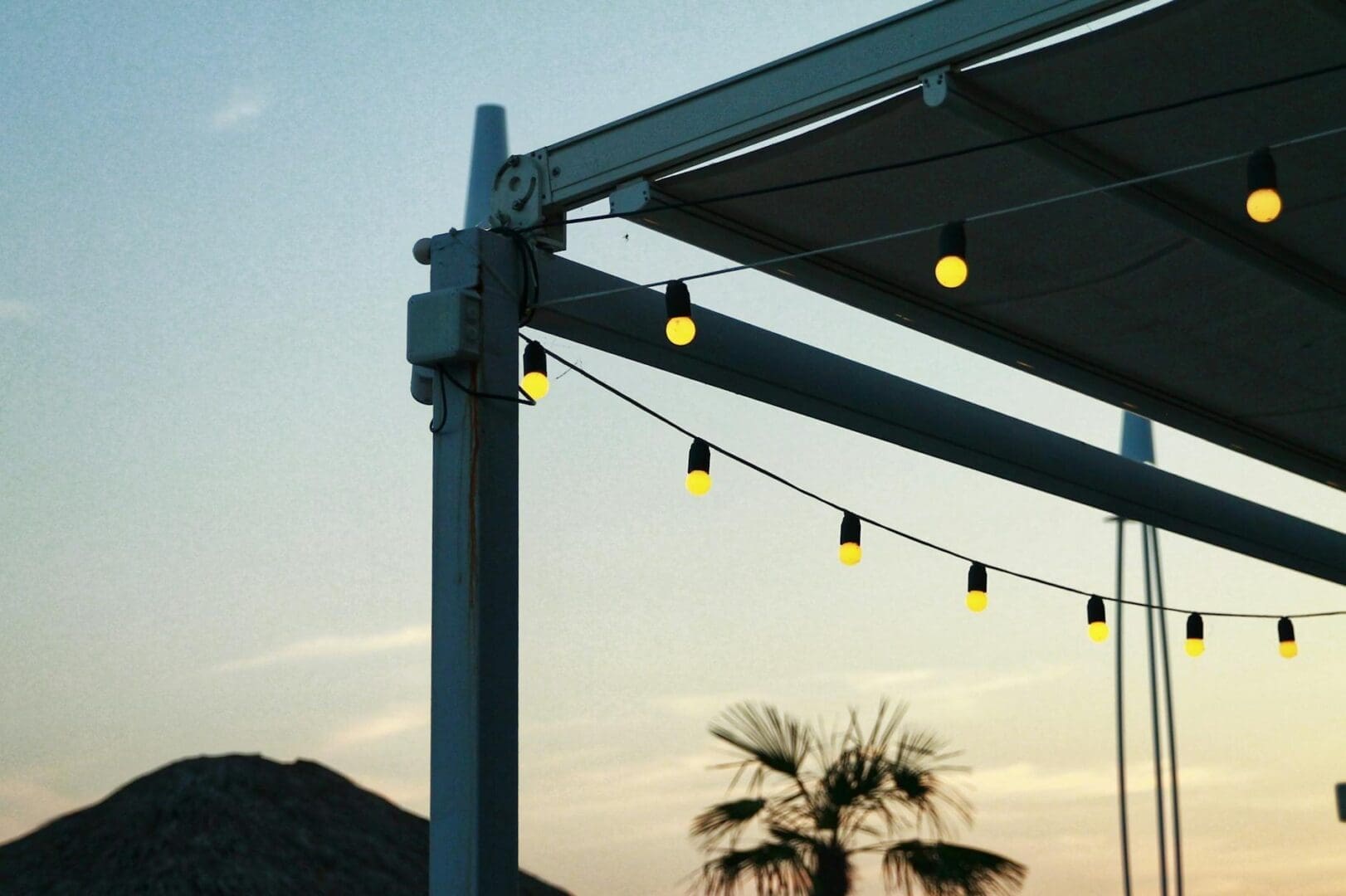
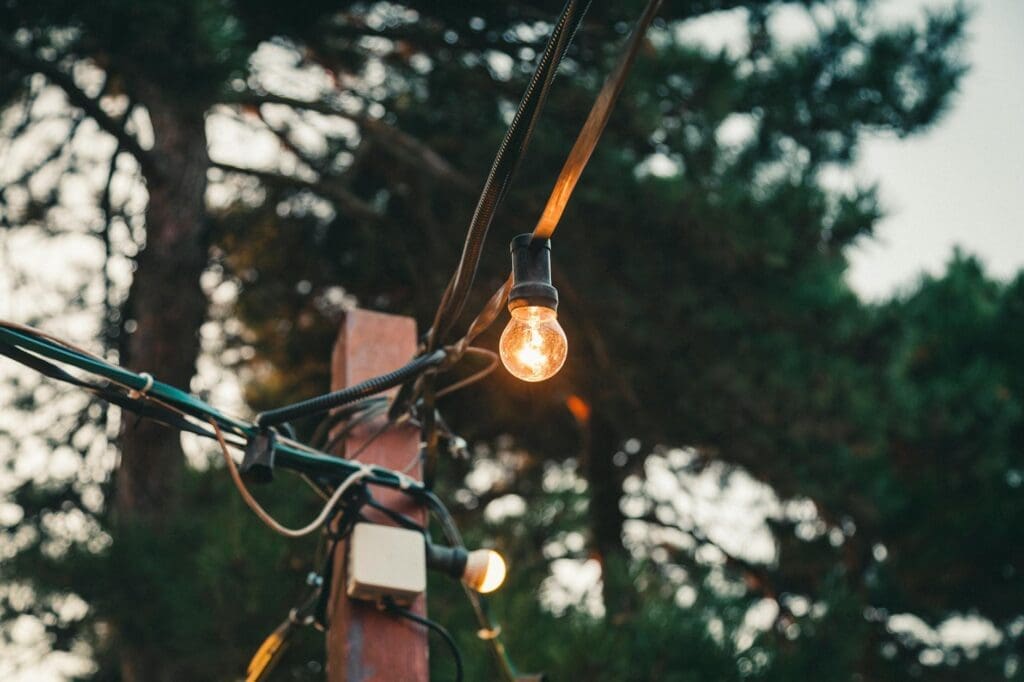
Your bulb choice sets the entire vibe for your outdoor space. Globe bulbs (those round, frosted ones) give off soft, diffused light that’s perfect for dining areas—they’re bright enough to see your food but gentle enough to feel romantic. Edison bulbs with visible filaments create that vintage café look everyone loves, though they tend to cast more dramatic shadows. Mini bulbs on green or white wire offer a more subtle, fairy-light effect that works beautifully wrapped around trees or railings.
For technology, LED bulbs win on almost every front. They use 75% less energy than incandescent, last 15-25 times longer, and stay cool to the touch. Yes, they cost more upfront—expect to pay $30-80 for a quality LED string compared to $15-30 for incandescent—but you’ll replace them far less often. The one trade-off: some people find LED light quality slightly cooler or harsher, though newer “warm white” LEDs have largely solved this issue.
Length, Spacing, and Coverage
Measure twice, order once. Seriously—nothing’s more frustrating than stringing lights only to come up 10 feet short. Measure the actual path where you want lights, add 20% for slack and swooping, then check if the strand length matches.
Bulb spacing matters more than you’d think. Lights spaced 12 inches apart create bright, party-ready illumination—great for task lighting over an outdoor kitchen or bar. Spacing of 18-24 inches feels more relaxed and romantic, perfect for lounge areas. Wider spacing (36 inches) gives you a subtle glow but won’t provide much functional light.
Most string lights come in 15, 25, or 50-foot strands. Here’s what works where:
Small balconies and pergolas: 15-25 feet usually covers the perimeter
Medium patios (10×12 or 12×14): 50-75 feet lets you create a canopy or zigzag pattern
Large yards and long fences: 100+ feet, often requiring multiple connected strands
Check how many strands can connect end-to-end—quality sets usually allow 3-5 connections, while cheaper ones may limit you to just 2.
Weather Resistance and Durability
Outdoor string lights need to handle whatever weather you throw at them. Look for a weatherproof rating—at minimum, you want lights rated for wet locations (not just “damp”), especially if they’ll be exposed to rain rather than protected under an eave.
The wire quality separates budget lights from ones that’ll last seasons. Commercial-grade lights use thicker 18-gauge wire with heavy-duty insulation, while consumer versions typically use 20 or 22-gauge wire. The heavier gauge costs more ($50-150 for a quality set) but resists wind damage and doesn’t tangle as easily. If you live somewhere with harsh winters, UV-resistant wire coating prevents that sad, cracked, faded look after a few years in the sun.
Socket construction matters too. Sealed sockets with gaskets keep moisture out and prevent corrosion. Cheap lights often have exposed sockets that’ll corrode within a season or two, especially in humid climates or coastal areas.
Power Source and Installation
Plug-in lights offer the brightest, most reliable option, but you need access to outdoor outlets (and possibly extension cords rated for outdoor use). Budget for a landscape timer ($15-40) so you don’t have to remember to turn them on each evening.
Solar string lights have improved dramatically—they’re legitimately viable now for ambient lighting. They work best in areas that get 6+ hours of direct sunlight and typically provide 4-8 hours of evening glow. Just know they’re dimmer than plug-in versions. Expect to pay $25-60 for decent solar lights; anything cheaper usually means disappointing brightness or batteries that die after one season.
Battery-operated lights offer flexibility for areas without power access, but regularly replacing batteries gets expensive and annoying. They’re best for temporary setups or areas you only light occasionally.
String lights transform outdoor spaces from functional to magical, and the right ones should last you years of summer evenings and backyard gatherings. Focus on LED technology for longevity, choose spacing that matches your intended use, invest in weather-resistant construction, and pick a power source that fits your space. Your outdoor room is waiting—those lights aren’t going to hang themselves.
There’s something wonderfully ironic about the Adirondack chair’s origin story. Back in 1903, Thomas Lee was vacationing in Westport, New York, frustrated by the lack of comfortable outdoor seating that could handle the sloped terrain of his property. So he built a wide-backed, slatted chair with a reclined seat—and accidentally created an icon. Today, you’ll […]
A dark backyard feels smaller, less usable, and honestly a bit uninviting once the sun goes down. Whether you’re trying to make your outdoor space safer, extend your entertaining hours, or simply discourage unwanted visitors, the right flood lights can completely transform how you use your yard after dark. The challenge is figuring out which […]
You’ve found the perfect outdoor rug to tie your patio together, but three months later it’s faded, mildewed, or falling apart. Sound familiar? The material makes all the difference when it comes to outdoor rugs that actually last. Unlike indoor rugs that live cushy lives away from the elements, your outdoor rug needs to handle […]