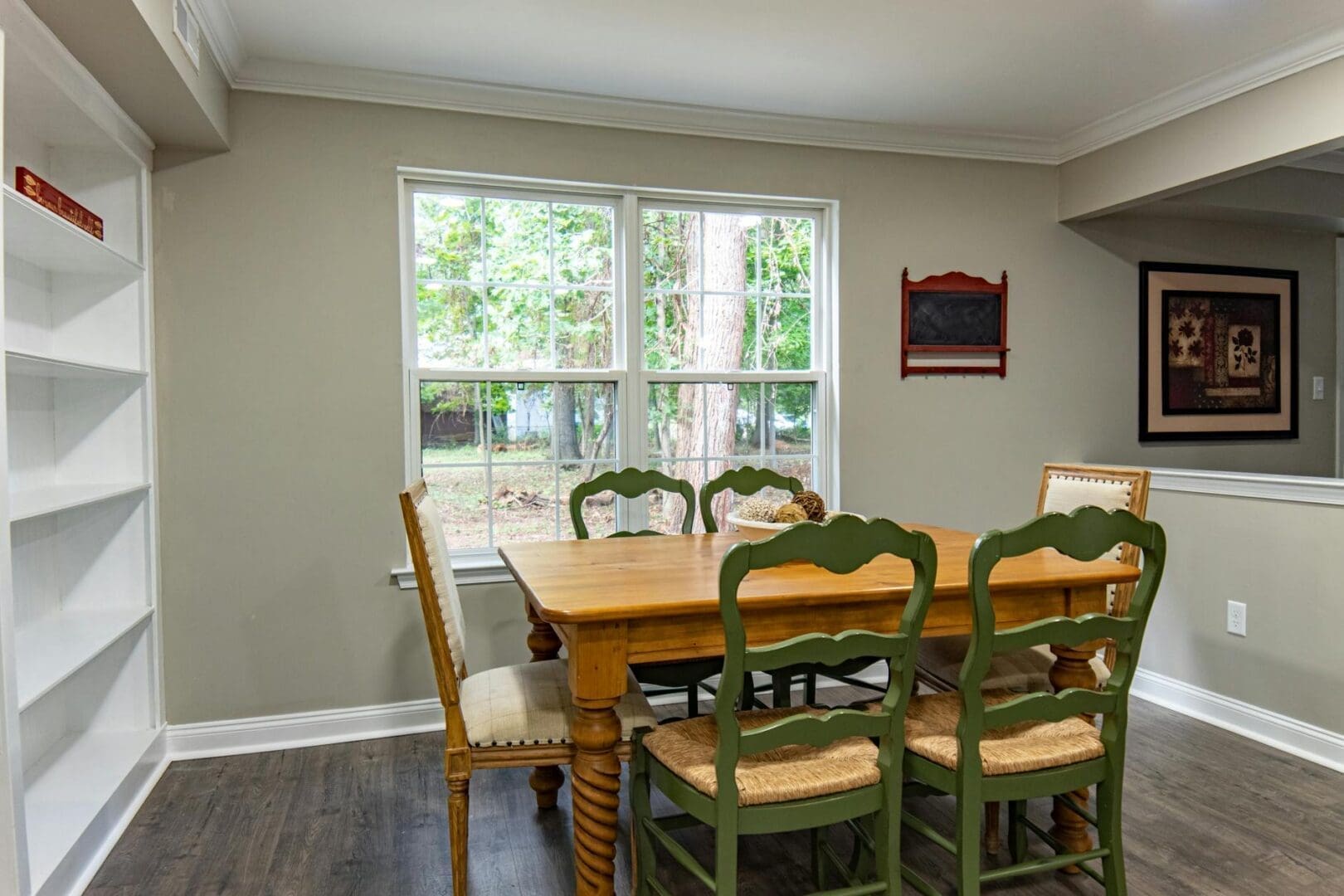
Open shelving in a dining room can be absolutely stunning—or it can look like a cluttered mess. The difference comes down to thoughtful styling. If you’ve installed open shelves and now find yourself staring at them wondering where to start, you’re not alone. The trick is balancing function with beauty, making sure your everyday dishes are accessible while creating a display that feels intentional and pulled together.
Start with Your Everyday Essentials
The best open shelving works hard while looking effortless. Begin by placing your most-used items at eye level and within easy reach. This typically means dinner plates, everyday glassware, and bowls you grab regularly. Stack plates in groups of 6-8 rather than towering piles—it looks neater and feels less precarious.
For a cohesive look, stick with one or two dishware colors on the same shelf. White and cream dishes create a classic, airy feel, while colorful ceramics add personality. If your everyday dishes are mismatched, consider investing in a new set as your foundation. You can find quality stoneware sets for $100-150, mid-range porcelain for $200-400, or splurge on handcrafted pottery at $400+.
Place stemware upside down if you use it frequently, or right-side up if it’s more decorative. Wine glasses and water goblets work well grouped by type on the upper shelves where they catch light beautifully.
Layer in Decorative Elements
Once your functional pieces are in place, it’s time to add visual interest. The key is the rule of thirds: roughly one-third functional items, one-third decorative objects, and one-third negative space. That breathing room is what keeps open shelving from looking cramped.
Small decorative objects work best between larger items. Consider adding:
Small potted herbs or trailing plants for a fresh, organic touch
Cookbooks stood upright or stacked horizontally as bookends
Ceramic vases or pitchers in varying heights
Small wooden cutting boards leaned against the back of the shelf
Brass candlesticks or sculptural objects that reflect your style
Vary the height and depth of items to create visual rhythm. Place taller pieces like pitchers or vases next to stacks of plates, and tuck smaller objects in front of larger ones for depth.
Create Balance Through Color and Texture
Your eye should move smoothly across the shelves without getting stuck in one spot. This happens when you distribute color and visual weight evenly. If you have a dark pottery piece on the left side, balance it with something similar in tone on the right—not necessarily the same item, but equal visual presence.
Texture matters just as much as color. Mix smooth ceramics with rough linen napkins, glossy glass with matte wood, or shiny metal with natural woven baskets. This variety keeps the display interesting without feeling chaotic.
Pay attention to the shelf backing too. If your shelves are against a painted wall, the backdrop becomes part of the display. Light-colored walls make colorful dishes pop, while darker walls create drama with white dishware. Some homeowners add wallpaper or painted backing boards for extra dimension.
Maintain and Refresh Your Display
Open shelving requires more maintenance than closed cabinets—that’s just reality. Dust settles on everything, so plan to wipe down items every week or two. Keep a small duster handy and make it part of your routine.
The beauty of open shelving is how easy it is to refresh seasonally. Swap in warmer tones and heavier ceramics for fall, or lighter glassware and fresh flowers for spring. You don’t need to overhaul everything—changing just 20% of your display keeps it feeling current.
If something isn’t working, move it. Open shelving should evolve as you live with it. That vintage bowl you thought would be perfect might throw off the whole balance, and that’s fine. The best displays develop over time as you figure out what truly works in your space.
Remember, styled open shelving should make your dining room feel more inviting, not like a museum. Choose pieces you actually use and love, arrange them with intention, and don’t be afraid to leave some space empty. Your shelves will feel collected rather than decorated, and that’s exactly the look you’re going for.
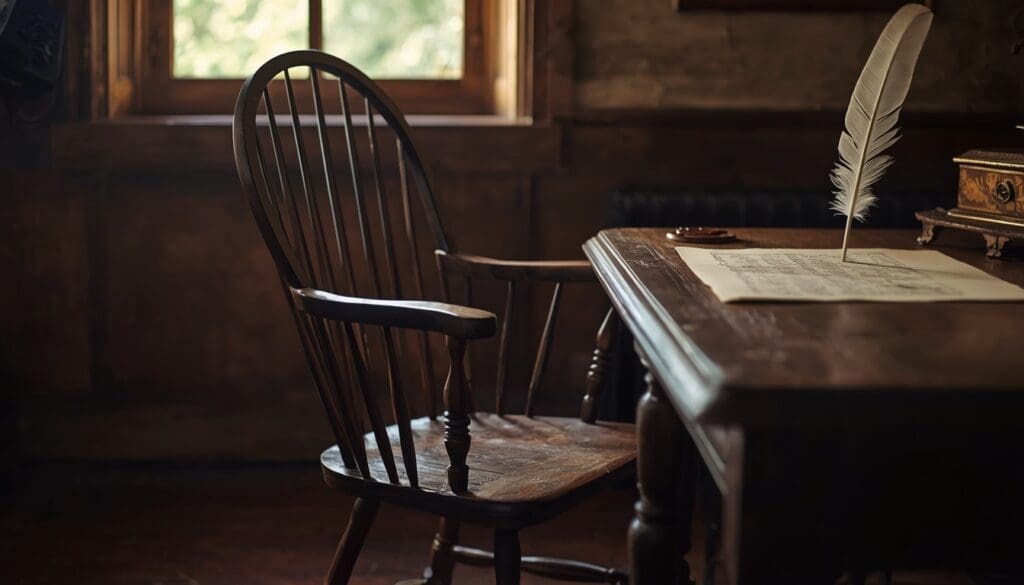
Did You Know? The Declaration of Independence Was Likely Written in a Windsor Chair As America celebrates 250 years of independence, it’s worth looking at one of the quieter witnesses to that history: the humble Windsor chair. Thomas Jefferson is said to have drafted the Declaration of Independence while seated in an unusual revolving Windsor […]
Shopping for a dining table when you have a family of six means you need something that works for Tuesday night homework sessions, weekend pancake breakfasts, and holiday dinners with grandparents—all without taking over your entire dining room. The right table makes family life easier. The wrong one? You’ll feel it every single day. Let’s […]
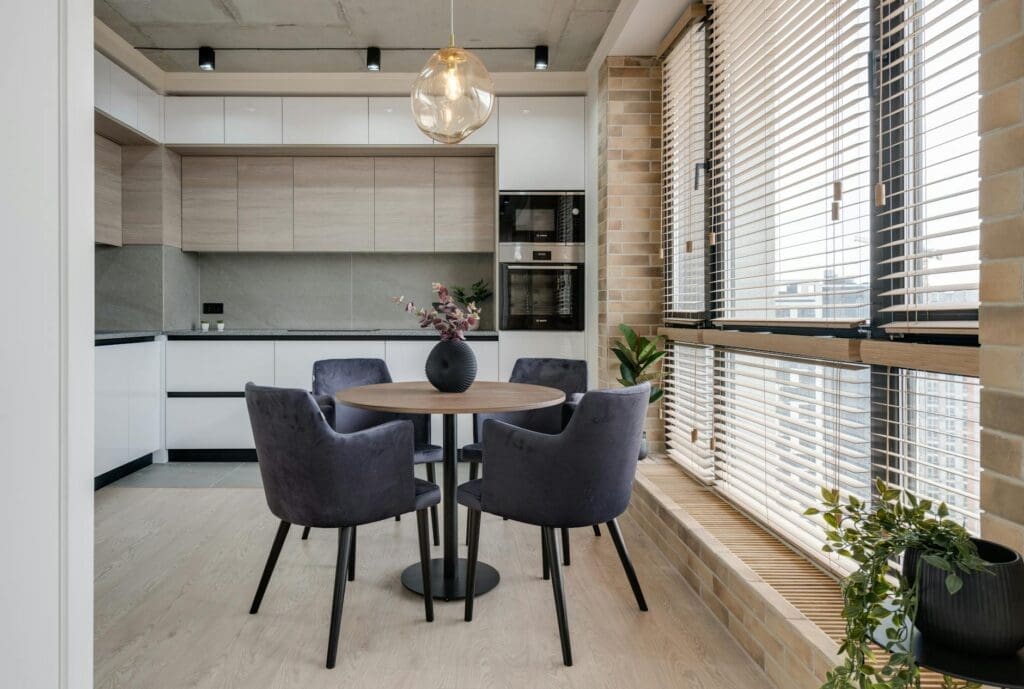
If you’re working with a compact dining area, you’ve probably already discovered that square and rectangular tables can feel like furniture Tetris. Round dining tables are often the smartest solution for small spaces—they eliminate sharp corners that eat up valuable square footage, create better traffic flow, and somehow make a room feel more spacious even […]