You’ve narrowed down your sofa search by size, color, and price—then you hit a question that stops you in your tracks: tight back or loose back? If you’re not sure what that even means, you’re not alone. This seemingly small detail actually makes a big difference in how your sofa looks, feels, and fits into your daily life.
Let’s break down both options so you can figure out which one belongs in your living room.
What’s the Actual Difference?
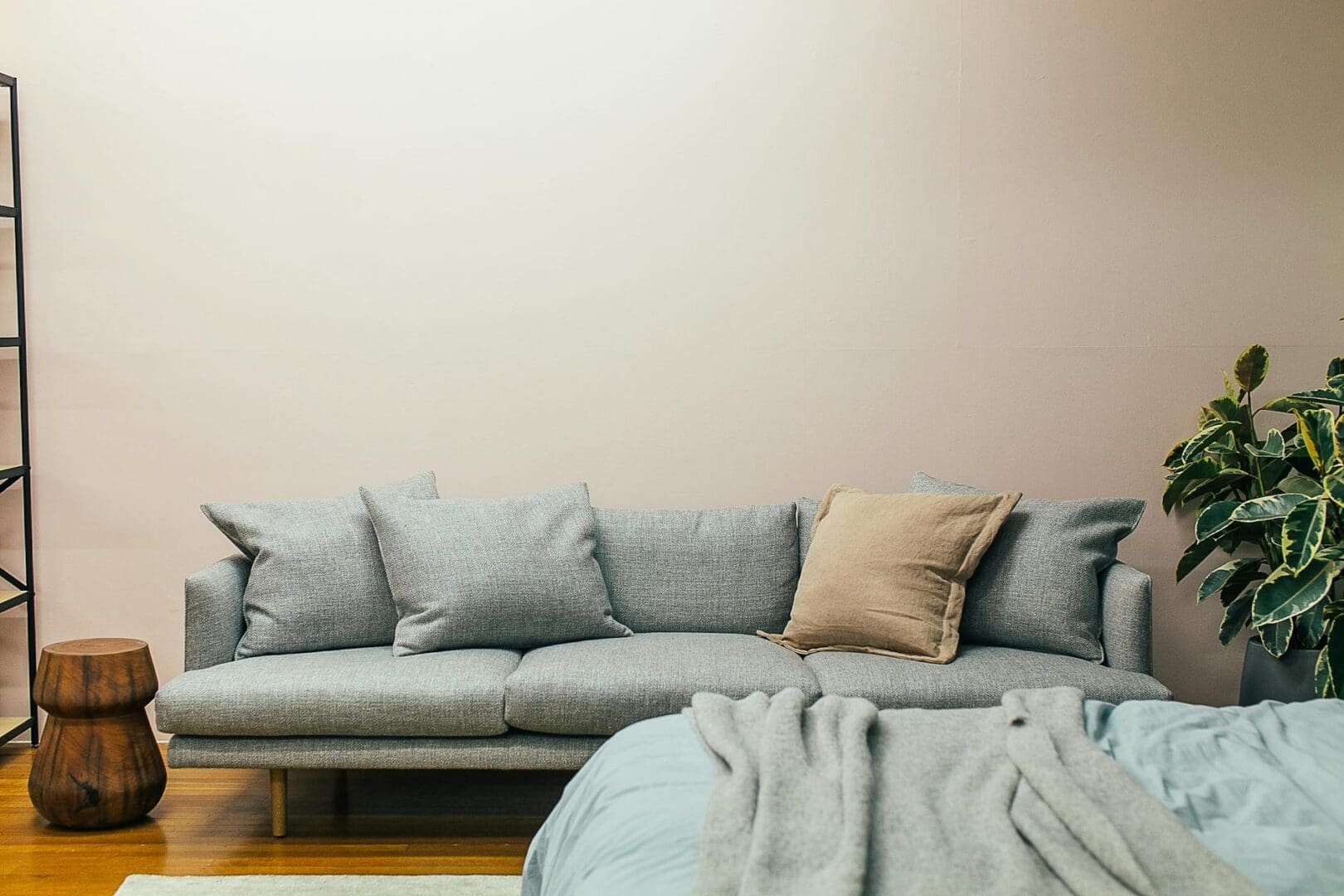
The back cushions tell the whole story. A tight back sofa has cushions that are permanently attached to the frame—they don’t move, flip, or come off. The upholstery is pulled taut and secured, creating a smooth, tailored appearance that stays put.
Loose back sofas feature separate cushions that rest against the frame but aren’t attached. You can remove them, flip them, rearrange them, or toss them aside when you’re searching for the remote. These cushions are typically filled with down, fiber, or a down-blend that creates a softer, more relaxed look.
The construction difference might seem minor, but it affects everything from comfort to cleaning.
Comfort and Support: Which Feels Better?
Tight back sofas offer firm, consistent support. Because the cushions are secured to the frame, they maintain their shape and don’t shift when you lean back. This makes them ideal if you have back issues or prefer structured seating. You’ll sit more upright, and the support stays exactly where you need it, every single time.
Loose back sofas deliver that sink-in, enveloping comfort that feels like a hug. The separate cushions mold to your body and create a cozier, more casual sitting experience. If you’re someone who likes to curl up with a book or take naps on the sofa, loose cushions usually win. The trade-off? You’ll need to fluff and rearrange those cushions regularly to keep them looking neat.
Your lifestyle matters here. If you have kids who jump on furniture or pets who claim the sofa as their own, loose cushions let you flip and rotate to distribute wear evenly. With tight backs, what you see is what you get—there’s no flipping to extend the life.
Style and Aesthetic Considerations
Tight back sofas look crisp and contemporary. That smooth, tailored silhouette works beautifully in modern and transitional spaces where clean lines matter. They photograph well, maintain their showroom appearance, and never look messy—even after a Netflix marathon. Expect to see tight backs on mid-century modern designs, sleek sectionals, and sofas with exposed wooden frames.
Loose back sofas embrace a more relaxed, lived-in aesthetic. They’re the go-to choice for English roll-arm styles, traditional designs, and that effortlessly casual look that says “come sit and stay awhile.” The cushions naturally develop a soft, rumpled appearance that some people love and others find frustrating. If you’re drawn to cozy, layered interiors with a European or farmhouse vibe, loose cushions reinforce that aesthetic.
Budget-wise, you’ll find both styles across the price spectrum. Tight backs typically start around $800-$1,200 for quality construction, while loose back sofas often begin closer to $1,200-$1,800, especially if they feature down-blend cushions. Premium options in either style can easily reach $3,000-$5,000 or more.
Maintenance and Long-Term Care
Here’s where practical concerns take center stage. Tight back sofas are remarkably low-maintenance. There’s nothing to fluff, rotate, or restuff. Vacuuming is straightforward, and the cushions won’t develop the wear patterns that loose cushions sometimes show. The downside? If the foam eventually breaks down or the fabric gets damaged, you’re looking at professional reupholstery since everything is attached.
Loose back sofas require regular fluffing—daily if you’re particular about appearance. The cushions can lose their shape over time and may need professional restuffing every few years, especially down-filled options. The upside is flexibility: you can remove cushions for deep cleaning, spot-treat spills more easily, and even replace individual cushions without replacing the entire sofa.
For homes with allergies, tight backs collect less dust since there are fewer crevices. For homes with messy eaters or frequent spills, loose cushions offer easier access for cleaning.
So which should you choose? If you value a polished look with minimal upkeep and prefer firmer support, a tight back sofa is probably your match. If comfort is your top priority and you don’t mind a little daily fluffing for that sink-in feeling, loose back cushions will serve you well. Either way, you’re not making a wrong choice—just the right one for how you actually live.
You need more storage in your living room, but a bulky bookcase feels too heavy and floating shelves aren’t cutting it. A credenza might be exactly what you’re looking for—it’s that low-profile cabinet that gives you tons of hidden storage while creating a beautiful surface for lamps, plants, and the things you actually want to […]
If you’ve been hitting snooze repeatedly or dragging yourself out of bed feeling groggy, you’re not alone. Waking up to a jarring alarm in a dark room works against your body’s natural rhythms, especially during winter months. A sunrise alarm clock mimics natural dawn, gradually filling your room with light to ease you awake. But […]
Waking up at 3 a.m. with a sweaty neck and flipping your pillow to the cool side for the fourth time isn’t just annoying—it’s robbing you of quality sleep. If you’re a hot sleeper, your pillow might be trapping heat against your head and neck all night long. The good news? The right cooling pillow […]