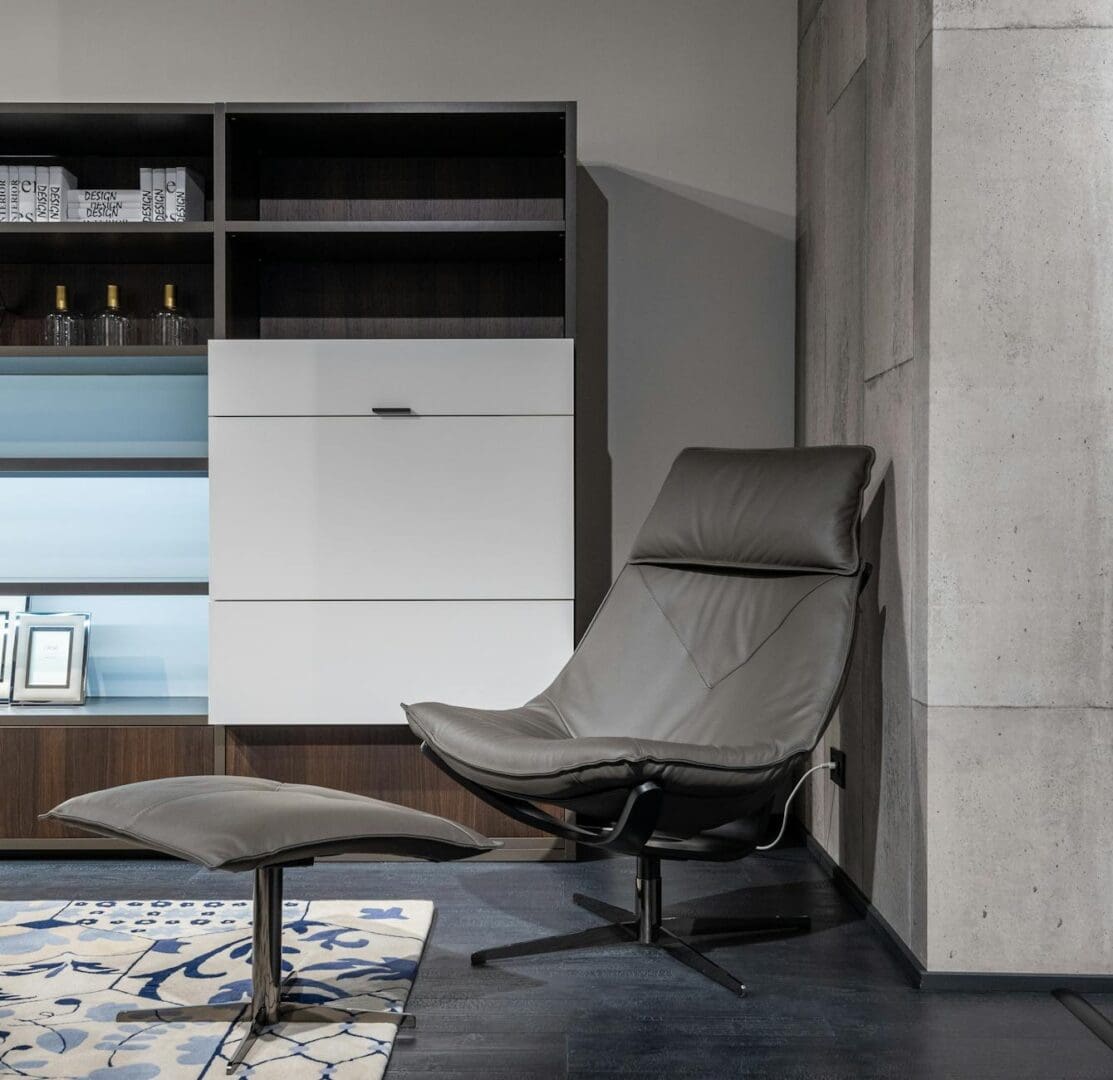
In 1928, two cousins named Edward Knabusch and Edwin Shoemaker were tinkering in a garage in Monroe, Michigan, when they created something that would change living rooms forever: the upholstered reclining chair. Their invention, originally built from orange crates and a padded seat, became La-Z-Boy—and sparked an entire category of furniture that millions of us now can’t imagine life without. If you’re shopping for a recliner today, you’re benefiting from nearly a century of refinement to that original garage prototype.
Understanding Recliner Mechanisms and How They Affect Your Choice
The mechanism is the heart of any recliner, and it dramatically impacts both price and experience. Manual recliners use a lever or push-back system—you pull a handle on the side or simply lean back with enough pressure to engage the footrest. These tend to be the most budget-friendly option, typically ranging from $300 to $800, and they’re wonderfully straightforward with fewer parts that could need repair.
Power recliners give you button-controlled positioning, and many now include USB ports and dual motors that let you adjust the backrest and footrest independently. Expect to spend $700 to $2,000 for quality power recliners. The investment makes sense if you have mobility concerns or simply want that precise “just right” position for reading or napping. Some high-end models ($1,500 and up) even include heat and massage functions, though consider whether you’ll actually use these features before paying for them.
Size Matters More Than You Think
Here’s where many people go wrong: they fall in love with a recliner in a massive showroom, then get it home to discover it overwhelms their space. When fully reclined, most chairs need 3 to 4 feet of clearance behind them. Measure from where the back of the chair will sit to the nearest wall or furniture piece, and make sure you have enough room.
Wall-hugger (or wall-saver) recliners solve this problem by sliding forward as they recline, requiring only 4 to 6 inches of wall clearance. They’re perfect for apartments or smaller living rooms, though the mechanism does add $100 to $300 to the price compared to standard recliners.
Don’t forget about doorways and staircases. That oversized recliner needs to actually make it into your home. Check the width of your narrowest doorway and any turns the delivery team will need to navigate.
Material Choices That Match Your Lifestyle
Leather recliners bring that classic look and they’re genuinely easier to clean—just wipe up spills before they set. Full-grain leather ($1,200 and up) develops a rich patina over time, while bonded leather (typically under $700) costs less but may peel after a few years. Top-grain leather hits the sweet spot for most buyers, offering durability without the premium price tag.
Fabric recliners give you more color and pattern options, and they tend to feel softer and more breathable. Look for performance fabrics if you have kids or pets—these are treated to resist stains and wear. Microfiber is particularly practical and usually sits in the $400 to $1,000 range. The downside? Fabric shows wear patterns over time and can be trickier to clean than leather.
Finding the Right Fit for Your Body
The best recliner for your neighbor might be terrible for you. When you test recliners (and you absolutely should sit in them before buying), your feet should rest flat on the floor when upright, with your lower back supported by the lumbar area of the chair. When reclined, the footrest should support your legs without pressure behind your knees.
Petite buyers often do better with compact or “small-scale” recliners designed for shorter frames. If you’re taller than 6 feet or over 250 pounds, look specifically for “big and tall” recliners with reinforced frames and higher weight capacities—these are built differently, not just sized up.
Those two Michigan cousins probably never imagined their garage invention would evolve into the variety of recliners available today. Whether you’re looking for a simple manual recliner to read in or a fully loaded power model for serious relaxation, understanding these key factors helps you move past the overwhelming number of options to find the one that’ll work in your actual space, with your actual budget, for your actual body. Take your measurements, know your must-haves versus nice-to-haves, and don’t be shy about spending at least 10 minutes sitting in any chair before you commit.
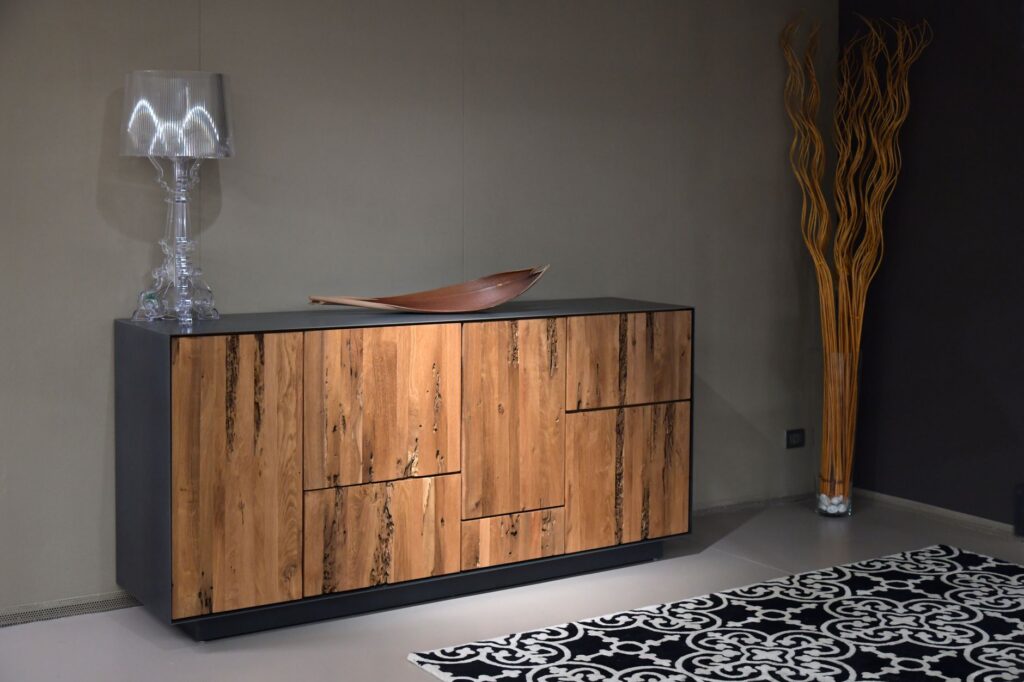
You need more storage in your living room, but a bulky bookcase feels too heavy and floating shelves aren’t cutting it. A credenza might be exactly what you’re looking for—it’s that low-profile cabinet that gives you tons of hidden storage while creating a beautiful surface for lamps, plants, and the things you actually want to […]
If you’ve been hitting snooze repeatedly or dragging yourself out of bed feeling groggy, you’re not alone. Waking up to a jarring alarm in a dark room works against your body’s natural rhythms, especially during winter months. A sunrise alarm clock mimics natural dawn, gradually filling your room with light to ease you awake. But […]
Waking up at 3 a.m. with a sweaty neck and flipping your pillow to the cool side for the fourth time isn’t just annoying—it’s robbing you of quality sleep. If you’re a hot sleeper, your pillow might be trapping heat against your head and neck all night long. The good news? The right cooling pillow […]