If you’ve been tossing and turning on your current mattress, a pillow top might seem like the plush, hotel-bed upgrade you’ve been dreaming about. That extra layer of cushioning looks incredibly inviting in the showroom, but does it actually deliver better sleep—or will you end up with a saggy, uncomfortable mess in a few years? Let’s break down what pillow tops really offer and whether they’re the right choice for your sleep style and budget.
What Actually Makes a Mattress a Pillow Top
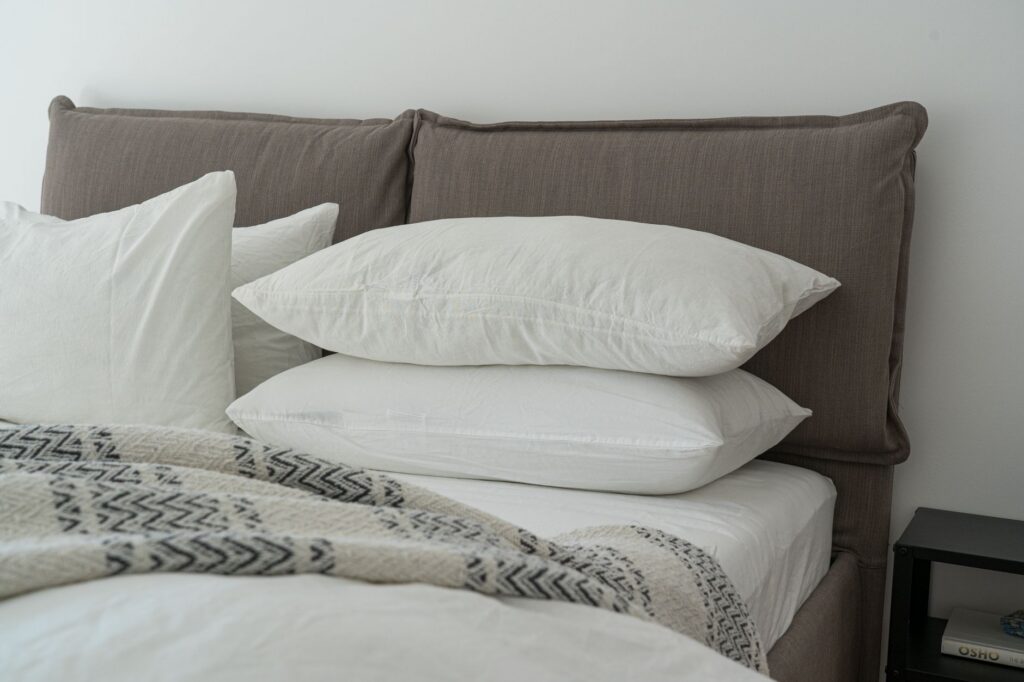
A pillow top mattress has an additional layer of padding sewn directly onto the top surface, creating that signature cushioned appearance. This extra layer typically contains materials like memory foam, latex, fiberfill, or wool—sometimes a combination. Unlike a mattress topper you’d buy separately, this layer is permanently attached and integrated into the mattress construction.
The key distinction worth knowing: a “pillow top” has that extra layer sewn on top, while a “Euro top” (sometimes called a box top) sits flush with the mattress edges rather than creating a pillow-like border. Euro tops tend to be slightly firmer and more durable because the construction distributes weight more evenly. Both styles add softness, but the structural difference affects longevity and edge support.
Who Benefits Most From Pillow Top Mattresses
Pillow tops work beautifully for side sleepers who need pressure relief at the shoulders and hips. That extra cushioning helps your body sink in just enough to maintain spinal alignment without creating uncomfortable pressure points. If you wake up with shoulder or hip pain on your current mattress, a pillow top might genuinely solve that problem.
They’re also worth considering if you find traditional firm mattresses too hard but worry that full memory foam will feel too enveloping. A pillow top on an innerspring or hybrid base gives you that initial softness with more responsive support underneath.
On the flip side, stomach sleepers and people with back pain often do better with firmer surfaces. That plush top layer can let your midsection sink too far, throwing your spine out of alignment. Heavier individuals (over 230 pounds) should also proceed carefully—pillow tops can compress more quickly under greater weight, leading to premature sagging and body impressions.
The Durability Question Everyone Should Ask
Here’s the honest truth: pillow tops have a reputation for sagging, and it’s partially deserved. That comfort layer takes the brunt of your body weight night after night, and lower-quality materials will compress and create permanent indentations within a few years.
Budget pillow tops ($500-$800 for a queen) often use polyester fiberfill that flattens quickly. Mid-range options ($900-$1,500) typically feature better foam densities and may include gel-infused memory foam for temperature regulation. Splurge-worthy models ($1,600-$3,000+) use high-density foams, natural latex, or wool that maintain their loft significantly longer—some come with 15-20 year warranties.
Look for these durability indicators: foam density of at least 4 pounds per cubic foot in the pillow top layer, coil counts above 800 for innerspring bases, and warranties that specifically cover body impressions deeper than 1.5 inches. Also check whether the manufacturer allows flipping—most pillow tops can’t be flipped because the cushioning is only on top, which means you can’t rotate away wear patterns.
Materials and Features Worth Paying For
The base matters as much as the pillow top itself. Hybrid constructions with individually wrapped coils and memory foam or latex tops tend to offer the best balance of support and pressure relief. Traditional innerspring bases with pillow tops cost less but may transfer more motion if you share the bed.
Temperature regulation deserves attention too. Memory foam pillow tops can trap heat, so look for gel infusions, copper or graphite additives, or phase-change materials if you sleep warm. Natural latex and wool pillow tops breathe better naturally but command higher prices.
Edge support becomes more important with pillow tops since you’re adding a softer surface. Reinforced perimeter coils or high-density foam edges prevent that collapsing feeling when you sit on the bed’s side or sleep near the edge.
So, are pillow top mattresses worth it? If you’re a side sleeper seeking pressure relief and you’re willing to invest in quality construction, absolutely. They deliver that immediate plush comfort many people crave. Just skip the budget options unless you’re comfortable replacing your mattress in 3-5 years instead of 7-10. Pay attention to the materials, test the firmness level carefully, and make sure the warranty actually protects against the sagging issues pillow tops are prone to. The right pillow top can genuinely transform your sleep—the wrong one just looks good in the showroom.
Recessed lighting can transform your bedroom from a dimly-lit cave into a comfortable, well-lit retreat—but only if you choose the right fixtures and place them thoughtfully. Unlike a living room where bright task lighting might be the priority, your bedroom needs a layered approach that supports everything from getting dressed in the morning to winding […]
Bedside table lamps eat up valuable nightstand real estate, and hardwired sconces require an electrician and serious commitment. That’s where plug-in wall sconces come in—they give you the sophisticated look and space-saving benefits of mounted lighting without tearing into your walls. But with so many styles and features available, how do you choose one that […]
Setting up a guest bedroom means thinking through details you might take for granted in your own room—and pillows are a big one. Your guests can’t exactly bring their favorite pillow from home (well, some do, but most won’t), so the pillows you provide can make the difference between them sleeping soundly or waking up […]