You’re standing in your living room, looking at that empty space in front of your sofa, and the debate begins: ottoman or coffee table? It’s not just about filling space—this piece will shape how you use your room every single day. Whether you’re propping up your feet after work, hosting game night, or just need somewhere to set your morning coffee, the right choice makes all the difference.
How You Actually Use Your Living Room
Start by thinking about your daily routine. Coffee tables excel when you need a sturdy surface for laptops, books, and those elaborate cheese boards you see on Pinterest. They typically sit at 16-18 inches high, which aligns perfectly with most sofa seat heights for easy reaching.
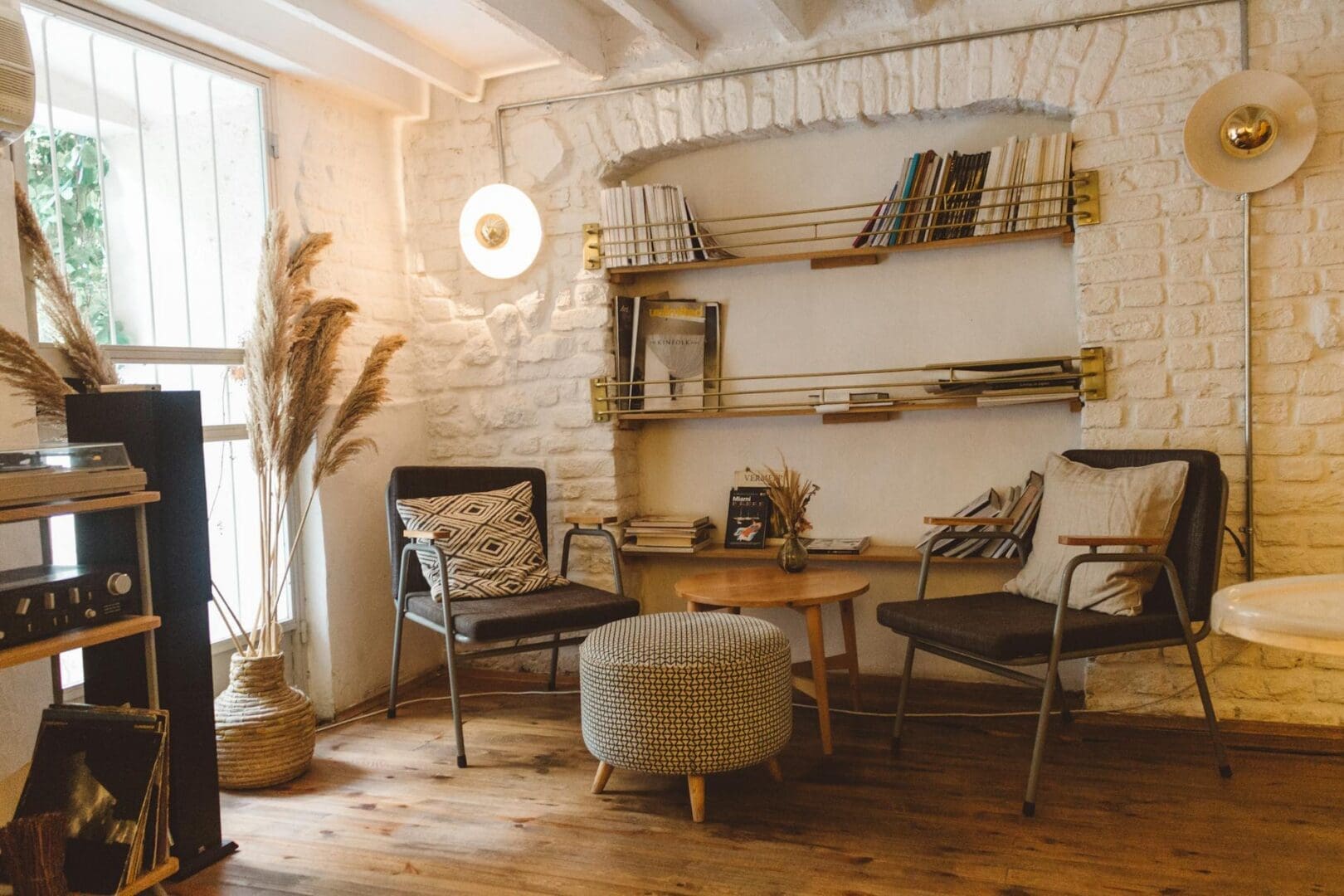
Ottomans shine in more relaxed spaces. They’re ideal if you love to kick your feet up, have young kids who are constantly bumping into things, or want flexible seating when friends visit. Upholstered ottomans also add softness to a room in a way hard-surface tables simply can’t. Many people don’t realize you can have both functions—a sturdy ottoman with a serving tray on top gives you a cushioned footrest and a stable surface for drinks.
Consider your household too. Homes with small children often benefit from ottomans since there are no sharp corners to worry about. On the flip side, if you’re constantly setting down drinks or working from your couch, a solid coffee table might save you from frustration.
Size and Space Considerations
Getting the proportions right matters more than you’d think. For coffee tables, aim for about two-thirds the length of your sofa, leaving 14-18 inches between the table edge and seating. Go smaller in tight spaces—a 36-inch round table works beautifully in cozy living rooms where a standard 48-inch rectangular table would overwhelm.
Ottomans offer more flexibility here. A large square ottoman (around 36×36 inches) can serve as a centerpiece, while smaller ottomans can be clustered together and separated when you need extra seating. Round ottomans are particularly good for awkward spaces or rooms with lots of traffic flow since you can navigate around them easily.
Measure your space before shopping. You’ll want at least 30 inches of clearance around all sides for comfortable movement. In smaller apartments or condos, consider nesting tables or a storage ottoman that can tuck partially under your sofa when needed.
Storage and Functionality
Storage can be a dealbreaker if you’re short on space. Storage ottomans range from budget-friendly options around $100-150 to upholstered statement pieces at $400-600. They’re perfect for stashing throw blankets, remotes, kids’ toys, or those magazines you swear you’ll read eventually.
Coffee tables with storage come in several styles: lift-top tables (great for laptop work, typically $250-500), tables with lower shelves ($150-400), and drawer models ($300-700). Lift-top designs have become incredibly popular since more people work from home—they raise up to create an instant desk surface.
Glass coffee tables with open bases create visual space in small rooms but offer zero storage. Solid wood tables with shelves give you display space while keeping the room feeling grounded.
Style and Material Choices
Coffee tables make strong design statements. Wood tables in walnut or oak ($300-1,200) bring warmth and work across multiple styles. Marble or stone-top tables ($500-2,000+) add luxury but require more maintenance. Glass tables ($200-800) are classic for a reason—they don’t visually crowd a room.
Ottomans offer incredible texture variety. Leather ottomans ($400-1,500) develop character over time and work in both traditional and modern spaces. Linen or cotton upholstery ($200-800) feels casual and inviting. Velvet ottomans ($300-1,000) have had a major moment lately and add instant sophistication.
Think about upkeep too. Light-colored fabric ottomans show stains quickly—consider performance fabrics if you have pets or kids. Coffee tables with intricate bases might look stunning but can be a pain to clean underneath.
The choice between an ottoman and coffee table really comes down to how you live. If you value versatility, comfort, and safety, an ottoman—especially one with a tray—might be your answer. If you need reliable surface space and prefer traditional functionality, a coffee table will serve you better. Some rooms even have space for both: a coffee table as the anchor with a small ottoman tucked to the side for extra seating. Trust your instincts about what your daily life actually looks like, not just what looks good in photos.
You need more storage in your living room, but a bulky bookcase feels too heavy and floating shelves aren’t cutting it. A credenza might be exactly what you’re looking for—it’s that low-profile cabinet that gives you tons of hidden storage while creating a beautiful surface for lamps, plants, and the things you actually want to […]
If you’ve been hitting snooze repeatedly or dragging yourself out of bed feeling groggy, you’re not alone. Waking up to a jarring alarm in a dark room works against your body’s natural rhythms, especially during winter months. A sunrise alarm clock mimics natural dawn, gradually filling your room with light to ease you awake. But […]
Waking up at 3 a.m. with a sweaty neck and flipping your pillow to the cool side for the fourth time isn’t just annoying—it’s robbing you of quality sleep. If you’re a hot sleeper, your pillow might be trapping heat against your head and neck all night long. The good news? The right cooling pillow […]