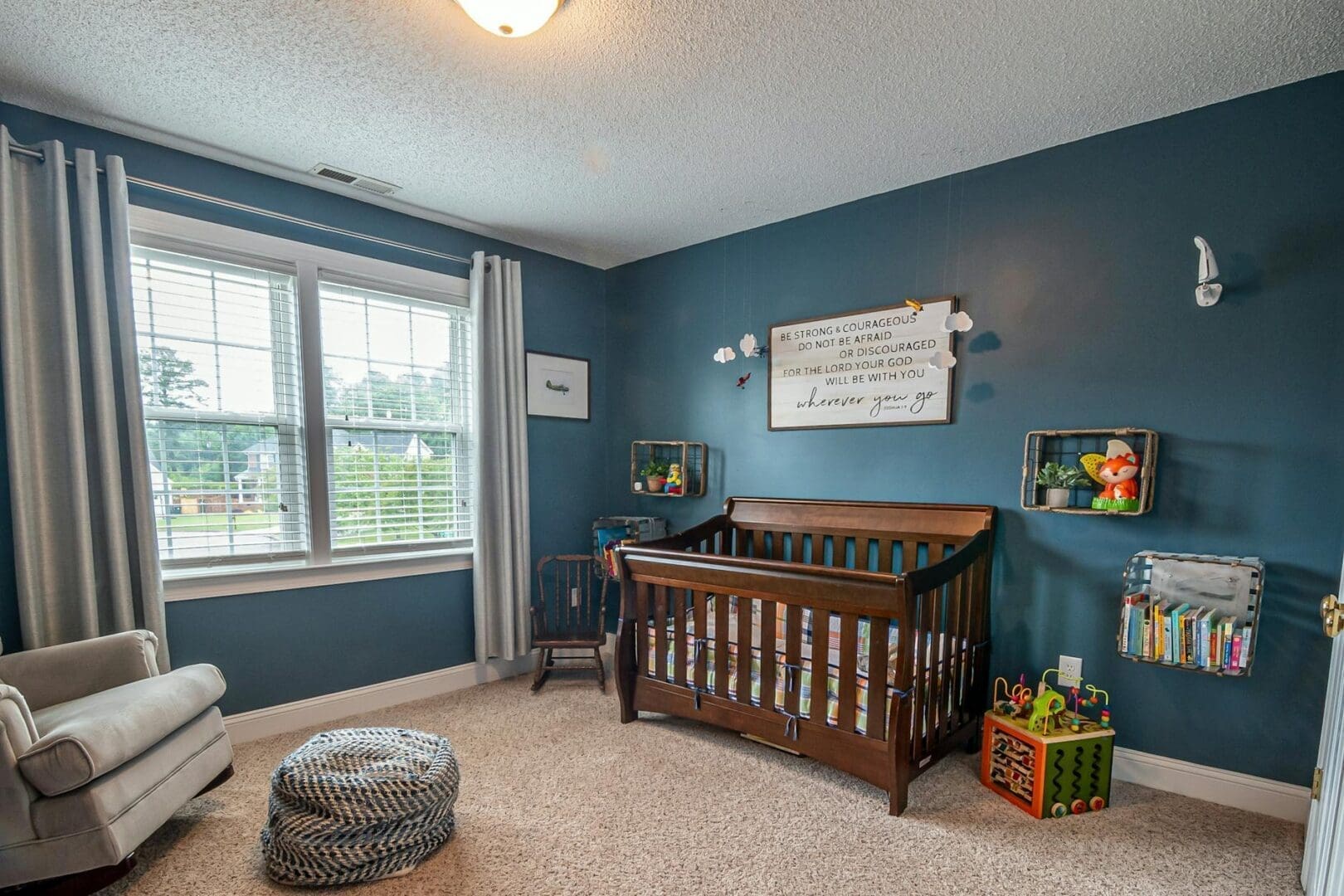
Designing a nursery is one of those rare home projects where function and emotion meet in equal measure. You want a space that’s beautiful enough to soothe those 3 a.m. wake-ups, but practical enough to handle the reality of babies and toddlers. The good news? 2026’s nursery trends are all about creating rooms that grow with your family while looking absolutely lovely from day one.
Convertible Furniture Takes Center Stage
The star of 2026 nurseries isn’t a crib—it’s a crib that becomes a toddler bed, then a daybed, and sometimes even a full-size bed frame. Convertible furniture has evolved beyond basic functionality into genuinely beautiful pieces you’ll want to keep for years.
Look for cribs with clean lines and solid wood construction that can adapt through multiple stages. The best ones include conversion kits and are designed with timeless proportions that won’t look dated in three years. Dressers are following suit, with changing toppers that remove cleanly to reveal elegant storage pieces suitable for a teen’s room.
Budget-conscious parents can find decent convertible cribs starting around $250-400, while mid-range options ($500-800) offer better construction and smoother transitions between stages. Splurge-worthy pieces ($1,000+) typically feature hand-finished hardwoods and hardware that’ll last through multiple children.
Warm Neutrals Replace Stark Whites
The all-white nursery is giving way to warmer, earthier palettes in 2026. Think creamy beiges, soft taupes, gentle terracottas, and muted sage greens. These colors create calm, cocoon-like spaces without feeling sterile or cold.
This shift makes practical sense too—warm neutrals hide the inevitable wear and tear better than bright white, and they photograph beautifully in various lighting conditions. You’ll see these tones in everything from painted wood cribs to upholstered gliders and woven storage baskets.
The approach works especially well when you layer different textures in similar tones: a linen crib skirt, wool rug, wooden mobile, and rattan changing basket all in complementary warm neutrals create depth without visual chaos. Accent with one or two muted colors rather than a rainbow of brights.
Storage Gets Smarter and More Integrated
Parents in 2026 are done with nurseries that require separate storage units crowding every wall. The trend is toward integrated storage solutions that maximize vertical space and keep essentials within arm’s reach.
Look for cribs with built-in drawers underneath—they’re perfect for storing extra sheets, sleep sacks, and out-of-season clothes. Changing tables with deep shelving and pull-out baskets keep diapering supplies organized without requiring a separate dresser. Wall-mounted shelving with a mix of open and closed storage lets you display sweet keepsakes while hiding less photogenic necessities.
Floating shelves with integrated hooks are particularly popular, serving as both decor display and practical hanging space for frequently-used items. The key is choosing pieces where storage feels intentional rather than tacked on.
Sustainable Materials and Longevity Matter
2026 parents are asking harder questions about where nursery furniture comes from and how long it’ll last. This means solid wood over particleboard, water-based finishes instead of high-VOC paints, and organic fabrics for anything that touches baby’s skin.
Certifications like Greenguard Gold (low chemical emissions) and FSC-certified wood are becoming standard rather than premium features. Many manufacturers now prominently share information about sustainable forestry practices and non-toxic finishing processes.
This focus on sustainability aligns perfectly with the convertible furniture trend—buying one well-made piece that lasts 15 years is inherently more sustainable than replacing cheaper items every few years. Yes, you’ll pay more upfront (solid wood cribs typically start around $400-500), but the cost-per-year calculation often favors quality.
The nurseries that feel most current in 2026 balance aesthetics with adaptability. They’re designed with an understanding that this room will need to transform, possibly multiple times, and that’s factored into every purchasing decision. Choose furniture that can transition as gracefully as your baby will grow, stick with colors and materials that age beautifully, and prioritize storage solutions that actually solve problems. When you walk into the finished space, you should feel calm, organized, and ready—whether it’s for midnight feedings or eventual homework sessions. That’s a nursery that truly works.
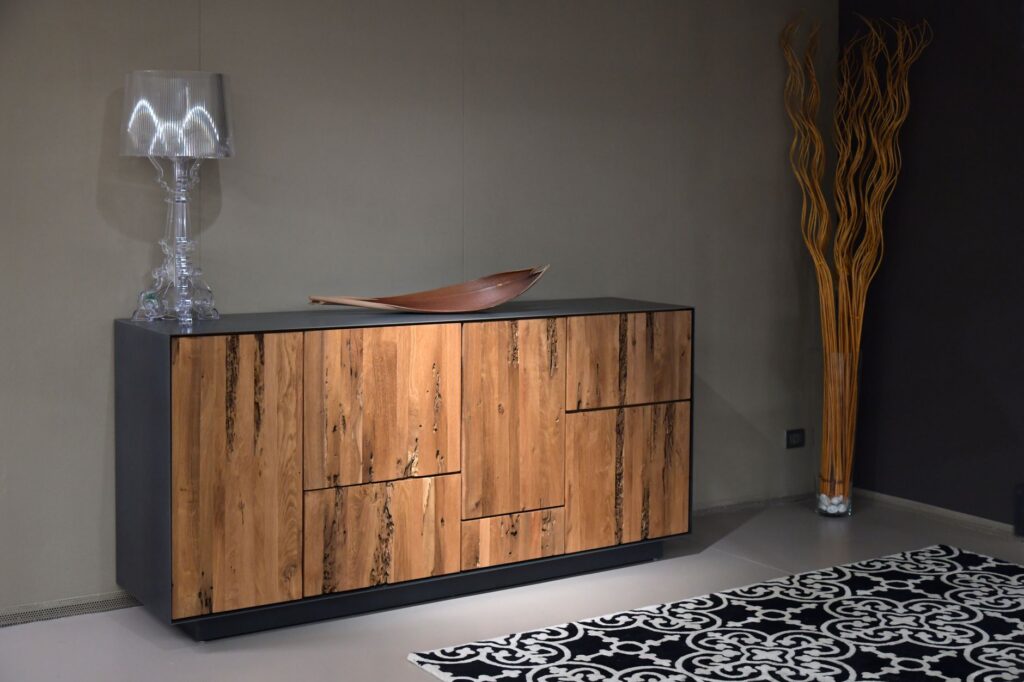
You need more storage in your living room, but a bulky bookcase feels too heavy and floating shelves aren’t cutting it. A credenza might be exactly what you’re looking for—it’s that low-profile cabinet that gives you tons of hidden storage while creating a beautiful surface for lamps, plants, and the things you actually want to […]
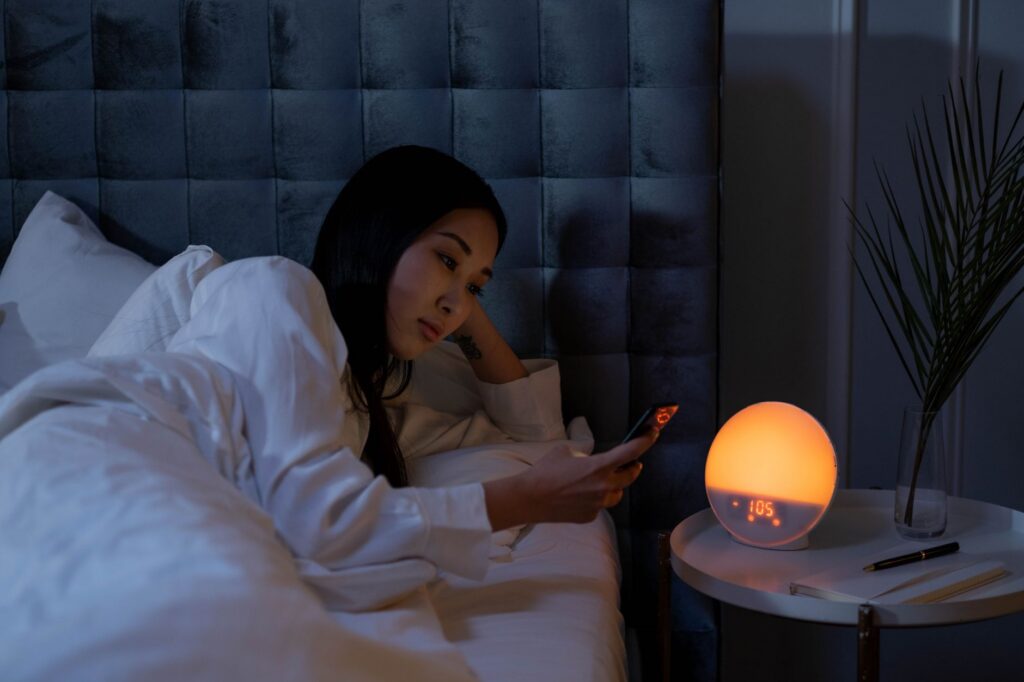
If you’ve been hitting snooze repeatedly or dragging yourself out of bed feeling groggy, you’re not alone. Waking up to a jarring alarm in a dark room works against your body’s natural rhythms, especially during winter months. A sunrise alarm clock mimics natural dawn, gradually filling your room with light to ease you awake. But […]
Waking up at 3 a.m. with a sweaty neck and flipping your pillow to the cool side for the fourth time isn’t just annoying—it’s robbing you of quality sleep. If you’re a hot sleeper, your pillow might be trapping heat against your head and neck all night long. The good news? The right cooling pillow […]