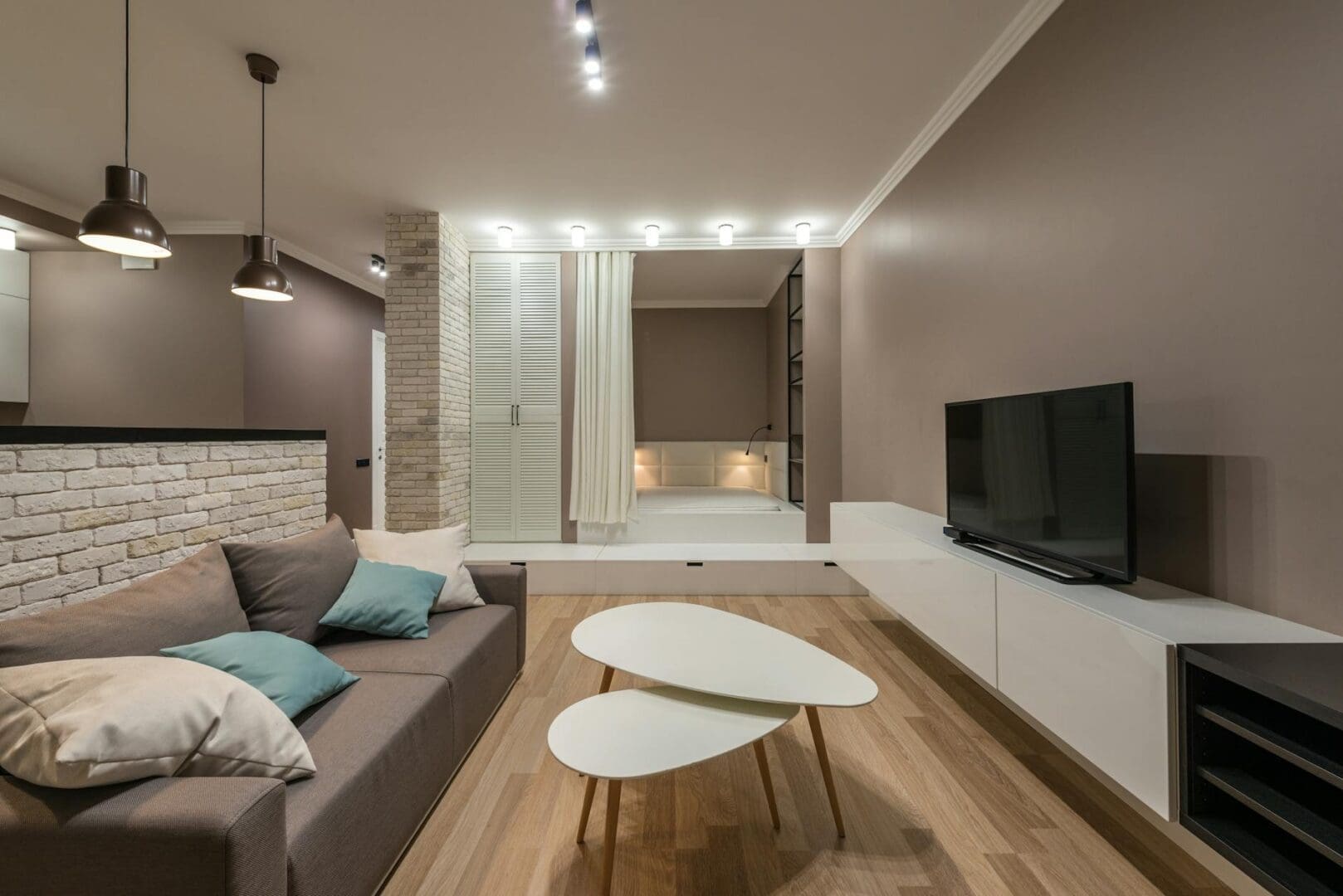
If you’ve been eyeing nesting coffee tables, you’re probably wondering whether they’re a clever solution or just another design trend that looks better in photos than in real life. The truth is, they can be genuinely practical—but only if they fit your specific living situation. Let’s walk through what matters most so you can decide if they’re right for your space.
The Flexibility Factor: When Nesting Tables Actually Make Sense
The main selling point of nesting tables is their adaptability. You get two or three tables that tuck neatly together when you don’t need them, then pull apart when you’re hosting guests or need extra surface space. This works beautifully in smaller living rooms where a traditional coffee table might feel too bulky, or in apartments where you’re constantly rearranging for different activities.
Think about how you actually use your coffee table. If you regularly host game nights, set out appetizers for guests, or need a laptop surface while someone else is using the main table, nesting tables deliver real value. The smaller tables can migrate around the room to wherever they’re needed, then disappear when the party’s over.
On the flip side, if your coffee table mostly holds a few remotes and a decorative tray that never moves, traditional single tables are usually sturdier and offer more continuous surface area for the same price point.
Size and Proportion: Getting the Dimensions Right
Nesting tables come in wildly different configurations, and choosing the wrong size is the fastest way to regret your purchase. The largest table should follow standard coffee table guidelines—roughly two-thirds the length of your sofa and about the same height as your seat cushions (usually 16-18 inches tall).
Pay close attention to how much the tables differ in size. Sets with three tables where each is only slightly smaller than the last give you more usable surface area when separated, but they don’t nest as compactly. Two-table sets with a more dramatic size difference tuck away beautifully but give you less flexibility when you pull them apart.
Measure the space between your sofa and TV stand before buying. You’ll need enough clearance to comfortably walk around the tables when they’re fully nested (aim for at least 18 inches of walkway). And if you’re planning to separate them regularly, make sure you actually have logical spots in your room for the smaller tables to live.
Materials and Construction: Where to Invest and Where to Save
This is where nesting tables can disappoint if you’re not careful. Because you’re essentially buying multiple tables, manufacturers sometimes cut corners on build quality to hit certain price points.
Budget sets ($150-$300) typically feature engineered wood with veneer finishes or metal frames with laminate tops. These work fine for light use, but check that the legs don’t wobble and that the nesting mechanism has enough clearance—cheaper sets sometimes scrape or stick.
Mid-range options ($300-$600) usually offer solid wood frames or high-quality metal construction. Look for brands that specify solid mango wood, acacia, or oak rather than vague terms like “wood product.” The joinery matters here—dovetail or mortise-and-tenon construction will outlast simple screws.
Splurge-worthy sets ($600+) feature premium materials like solid walnut, marble tops, or handcrafted metal bases. At this level, you should expect furniture-grade construction that rivals standalone coffee tables. These often become focal points rather than just functional pieces.
Style Considerations: Making Them Look Intentional
Here’s what many people don’t consider: nesting tables have a distinctly modern or contemporary look, even when made from traditional materials. The layered, geometric effect rarely works in spaces that lean heavily traditional or rustic-farmhouse.
They shine in mid-century modern, Scandinavian, industrial, and eclectic spaces where the architectural quality of the nesting design becomes a feature. Round nesting tables soften the look somewhat and work better in transitional spaces than angular sets.
Think about your styling habits too. Nesting tables give you less continuous surface for large coffee table books, trays, or centerpiece arrangements. If you love a carefully curated coffee table vignette, you might find yourself frustrated by the broken-up surface area.
The best solution? Keep the largest table styled as your main surface and leave the smaller ones fairly minimal so they’re easy to pull out and use when needed. This also reinforces their functional purpose rather than making them look like you just couldn’t commit to one table.
Nesting coffee tables earn their keep when you genuinely need the flexibility they provide—for small spaces, frequent entertaining, or adaptable room layouts. They’re less compelling if you want maximum surface area, prefer traditional styling, or rarely rearrange your furniture. Consider how you’ll use them in practice, not just how they look in the showroom, and you’ll know pretty quickly whether they’re worth it for your home.
If you’ve been hitting snooze repeatedly or dragging yourself out of bed feeling groggy, you’re not alone. Waking up to a jarring alarm in a dark room works against your body’s natural rhythms, especially during winter months. A sunrise alarm clock mimics natural dawn, gradually filling your room with light to ease you awake. But […]
Waking up at 3 a.m. with a sweaty neck and flipping your pillow to the cool side for the fourth time isn’t just annoying—it’s robbing you of quality sleep. If you’re a hot sleeper, your pillow might be trapping heat against your head and neck all night long. The good news? The right cooling pillow […]
If you’re working from home or spending hours at your desk, you’ve probably noticed that not all chairs are created equal. That bargain office chair seemed fine at first, but now your back aches by mid-afternoon. You’ve been eyeing ergonomic chairs, but with price tags that can run three to ten times higher than regular […]