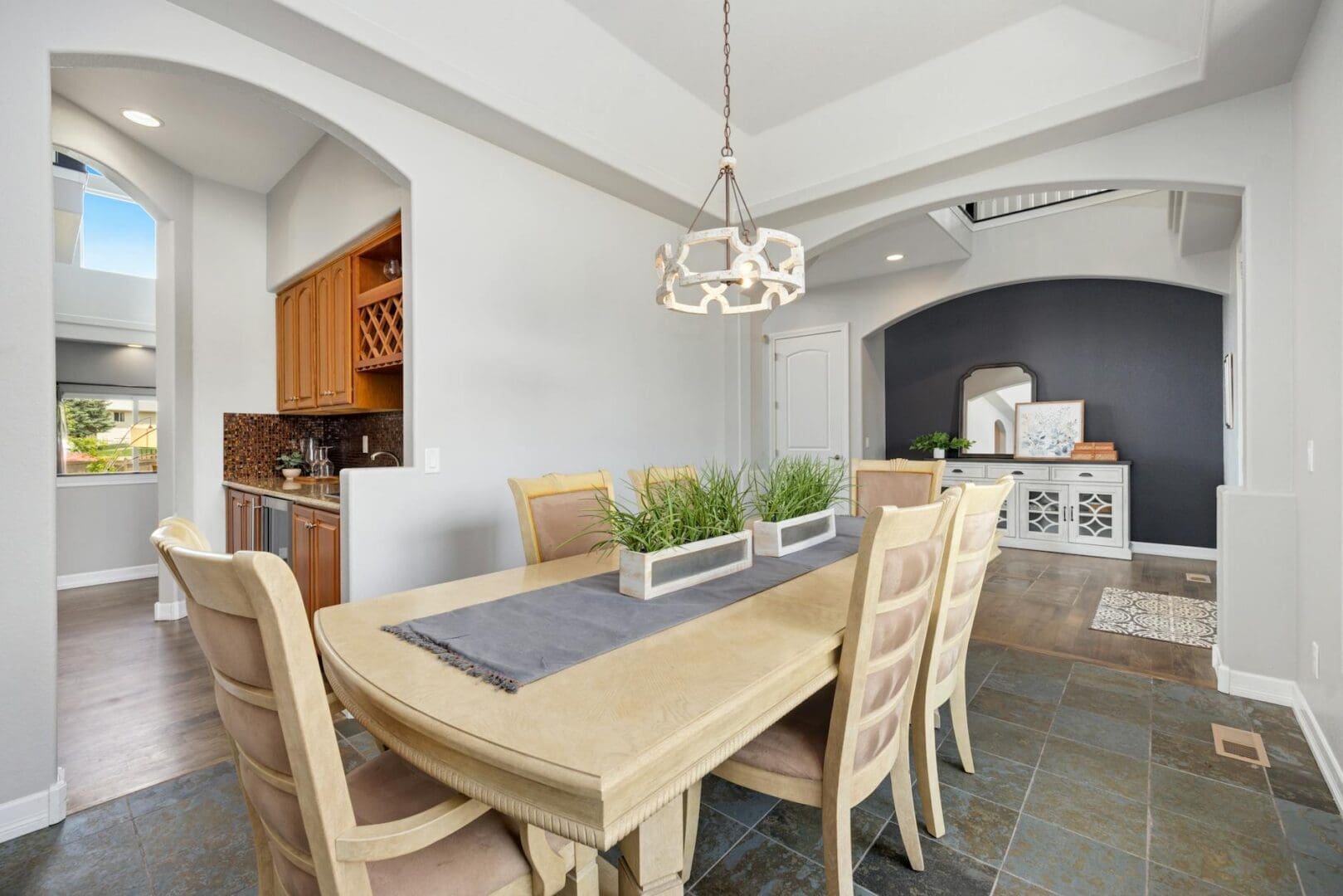
Your dining room chandelier isn’t just about lighting—it’s the jewelry of the room, setting the tone for every meal and gathering. But when you’re standing in the lighting aisle (or scrolling through endless options online), the choice between modern and traditional styles can feel overwhelming. Both can be stunning, but they create entirely different moods. Let’s break down what actually distinguishes these styles so you can choose the one that feels right for your space.
Understanding the Core Style Differences
Traditional chandeliers draw inspiration from classical European design, particularly French and English estates. Think ornate arms that curve upward or downward, candelabra-style bulbs, and decorative flourishes like crystals, scrollwork, or beaded details. These fixtures often feature brass, bronze, or antique finishes that add warmth and formality. They’re at home in dining rooms with crown molding, wainscoting, or furniture with turned legs and carved details.
Modern chandeliers take a “less is more” approach with clean lines, geometric shapes, and minimal ornamentation. You’ll see materials like brushed nickel, matte black, chrome, or even raw concrete. Modern designs might feature exposed bulbs, linear arrangements, or sculptural forms that double as art pieces. The silhouette is typically more angular or streamlined—think perfect circles, straight bars, or abstract clusters rather than flowing curves.
If your home leans contemporary with open floor plans and sleek furniture, modern fixtures usually feel more cohesive. Traditional spaces with detailed woodwork and classic furnishings naturally pair with ornate chandeliers. That said, mixing styles intentionally can create interesting contrast—a crystal chandelier in a minimalist space, for example, becomes a striking focal point.
Size, Scale, and Proportion Guidelines
Regardless of style, getting the size right matters more than almost anything else. A chandelier that’s too small disappears, while one that’s too large overwhelms the room.
Here’s a simple formula: add your room’s length and width in feet, then convert that number to inches—that’s your ideal chandelier diameter. So a 12×14 foot dining room works best with a 26-inch diameter fixture. For hanging height, aim for 30-36 inches above your table surface, with more clearance in rooms with high ceilings.
Traditional chandeliers often appear larger than their modern counterparts because of their decorative elements and multiple tiers. A 24-inch traditional piece with crystal drops and curved arms will feel more substantial than a 24-inch modern fixture with a simple drum shade. Keep this visual weight in mind when comparing options.
Budget-friendly chandeliers start around $150-300, mid-range options run $300-800, and statement pieces can easily reach $1,000-3,000+. Traditional styles with genuine crystal or hand-forged metals typically cost more than modern designs with simpler construction.
Material and Finish Considerations
Traditional chandeliers frequently feature materials that develop patina and character over time. You’ll find iron with aged finishes, brass with antiqued coatings, wood accents, and various types of crystals (glass crystals offer sparkle at lower price points, while leaded crystal provides superior clarity and refraction). Many include fabric shades that soften the light and add elegance.
Modern fixtures embrace industrial and contemporary materials—steel, aluminum, glass, and even acrylic. Finishes tend toward matte black, brushed or polished nickel, chrome, or natural brass without artificial aging. The beauty comes from the purity of the material and the precision of the design rather than decorative embellishment.
Think about durability and maintenance too. Intricate traditional chandeliers with multiple crystals require regular dusting and occasional deep cleaning. Modern pieces with smoother surfaces and fewer crevices are generally easier to maintain. If you have a two-story dining room or very high ceilings, consider how you’ll actually clean your fixture before falling in love with something high-maintenance.
Lighting Quality and Functionality
Traditional chandeliers with upward-facing candelabra bulbs create ambient, diffused light that’s romantic but sometimes insufficient for tasks like homework at the dining table. Many people add a dimmer switch or supplement with buffet lamps or sconces.
Modern designs often incorporate downward-facing light or exposed bulbs that provide brighter, more functional illumination. Some include integrated LED systems that are energy-efficient but may require replacing the entire fixture when they eventually burn out, rather than just swapping bulbs.
Consider whether you need your chandelier to be the sole light source or if it’s primarily decorative with other lighting doing the heavy lifting. Five to seven bulbs typically provide adequate light for most dining rooms, but this varies with bulb type and ceiling height.
Your chandelier will hang over your dining table for years, so choose the style that genuinely excites you when you walk into the room. If you love ornate details and romantic ambiance, don’t let anyone convince you that traditional is outdated. If clean lines and architectural forms speak to you, modern is timeless in its own right. The “right” choice is simply the one that makes your dining room feel like yours—somewhere you actually want to gather and linger over meals.
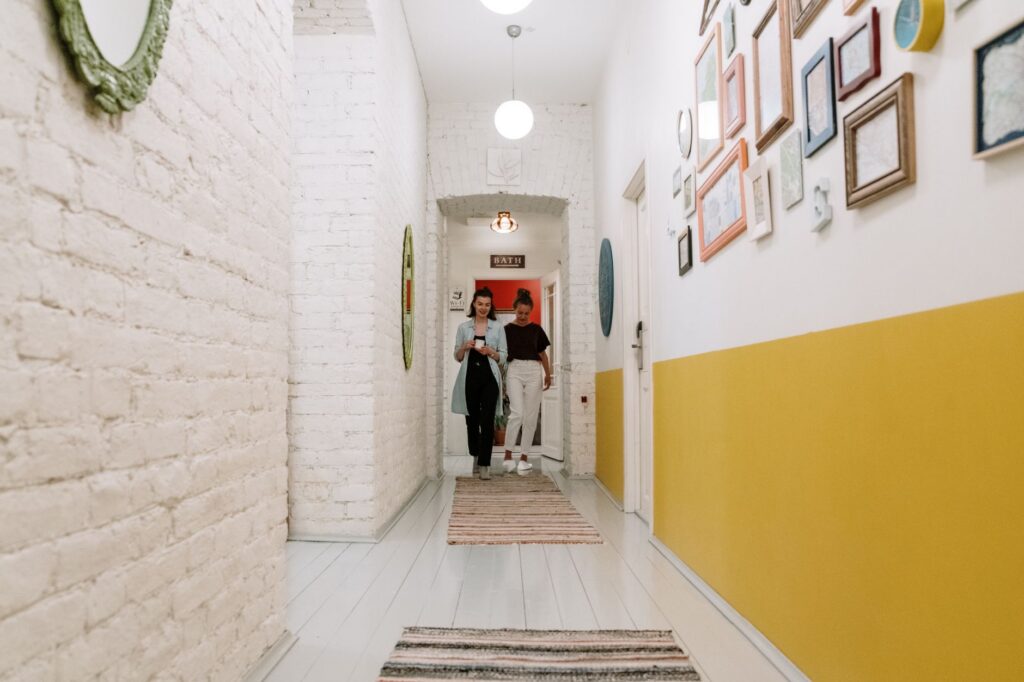
Hallways are the overlooked workhorses of our homes—they connect every room, but rarely get the storage love they deserve. A well-chosen sideboard transforms that narrow stretch of wall into genuinely useful space without making your hallway feel like an obstacle course. The trick is finding one that fits the proportions of the room while actually […]
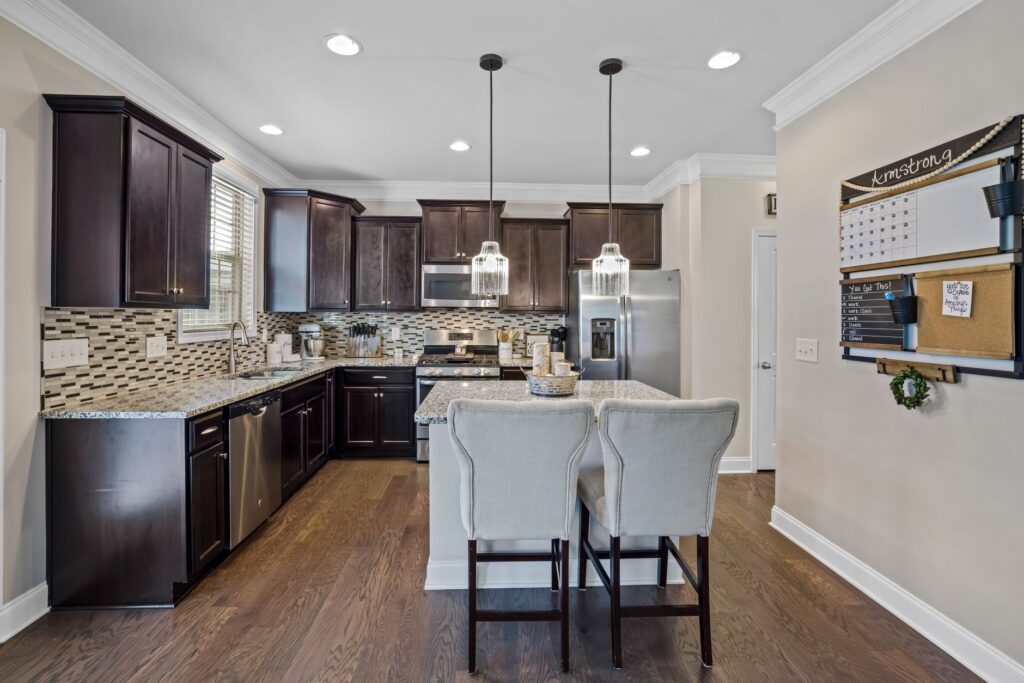
Dark kitchens—whether they feature rich espresso cabinets, moody charcoal walls, or black granite countertops—create incredible drama and sophistication. But they also present a unique challenge when it comes to choosing bar stools. Pick the wrong ones, and your beautiful space can feel cave-like or visually heavy. Choose wisely, and your stools become the bright spot […]
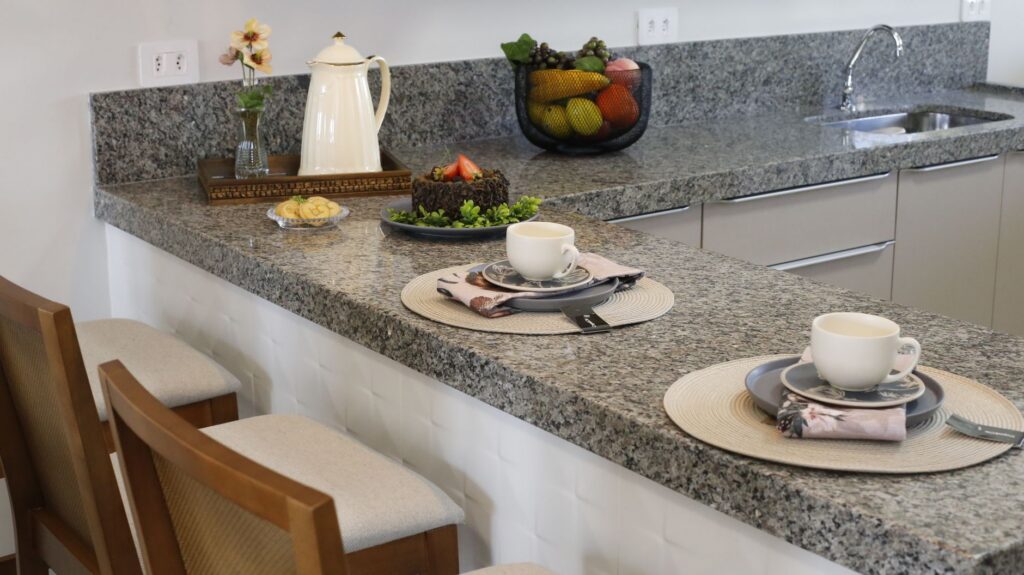
Your kitchen peninsula is prime real estate—it’s where morning coffee happens, where kids do homework while you’re prepping dinner, and where guests naturally gather during parties. Getting the right bar stools makes all the difference between a peninsula that feels welcoming and one that sits empty. But with so many options for height, style, and […]