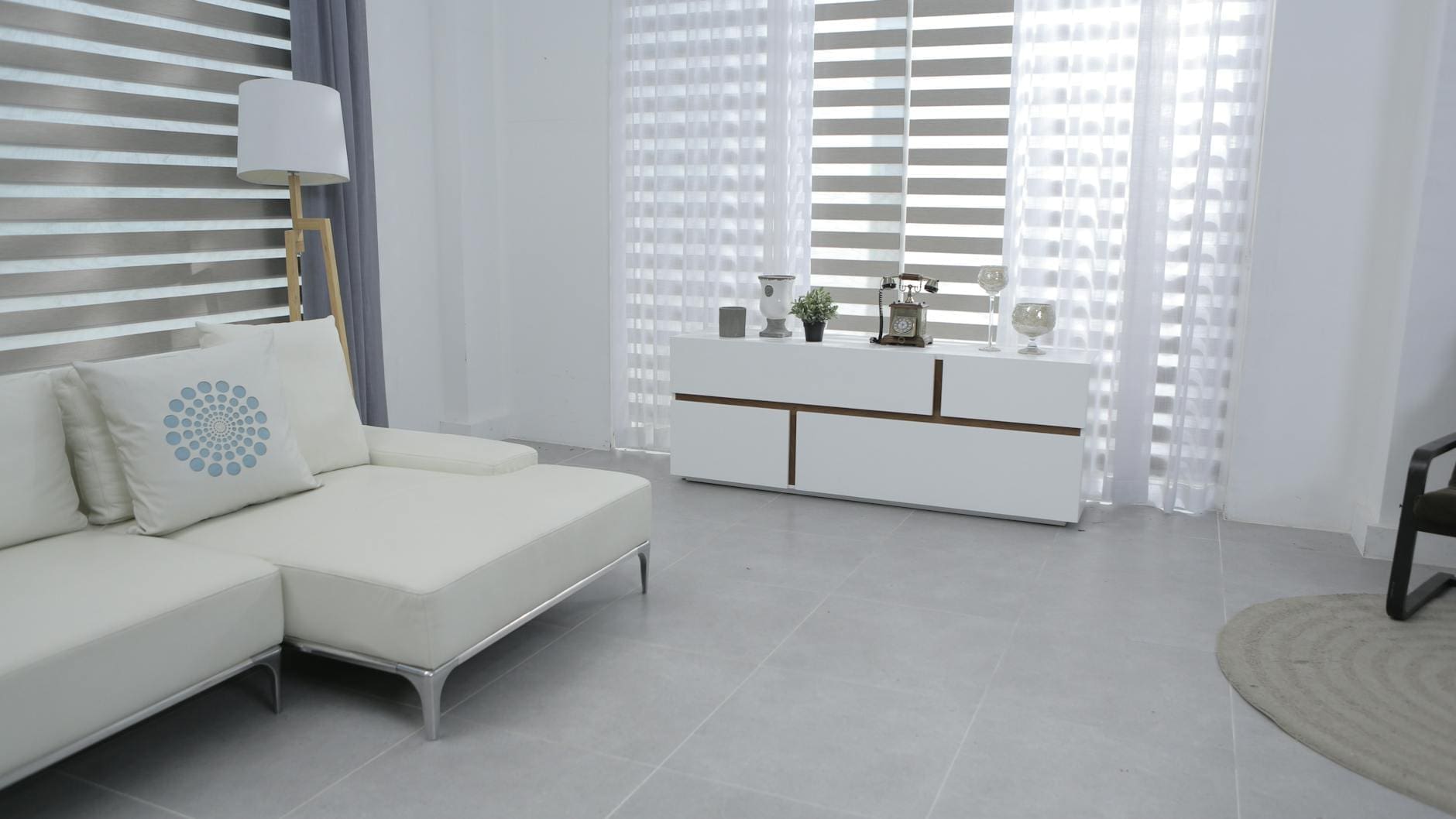
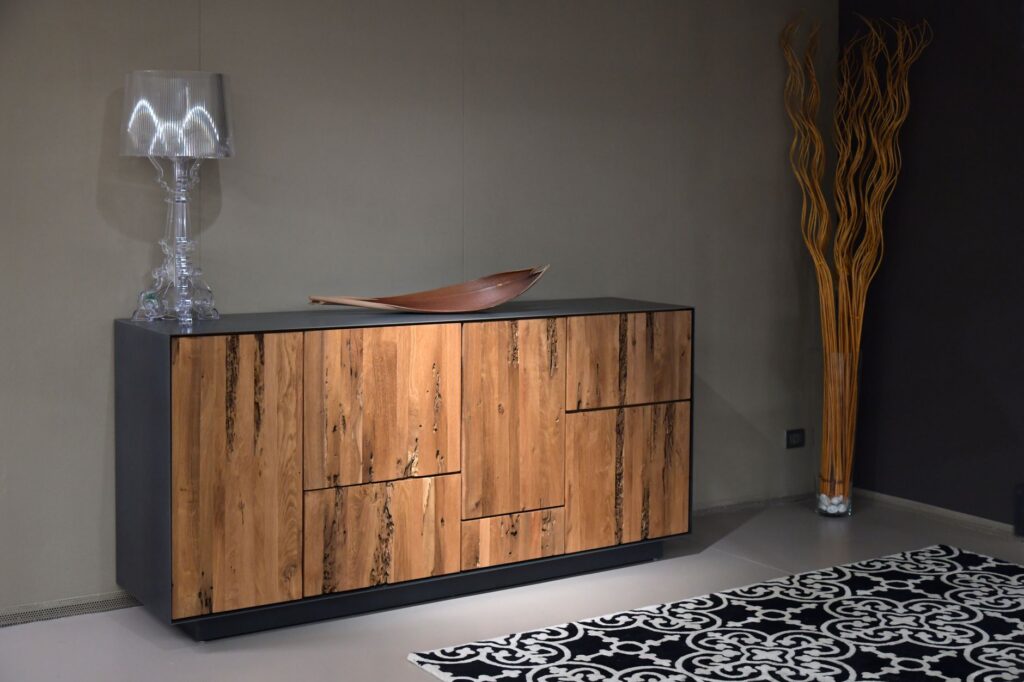
If you’re drawn to clean lines and uncluttered spaces but worried your living room might end up feeling cold or uninviting, you’re not alone. The key to successful minimalist design isn’t about stripping everything away—it’s about choosing the right pieces that work harder and look better. Let’s walk through how to create a minimalist living room that’s both beautiful and genuinely livable.
Start With Multi-Functional Furniture
In minimalist spaces, every piece needs to earn its place. Your sofa is the obvious anchor, but look for designs with clean silhouettes and low-profile arms that don’t visually crowd the room. A streamlined sectional can define your seating area without requiring extra chairs, while a sofa with built-in storage underneath gives you a place to stash throws and remotes.
Coffee tables with hidden compartments or lift-tops serve double duty as both surface space and storage. Ottoman cubes can function as extra seating, footrests, or side tables depending on what you need that day. Budget-conscious shoppers can find clean-lined pieces starting around $300-500, while mid-range options ($800-1,500) often feature better construction and materials that’ll last longer. If you’re investing for the long haul, splurge pieces ($2,000+) in solid wood or quality upholstery become the foundation of your room for years to come.
Choose a Cohesive Color Palette
Minimalism doesn’t mean everything has to be white and gray—though those are certainly popular starting points. The trick is limiting yourself to 2-3 main colors throughout the space. Neutrals like warm beige, soft gray, or creamy white create a calm foundation, while you can add depth with black metal accents or wood tones.
If you want color, pick one accent shade and use it sparingly. A rust-colored throw pillow, a sage green armchair, or a navy area rug can add personality without overwhelming the space. When shopping for upholstered furniture, stick with solid fabrics rather than patterns—they’re more versatile and won’t compete with the room’s overall serenity. Leather and linen are particularly good choices because they age beautifully and maintain that pared-back aesthetic.
Embrace Strategic Storage Solutions
Here’s the reality: you have stuff, and it needs to go somewhere. In minimalist living rooms, the goal is keeping everyday items out of sight while maintaining easy access. A low-profile media console with closed cabinets hides electronics, cords, and media collections while providing a clean surface for just one or two decorative objects.
Floating shelves work well if you’re naturally tidy and can commit to displaying only a carefully curated selection of books or objects—think five beautiful books rather than fifty mismatched ones. Wall-mounted cabinets eliminate visual weight at floor level, making rooms feel more spacious. If you have collections or items you’re not ready to part with, choose one enclosed storage piece—like a streamlined credenza or a storage bench—where things can live behind closed doors.
Select Statement Pieces Carefully
With fewer items in the room, each one gets more attention. This is where you can have some fun. A sculptural floor lamp, an oversized piece of artwork, or a unique accent chair becomes a focal point without cluttering the space. The key is choosing one or two statement makers rather than filling every corner.
For lighting, consider pieces that double as art—an architectural floor lamp or a striking pendant if your living room allows for overhead fixtures. Area rugs in natural materials like jute or wool add warmth and texture while maintaining the minimalist vibe. A single large-scale plant (think a fiddle leaf fig or a bird of paradise) brings life to the room without requiring multiple smaller plants scattered around.
When it comes to window treatments, simple roman shades or sheer curtains maintain clean lines better than heavy drapes. If privacy isn’t an issue, leaving windows bare maximizes natural light and emphasizes that uncluttered aesthetic.
Creating a minimalist living room is really about being more selective, not more spartan. Choose furniture that serves multiple purposes, stick with a limited color palette that feels cohesive, invest in smart storage that keeps clutter contained, and select a few meaningful pieces that bring you joy. The result is a space that’s easier to maintain, more peaceful to spend time in, and genuinely reflects how you want to live—not just how you think a minimalist room should look.
You need more storage in your living room, but a bulky bookcase feels too heavy and floating shelves aren’t cutting it. A credenza might be exactly what you’re looking for—it’s that low-profile cabinet that gives you tons of hidden storage while creating a beautiful surface for lamps, plants, and the things you actually want to […]
If you’ve been hitting snooze repeatedly or dragging yourself out of bed feeling groggy, you’re not alone. Waking up to a jarring alarm in a dark room works against your body’s natural rhythms, especially during winter months. A sunrise alarm clock mimics natural dawn, gradually filling your room with light to ease you awake. But […]
Waking up at 3 a.m. with a sweaty neck and flipping your pillow to the cool side for the fourth time isn’t just annoying—it’s robbing you of quality sleep. If you’re a hot sleeper, your pillow might be trapping heat against your head and neck all night long. The good news? The right cooling pillow […]