You love the calm, uncluttered look of minimalist interiors, but worry that stripping down your space means living with hard surfaces and cold aesthetics. The good news? True minimalism isn’t about deprivation—it’s about intentional choices that bring both peace and comfort to your home. Let’s walk through how to create a space that’s beautifully simple without feeling stark or unwelcoming.
Choose Quality Furniture with Substance
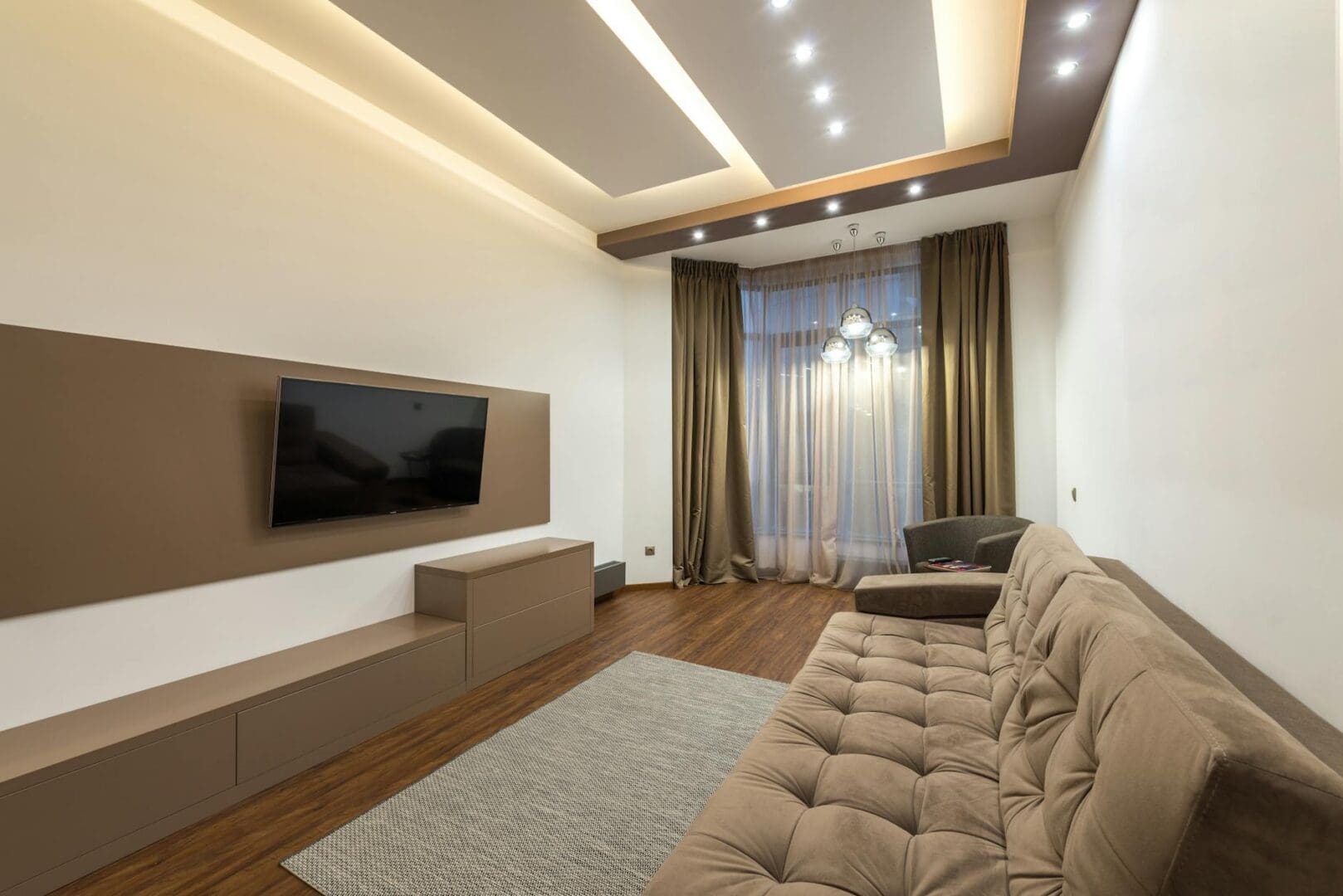
The foundation of comfortable minimalism is investing in fewer, better pieces. Instead of filling a room with multiple seating options, select one exceptional sofa with proper cushioning and supportive construction. Look for pieces with clean lines but generous proportions—a low-profile sectional can be minimalist in style while offering plenty of lounging space.
When shopping, pay attention to seat depth and cushion density. A sleek modern sofa shouldn’t mean sacrificing the ability to actually relax. Budget-friendly options start around $800-1,200 for a quality sofa, while mid-range pieces ($2,000-4,000) often feature better frame construction and more durable upholstery. Platform beds with upholstered headboards deliver minimalist style while keeping your bedroom cozy—avoid the temptation to go too sparse with just a mattress on a metal frame unless you genuinely find that comfortable.
Layer Textures to Add Warmth
Here’s where minimalism gets interesting: you can maintain visual simplicity while adding physical comfort through texture. A neutral color palette doesn’t mean everything needs to be smooth and hard. Think linen throw pillows on that streamlined sofa, a chunky knit blanket draped over a reading chair, or a natural fiber area rug anchoring your seating area.
Wool, cotton, linen, and jute all work beautifully in minimalist spaces because they add tactile interest without visual clutter. A textured area rug (8×10 sizes typically run $200-600 for natural fibers) instantly makes a room feel more inviting while defining your space. Layering a sheepskin or textured throw over a simple chair adds comfort without compromising the clean aesthetic. The key is keeping your color story cohesive—creams, grays, warm whites, and natural tones—so the variety of textures doesn’t read as busy.
Be Strategic with Softness
Minimalism doesn’t mean bare windows and exposed bulbs. The trick is choosing functional comfort items that serve a purpose while maintaining clean lines. Blackout curtains in natural linen provide privacy and light control while softening hard walls and windows. Floor lamps with fabric shades give warm, diffused light that’s easier to live with than stark overhead lighting.
In the bedroom, quality bedding makes all the difference. You can have a streamlined bed with a simple upholstered frame, but layer it with a supportive mattress, breathable cotton sheets, and a substantial duvet. Keep the bed made with a simple coverlet or duvet cover in a solid color, and add just two or four pillows—enough for comfort, not so many that it feels fussy. Budget around $150-300 for quality sheet sets and $200-500 for a good duvet insert and cover.
Edit, Don’t Eliminate
The biggest mistake people make with minimalism is removing too much too fast. Start by editing your accessories down to items that are either highly functional or genuinely meaningful. A beautiful ceramic vase, a few favorite books on a simple shelf, or a single piece of art can provide visual interest without clutter.
Storage furniture is your best friend here. An ottoman with hidden storage, a streamlined media console with closed cabinets, or a bedroom dresser with clean drawer fronts keep necessary items out of sight. When everything has a designated home, you can maintain that serene minimalist look while still owning the things that make daily life comfortable. Look for storage pieces in natural wood tones or matte finishes that blend rather than compete for attention.
Creating a minimalist home that actually feels good to live in comes down to being selective, not restrictive. Choose substantial, well-made furniture pieces that invite you to sit and stay. Add warmth through natural textures and soft layers. Keep your color palette simple so individual elements can shine. When you approach minimalism as curating comfort rather than eliminating it, you’ll end up with a home that’s both calming to look at and genuinely pleasant to live in—exactly what your space should be.
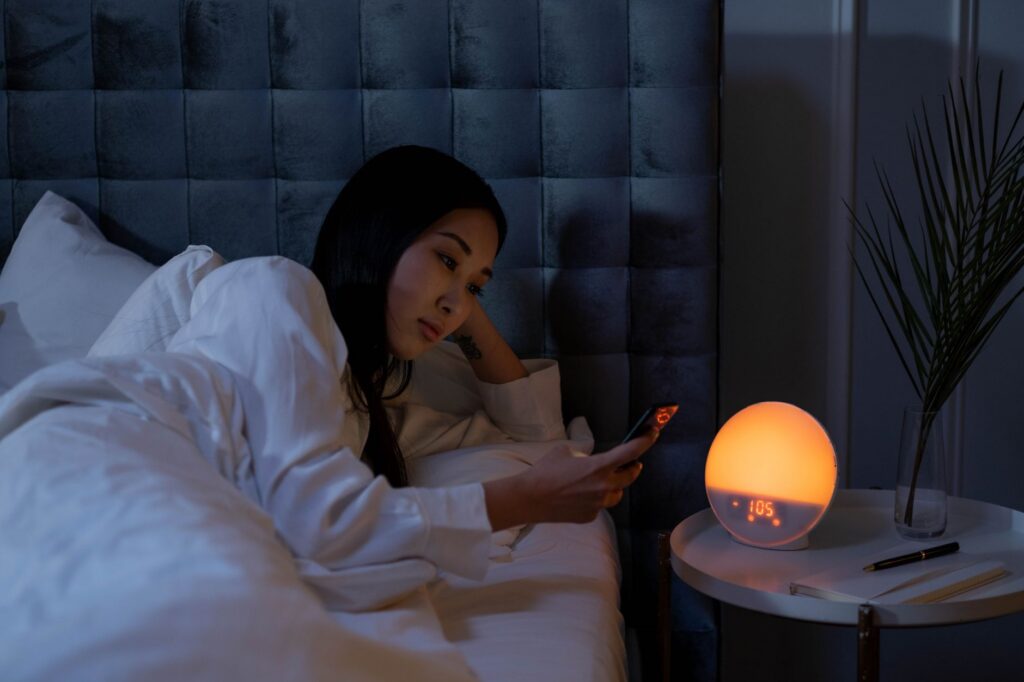
If you’ve been hitting snooze repeatedly or dragging yourself out of bed feeling groggy, you’re not alone. Waking up to a jarring alarm in a dark room works against your body’s natural rhythms, especially during winter months. A sunrise alarm clock mimics natural dawn, gradually filling your room with light to ease you awake. But […]
Waking up at 3 a.m. with a sweaty neck and flipping your pillow to the cool side for the fourth time isn’t just annoying—it’s robbing you of quality sleep. If you’re a hot sleeper, your pillow might be trapping heat against your head and neck all night long. The good news? The right cooling pillow […]
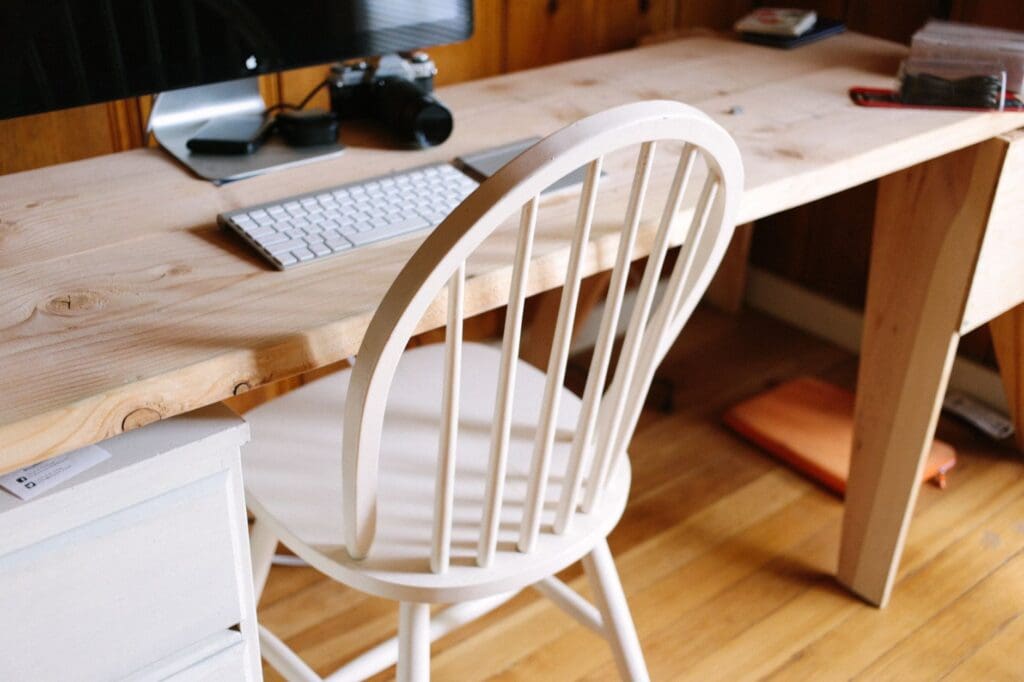
If you’re working from home or spending hours at your desk, you’ve probably noticed that not all chairs are created equal. That bargain office chair seemed fine at first, but now your back aches by mid-afternoon. You’ve been eyeing ergonomic chairs, but with price tags that can run three to ten times higher than regular […]