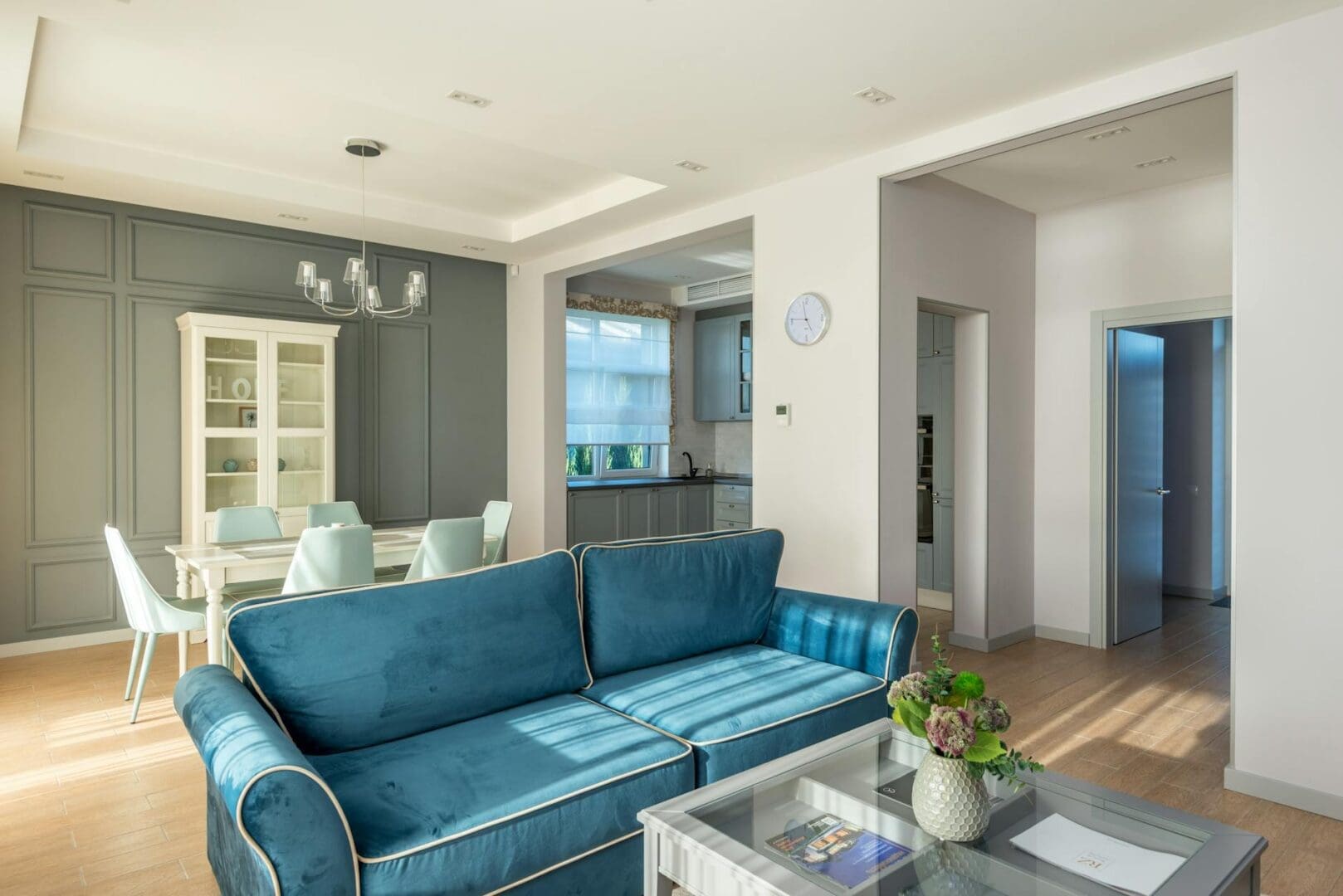
If your living room is starting to feel a little dated, you’re not alone. The good news? 2026 is bringing some genuinely exciting furniture trends that balance comfort with style—and many of them are surprisingly practical. Whether you’re planning a complete room refresh or just want to swap out a key piece or two, knowing what’s current can help you make choices you’ll love for years to come.
Curved and Organic Shapes Take Center Stage
Sharp angles and boxy silhouettes are giving way to softer, more sculptural forms. Curved sofas—think gentle arcs and kidney-bean shapes—are everywhere right now, and they’re not just pretty to look at. These rounded designs actually encourage conversation and create a more inviting flow in your space.
Look for sofas with curved backs or semicircular sectionals that wrap around your seating area. Armchairs with rounded edges and oval coffee tables complement this aesthetic beautifully. If you’re shopping for these statement pieces, expect to pay around $1,200-$2,000 for a quality curved loveseat, while full curved sectionals can range from $2,500-$5,000 depending on size and upholstery.
The key when shopping: make sure the curves don’t sacrifice comfort. Sit in the piece and check that the back still provides proper support despite the rounded design. Not every curved sofa is created equal.
Sustainable and Natural Materials Are Non-Negotiable
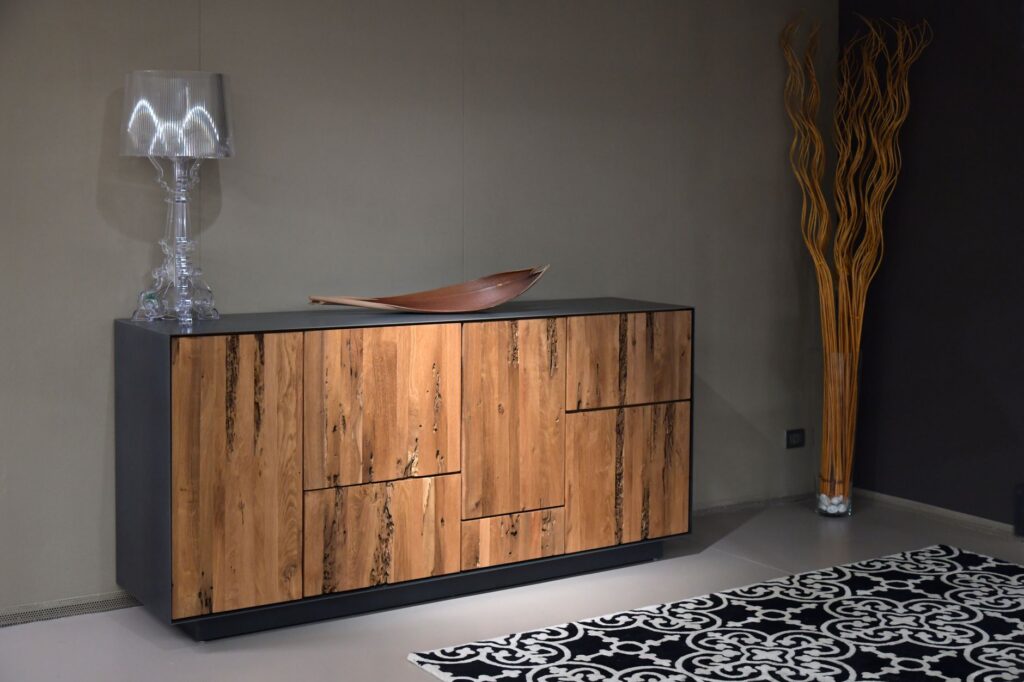
Furniture made from reclaimed wood, responsibly harvested materials, and natural fibers isn’t just a trend—it’s becoming the baseline expectation. You’ll see more coffee tables crafted from salvaged wood with visible grain and character, rattan accent chairs that bring warmth and texture, and sofas upholstered in organic cotton or linen.
Bouclé fabric continues its moment but is being joined by other tactile, natural textiles like chunky weaves and stone-washed linen. These materials age beautifully and bring an earthy, grounded feeling to your space.
When evaluating sustainable pieces, look for certifications like FSC (Forest Stewardship Council) for wood furniture or GOTS (Global Organic Textile Standard) for upholstered items. Budget-friendly options start around $400-$600 for accent chairs in natural materials, while investment pieces in reclaimed wood can run $1,500-$3,000.
Modular and Multi-Functional Pieces Solve Real Problems
Here’s where 2026 trends get really practical. Modular sectionals that you can rearrange aren’t new, but the designs are getting smarter. Look for pieces that can shift from a traditional L-shape to separate seating clusters, or ottomans that work as extra seating, coffee tables, and storage all at once.
Nesting tables are having a major resurgence—they tuck away when you need floor space but expand when you’re entertaining. Console tables that extend into dining tables and storage benches that double as coffee tables are especially popular in smaller living spaces.
The beauty of this trend is the flexibility. A quality modular sectional (typically $2,000-$4,000) can adapt as your needs change, making it a smarter long-term investment than a traditional sofa. Look for pieces with easy-to-move components and hardware that won’t loosen over time.
Rich, Earthy Color Palettes Replace Cool Grays
After years of gray dominating living rooms, we’re seeing a major shift toward warmer, more grounded tones. Think terracotta, rust, olive green, warm caramels, and creamy off-whites. Even wood tones are trending warmer—honey oak and walnut are replacing the cooler espresso finishes.
This doesn’t mean you need to replace everything at once. A new accent chair in burnt orange or a coffee table in warm oak can shift your entire room’s feeling. Upholstered pieces in these colors work especially well because they create coziness without overwhelming your space.
If you’re hesitant to commit to color on large pieces, try it first on smaller items like ottomans ($200-$500) or accent chairs ($400-$900). You can always go neutral on your sofa and bring in warmth through secondary pieces.
These trends share something important: they’re all about creating living rooms that feel genuinely comfortable and personal rather than showroom-perfect. Whether you embrace the curves, invest in sustainable pieces, or just warm up your color palette, the key is choosing furniture that works for how you actually live. Start with the piece that feels most urgent—usually the sofa or main seating—and build from there. Your living room should feel like the best version of home, not a magazine spread you’re afraid to touch.
You need more storage in your living room, but a bulky bookcase feels too heavy and floating shelves aren’t cutting it. A credenza might be exactly what you’re looking for—it’s that low-profile cabinet that gives you tons of hidden storage while creating a beautiful surface for lamps, plants, and the things you actually want to […]
If you’ve been hitting snooze repeatedly or dragging yourself out of bed feeling groggy, you’re not alone. Waking up to a jarring alarm in a dark room works against your body’s natural rhythms, especially during winter months. A sunrise alarm clock mimics natural dawn, gradually filling your room with light to ease you awake. But […]
Waking up at 3 a.m. with a sweaty neck and flipping your pillow to the cool side for the fourth time isn’t just annoying—it’s robbing you of quality sleep. If you’re a hot sleeper, your pillow might be trapping heat against your head and neck all night long. The good news? The right cooling pillow […]