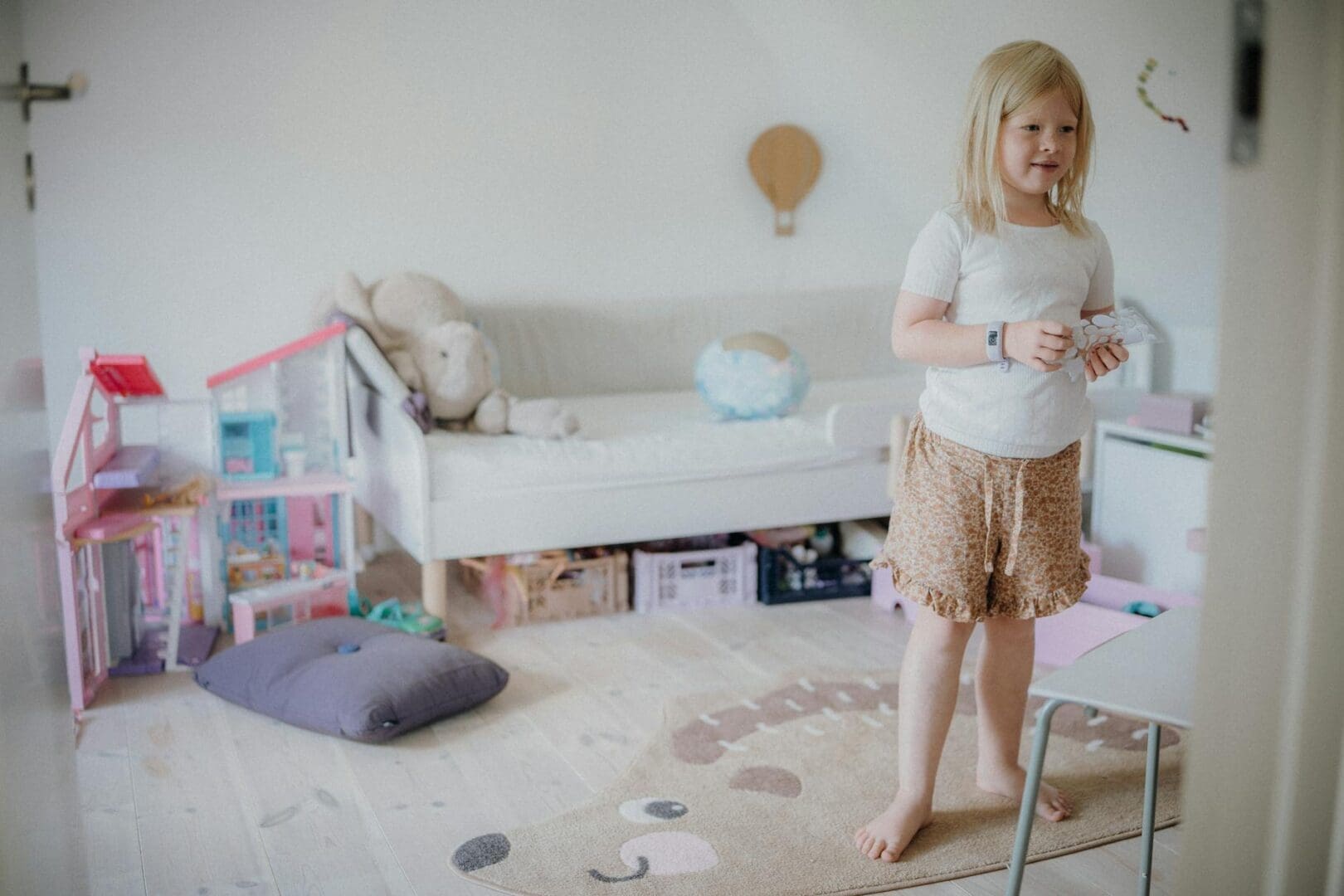
If you’ve ever decorated a nursery only to redecorate it three years later, you know the frustration. Kids’ tastes change fast, and constantly updating their bedroom gets expensive. The good news? With some strategic planning, you can create a space that adapts as your child grows from elementary school through their teenage years—without requiring a complete overhaul every few years.
Start With Furniture That Has Staying Power
The biggest money-saver is choosing furniture that won’t look babyish in five years. Skip the toddler bed shaped like a race car and go straight to a twin or full-size bed with a simple frame. A wooden platform bed in natural oak or white works for a six-year-old and a sixteen-year-old equally well. Budget options start around $150 for basic frames, while solid wood frames that’ll truly last run $400-$800.
For dressers and nightstands, stick with classic silhouettes in neutral finishes. A three-drawer dresser in white, gray, or natural wood doesn’t scream “kid’s room” and won’t need replacing when your child hits middle school. Look for quality construction—dovetail joints and solid wood drawer boxes mean furniture that survives years of use. Expect to spend $300-$500 for a dresser that’ll go the distance.
Convertible pieces earn their keep in growing bedrooms. A desk that adjusts in height adapts as your child grows, and many come with hutches you can remove later for a cleaner, more mature look. Storage ottomans work as toy boxes now and extra seating for teenagers later.
Make Walls and Decor the Flexible Elements
Here’s where you let your child’s personality shine without making permanent decisions you’ll regret. Paint is cheap to change—a gallon runs $30-$60—so let your seven-year-old pick that purple accent wall. When they’re over it at twelve, an afternoon and a can of paint fixes everything.
Avoid wallpaper with cartoon characters or overly juvenile patterns. Instead, choose removable wall decals that peel off without damage. Your dinosaur-obsessed kindergartner becomes a space-loving fourth grader? Swap the decals for $20-$40 instead of repainting.
Keep bedding and curtains easy to update too. Solid-colored sheets in quality cotton ($40-$80 for a set) outlast character bedding, and you can add personality with an inexpensive duvet cover or throw pillows that swap out as interests change. Blackout curtains in neutral colors serve the same purpose at age five and fifteen.
Build in Smart Storage That Adapts
Storage needs shift dramatically as kids grow, so plan for flexibility. Cube organizers are MVPs here—they hold fabric bins full of toys for young kids, then later store books, sports equipment, or display items. A 9-cube organizer runs $60-$150 and reconfigures endlessly.
Install adjustable shelving rather than fixed shelves. What displays picture books today holds textbooks and trophies tomorrow. Floating shelves ($20-$40 each) let you change heights and arrangements as needs evolve. A good desk with drawers ($200-$500) transitions from craft station to homework hub to gaming setup.
Consider closed storage for at least some items. Cabinets or dressers with doors hide clutter regardless of age, while open shelving that looks cute with toy bins can look messy with teenage stuff.
Choose a Design Direction That Allows Evolution
Rather than committing to a theme, establish a color palette or style that matures gracefully. A coastal-inspired room with navy and white works for a toddler with sailboat decor and a teenager with surf posters. A natural, Scandinavian approach with wood tones and soft neutrals adapts from a toddler’s space to a young adult’s retreat by simply switching out accessories and art.
Lighting deserves thought too. Install a dimmer switch ($15-$30) so the ceiling fixture works for bedtime stories and late-night studying. Add a desk lamp that looks appropriate for any age—classic banker’s lamps or adjustable task lighting ($40-$100) never go out of style.
Creating a bedroom that grows with your child comes down to investing in quality neutral pieces where it counts, then layering in personality through easily changeable elements. Your wallet and your future self will thank you when you’re not furniture shopping every few years. Start with those foundational pieces—a real bed, solid storage, classic furniture—and you’re building a room that adapts rather than expires.
Shopping for a dresser for your child’s room feels different than buying one for yourself. You’re not just thinking about today—you’re wondering if it’ll survive the toddler years, hold up through elementary school, and maybe even make it to the teenage bedroom. The good news? With the right approach, you can find a dresser that […]
You’ve found the perfect bed frame, but now your old dresser looks completely out of place. Or maybe you’re starting fresh and wondering whether you need to buy a matching bedroom set. The truth is, coordinating your dresser and bed frame isn’t about finding exact matches—it’s about creating visual harmony through smart choices about style, […]
Adding a dresser to your walk-in closet can transform it from a simple hanging space into a fully functional dressing room. But unlike choosing a dresser for your bedroom, closet dressers have different requirements—they need to fit within existing dimensions, complement built-in systems, and maximize storage without creating obstacles. Whether you’re designing a new closet […]