Staring at a cramped living room or a narrow hallway that feels more like a tunnel? Before you knock down walls or move to a bigger place, there’s a much simpler solution sitting in the mirror aisle. When positioned thoughtfully, mirrors can genuinely transform how spacious a room feels—sometimes dramatically. Here’s how to make it work in your home.
Position Mirrors to Reflect Light and Views
The secret to making mirrors work their space-expanding magic is all about what they reflect. A mirror that bounces back a blank wall won’t do much for you, but one that captures natural light or an attractive view can literally double the visual interest in your space.
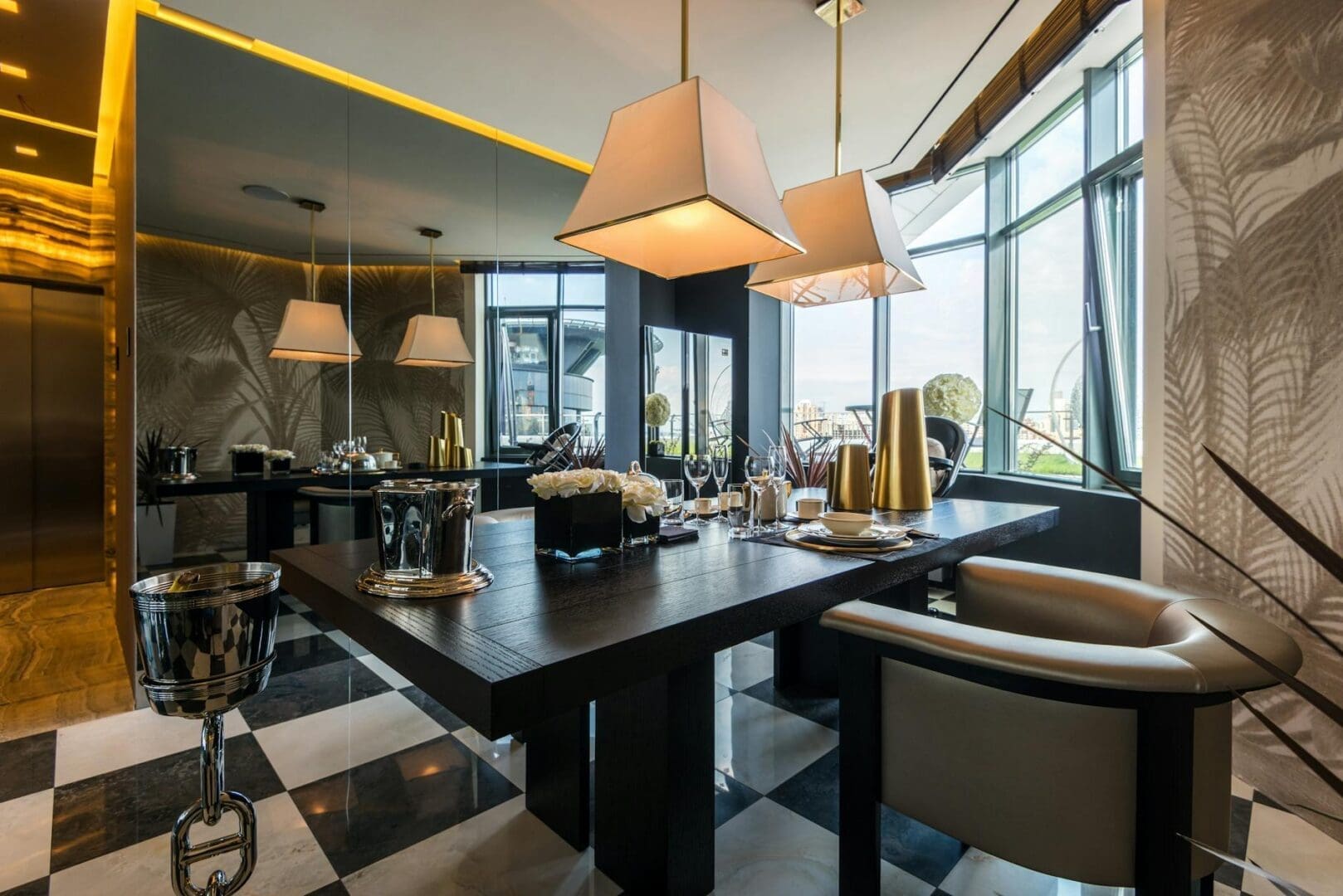
Place large mirrors directly across from windows to maximize natural light reflection. This works especially well in darker rooms or spaces with only one window. In living rooms, position a floor mirror or oversized wall mirror perpendicular to your main light source rather than directly opposite—this distributes light throughout the room without creating glare.
If you have an attractive architectural feature, a piece of art, or even a nicely styled bookshelf, angle a mirror to reflect it. This creates visual depth and gives the impression of additional square footage. Just avoid positioning mirrors where they’ll reflect clutter, unmade beds, or your TV screen.
Choose the Right Size and Style
Bigger really is better when your goal is expanding space. A collection of small decorative mirrors might look charming, but they won’t create the illusion of a larger room the way substantial mirrors can.
For living rooms and bedrooms, look for mirrors at least 30 inches in one dimension—ideally larger. Full-length floor mirrors (typically 65-70 inches tall) are particularly effective in bedrooms and can lean against walls for a casual look or mount securely for stability. In dining rooms, consider an oversized horizontal mirror spanning 40-60 inches to visually expand the space.
Frame style matters too. Frameless or thin-framed mirrors create a more seamless, expansive effect. Heavy, ornate frames can look beautiful but tend to draw attention to the mirror itself rather than the space it creates. For modern and minimalist spaces, frameless mirrors with polished edges work beautifully. Budget-conscious shoppers can find decent options starting around $80-150, while designer mirrors with quality frames run $300-800 or more.
Try Strategic Placement Techniques
Beyond the basics, certain placement strategies can maximize the space-enhancing effect:
Behind furniture: Mount a large mirror behind a console table in an entryway or behind a sideboard in a dining room. This creates surprising depth and makes the furniture appear to float.
In narrow hallways: Hang mirrors along one side of a cramped hallway to visually widen the space. Keep them at consistent heights for a gallery-like effect.
On closet doors: Mirrored closet doors in bedrooms serve double duty—functional dressing mirrors that also expand the room’s footprint.
Adjacent to doorways: Position mirrors next to doorways rather than on the wall facing the door. This draws the eye sideways and makes rooms feel wider.
Leaning oversized mirrors: Large floor mirrors (6-8 feet tall) leaning against walls create dramatic vertical lines that heighten ceilings visually.
One often-overlooked spot is above a fireplace mantel. A horizontal mirror here not only reflects light from windows but also emphasizes the room’s width.
Avoid Common Mirror Mistakes
A few placement errors can undermine your efforts. Hanging mirrors too high is the most common mistake—the center of your mirror should sit at eye level (around 57-60 inches from the floor). In dining rooms, make sure seated guests won’t catch awkward reflections of themselves eating.
Also resist the urge to hang matching mirrors on opposite walls. Rather than doubling your space, this creates a disorienting funhouse effect with infinite reflections. Stick to one substantial mirror per room, or use multiple mirrors on the same wall grouped as an installation.
The right mirror in the right spot can genuinely change how you experience a room. Start with your most light-starved or cramped space, choose a mirror large enough to make an impact, and position it to capture something worth reflecting. You might be surprised how much bigger—and brighter—your home suddenly feels.
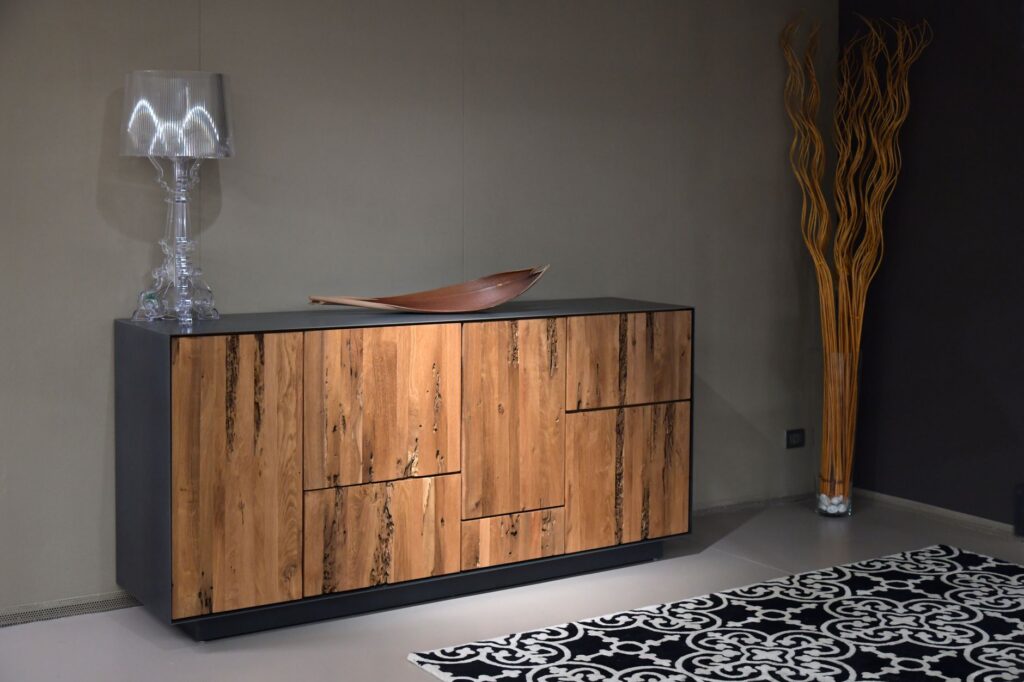
You need more storage in your living room, but a bulky bookcase feels too heavy and floating shelves aren’t cutting it. A credenza might be exactly what you’re looking for—it’s that low-profile cabinet that gives you tons of hidden storage while creating a beautiful surface for lamps, plants, and the things you actually want to […]
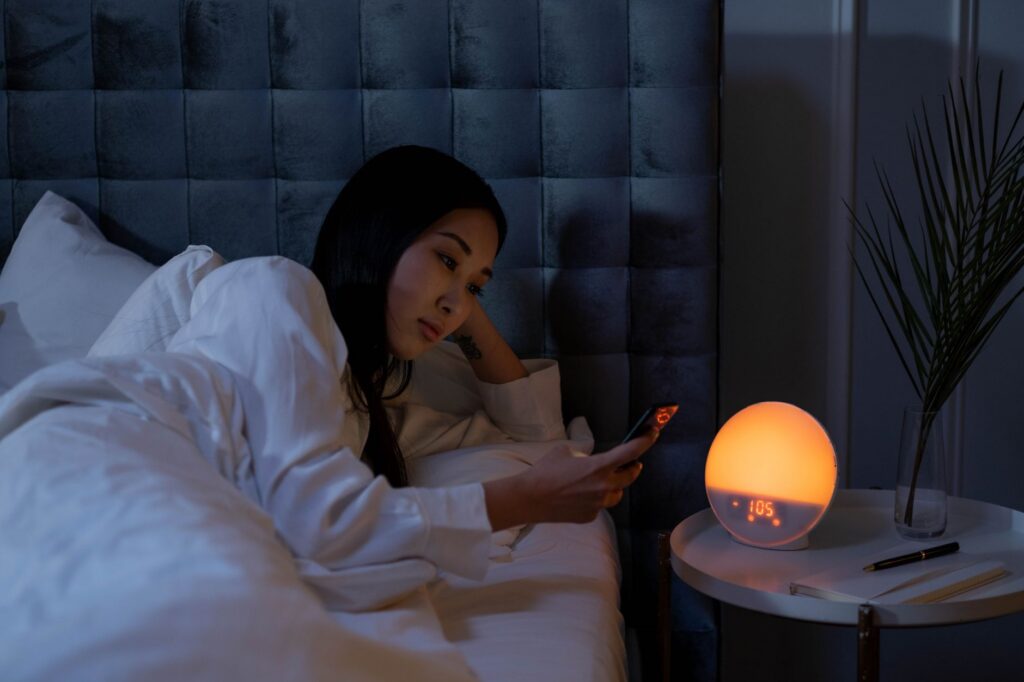
If you’ve been hitting snooze repeatedly or dragging yourself out of bed feeling groggy, you’re not alone. Waking up to a jarring alarm in a dark room works against your body’s natural rhythms, especially during winter months. A sunrise alarm clock mimics natural dawn, gradually filling your room with light to ease you awake. But […]
Waking up at 3 a.m. with a sweaty neck and flipping your pillow to the cool side for the fourth time isn’t just annoying—it’s robbing you of quality sleep. If you’re a hot sleeper, your pillow might be trapping heat against your head and neck all night long. The good news? The right cooling pillow […]