A small bedroom doesn’t have to feel cramped. Whether you’re working with a compact primary bedroom, a snug guest room, or a tight city apartment, the right furniture and styling choices can completely transform how spacious your room feels. The trick isn’t magic—it’s about being strategic with what you buy and how you arrange it.
Choose the Right Bed Frame and Placement
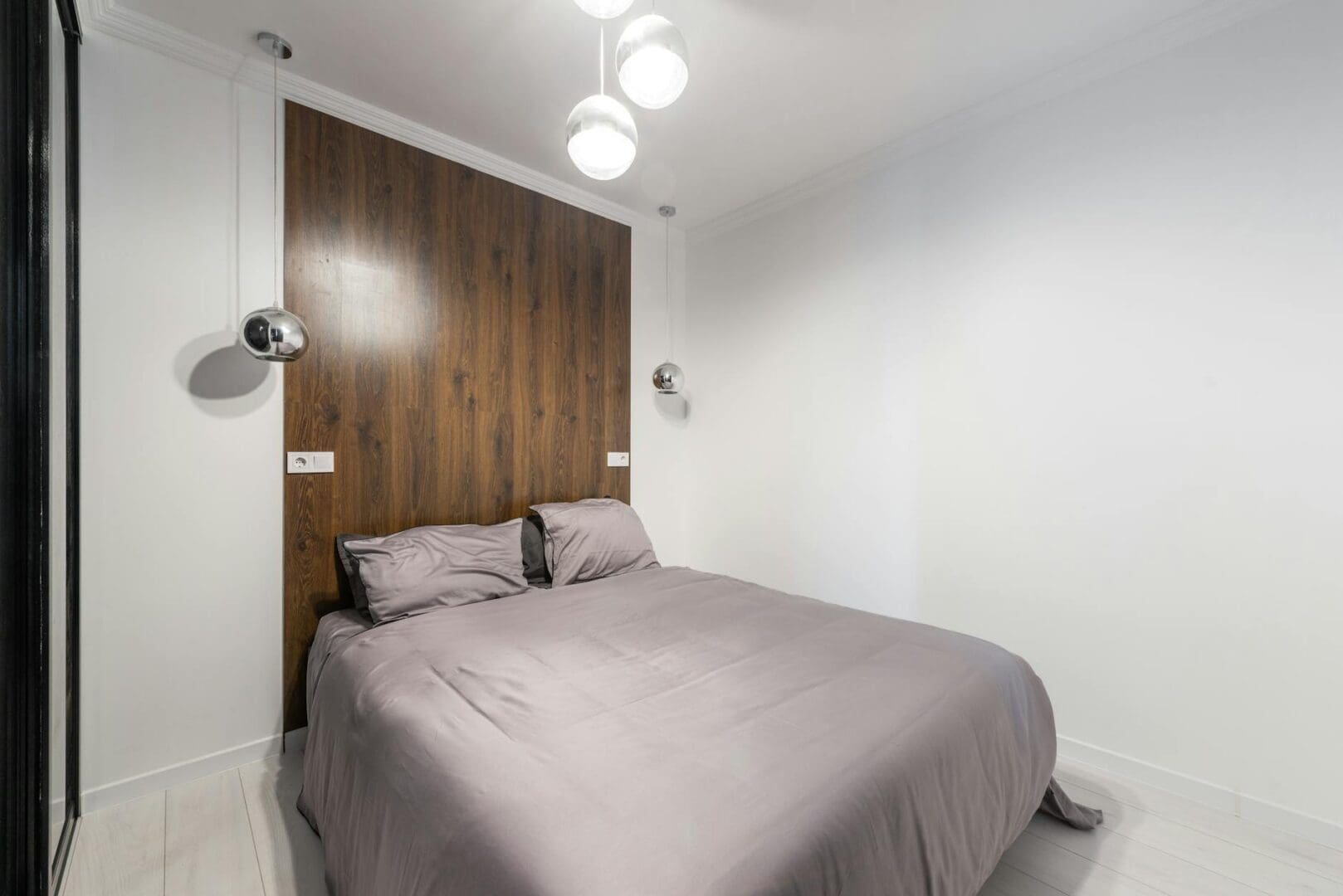
Your bed takes up the most space in any bedroom, so this decision matters most. Platform beds with low profiles create more visual space between the mattress and ceiling, making the room feel taller. Frames with exposed legs rather than solid bases let you see more floor, which tricks the eye into perceiving more square footage.
For tight quarters, consider storage beds with built-in drawers—they eliminate the need for a separate dresser and keep clutter hidden. You’ll find basic storage beds starting around $400, while solid wood options with premium hardware run $1,200 to $2,000. If your room is really tight, a wall-mounted Murphy bed (starting around $1,500) literally gives you your floor space back during the day.
Placement matters too. Pushing your bed against a wall or into a corner frees up walking space, though if you have a partner, you’ll want to weigh that against ease of access. Centering a bed on the longest wall often creates better flow in narrow rooms.
Select Multi-Purpose and Scaled-Down Furniture
Every piece of furniture in a small bedroom needs to earn its place. Nightstands with drawers or shelves serve as both surface and storage. Look for narrow profiles—12 to 18 inches deep instead of the standard 20 to 24 inches. Wall-mounted floating nightstands (around $80 to $300) create storage without taking floor space.
Skip the bulky dresser if you can store clothes in your closet or under-bed drawers. If you need one, choose a tall, narrow dresser over a wide, low one—vertical storage uses wall space without eating into your floor plan. A 5-drawer tall dresser typically measures 30 to 36 inches wide versus 60-plus inches for a standard 6-drawer dresser.
Consider furniture that does double duty: an ottoman with interior storage, a desk that functions as a vanity, or a bench at the foot of your bed that provides seating and concealed storage. These pieces typically range from $150 to $600 depending on materials and size.
Use Color and Light to Expand the Space
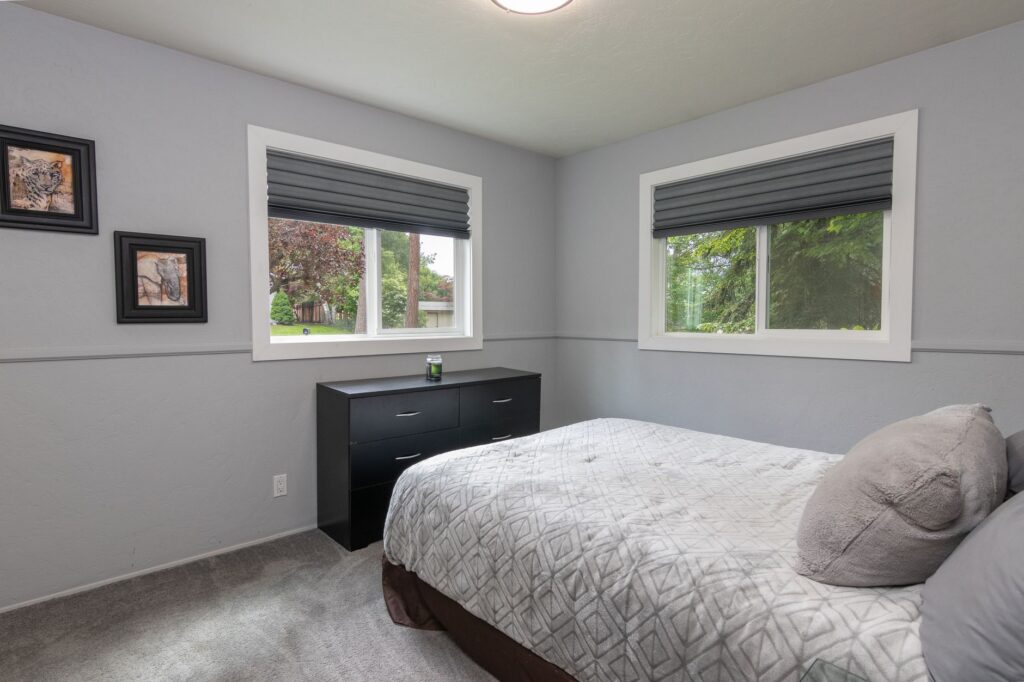
Light colors reflect more light and make walls recede, creating an airier feel. White, soft gray, pale blue, and warm beige all work beautifully in small bedrooms. This doesn’t mean everything must match—you can add darker accent pieces—but keeping your largest elements (walls, bedding, major furniture) in lighter tones opens up the room.
Mirrors are your best friend here. A large mirror (at least 30 by 40 inches) reflects light and creates the illusion of depth. Leaning a floor mirror against a wall opposite a window doubles your natural light. Mirrored nightstands or dresser panels add this effect more subtly. Budget $100 to $300 for quality framed mirrors, or $400-plus for larger statement pieces.
Lighting layers matter too. Instead of one harsh overhead fixture, combine a ceiling light with wall sconces or slim table lamps. Wall-mounted reading lights (around $60 to $200) free up nightstand space entirely. Good lighting eliminates dark corners that make rooms feel smaller.
Keep It Simple with Window Treatments and Decor
Heavy drapes can overwhelm small windows and darken rooms. Choose light-filtering curtains or simple roller shades that sit close to the window frame. Mount curtain rods close to the ceiling and let panels hang to the floor—this vertical line draws the eye up and makes ceilings feel higher.
When it comes to decor, less really is more. Instead of multiple small frames, hang one larger piece of art (around 24 by 36 inches or bigger). Keep surfaces relatively clear—one lamp and maybe a small plant or book stack on each nightstand, not a collection of items. This restraint prevents visual clutter that makes spaces feel busy and small.
Small bedrooms reward thoughtful choices over impulse buys. Before you shop, measure your space carefully and map out your layout. Look for furniture with clean lines, light finishes, and built-in storage. Prioritize pieces that serve multiple purposes and don’t be afraid of empty space—it’s actually making your room feel bigger. With these strategies in mind, you’ll find plenty of options that help your small bedroom live large.
Shopping for a dresser for your child’s room feels different than buying one for yourself. You’re not just thinking about today—you’re wondering if it’ll survive the toddler years, hold up through elementary school, and maybe even make it to the teenage bedroom. The good news? With the right approach, you can find a dresser that […]
You’ve found the perfect bed frame, but now your old dresser looks completely out of place. Or maybe you’re starting fresh and wondering whether you need to buy a matching bedroom set. The truth is, coordinating your dresser and bed frame isn’t about finding exact matches—it’s about creating visual harmony through smart choices about style, […]
Adding a dresser to your walk-in closet can transform it from a simple hanging space into a fully functional dressing room. But unlike choosing a dresser for your bedroom, closet dressers have different requirements—they need to fit within existing dimensions, complement built-in systems, and maximize storage without creating obstacles. Whether you’re designing a new closet […]