There’s something magical about gathering people around a beautifully set table. Whether you’re hosting an intimate dinner party or a holiday feast, the way you style your dining table sets the mood for the entire evening. But if you’ve ever stood there wondering where to start—or how to make it look polished without going overboard—you’re not alone. The good news? Creating an inviting tablescape is easier than you think when you understand a few key principles.
Start With Your Foundation Layers
Think of table styling like getting dressed—you start with the basics and build from there. Your foundation begins with the table itself, followed by linens that add texture and color.
A quality tablecloth or table runner creates instant polish. Linen and cotton blends are workhorses for entertaining because they’re durable, wash well, and have that relaxed-yet-refined look. Expect to spend $40-$80 for a good tablecloth, or $25-$50 for a runner. If you prefer showing off your table’s wood grain, consider placemats instead—they define each setting while keeping things casual.
Layering is where things get interesting. Try a runner over a tablecloth, or mix textured placemats with a bare table. The key is choosing complementary colors and materials that don’t compete. A neutral base (white, cream, natural linen) gives you the most flexibility to change up your look with different accent pieces.
Create a Centerpiece That Works
Your centerpiece is the focal point, but it shouldn’t be a barrier to conversation. Nothing kills dinner party flow like guests craning their necks to see around a towering floral arrangement.
The magic number? Keep centerpieces under 12 inches tall, or go dramatically low—3 to 4 inches. Low arrangements in wide, shallow bowls or trays look expensive but let everyone see each other. Fresh flowers are classic, but branches, fruit in decorative bowls, or a collection of candles at varying heights work beautifully too.
For a 6-foot table, one substantial centerpiece works well. Longer tables look better with a repeated element—think three small vases with single stems, or a line of votives running down the center. Budget $30-$100 for fresh florals depending on the season, or invest in quality faux stems ($50-$150) that you’ll use for years.
Layer Your Place Settings Thoughtfully
Here’s where you bring individual attention to each guest. A well-composed place setting shows you care about the details.
Start with a charger plate if you have them—these larger decorative plates add visual weight and frame everything else. Layer your dinner plate on top, then the salad plate. Chargers typically run $15-$40 each for quality options in materials like rattan, wood, or metallic finishes.
Flatware placement follows traditional etiquette (forks left, knives and spoons right), but don’t stress about perfection. What matters more is that pieces are clean, polished, and coordinated. Mixing metals can look intentional and collected rather than matchy-matchy—just stick to two finishes maximum.
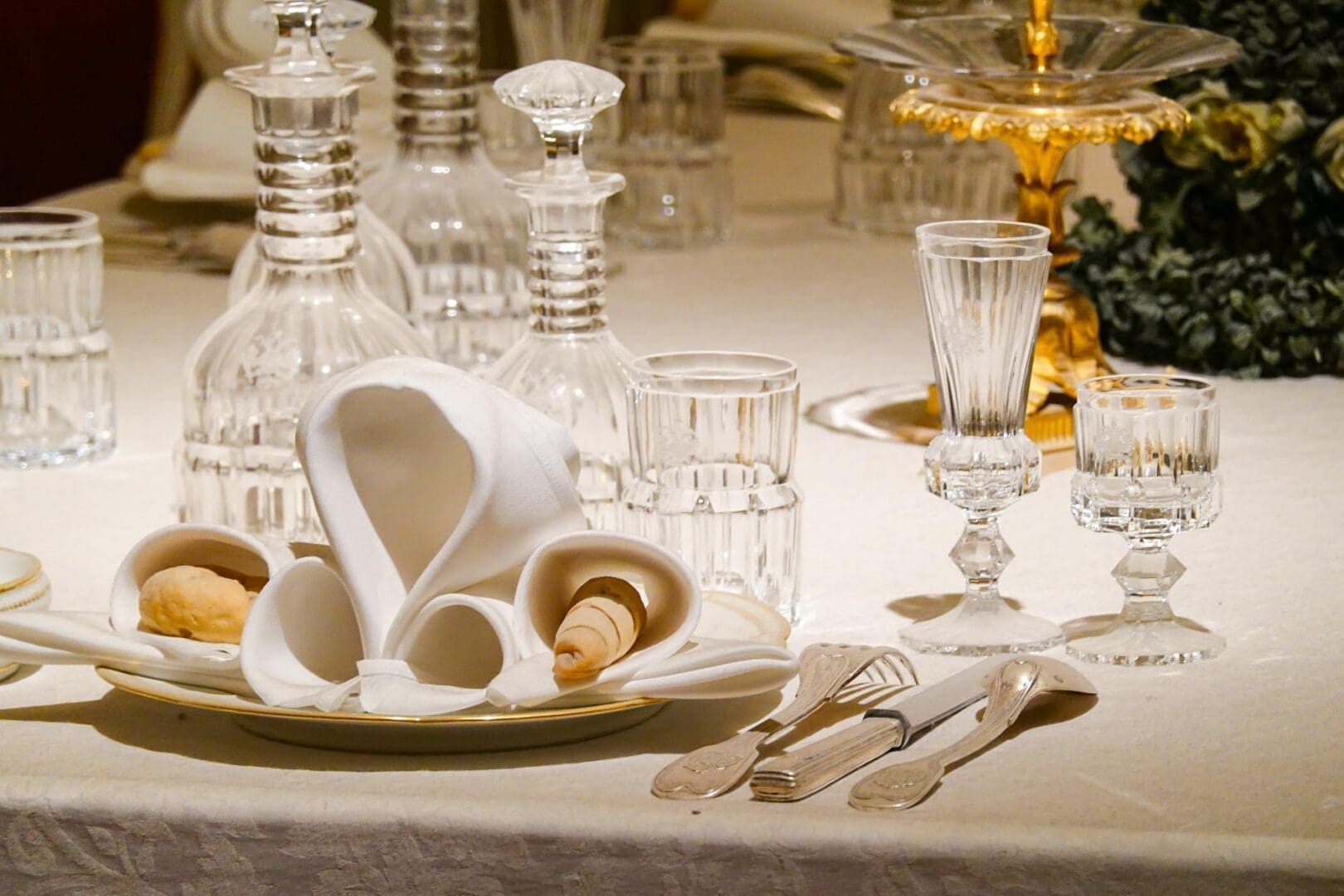
Fold napkins simply or use napkin rings for a finished look. Cloth napkins elevate any meal and you can find good sets for $25-$60. Place them on the plate, to the left of the forks, or tucked into a glass for visual interest.
Add the Finishing Touches
The final layer is what transforms a nice table into a memorable one. Glassware catches light and adds sparkle—water glasses are essential, wine glasses if you’re serving alcohol. Even simple glassware looks elegant when everything is spotless and arranged purposefully.
Lighting makes everything more flattering. Candles are your secret weapon here. Taper candles in candlesticks add height and drama, while votives or tea lights scattered down the table create warmth. Unscented candles are best for dining so they don’t compete with food aromas.
Small personal touches show thoughtfulness: place cards (handwritten are charming), a small favor at each setting, or a sprig of herbs tied to the napkin. These don’t need to be expensive—sometimes the simplest gestures make the biggest impact.
Remember, the goal isn’t perfection or looking like a magazine spread. It’s creating a welcoming space where your guests feel special and comfortable. Start with quality basics you’ll use repeatedly, then build your collection over time with pieces that reflect your personal style. Your table should feel like you—just a slightly more dressed-up version.
There’s something about farmhouse chandeliers that just works in a dining room—they bring warmth without being fussy, character without feeling overdone. But with so many styles calling themselves “farmhouse,” from sleek metal cages to chunky wood beam fixtures, figuring out which one belongs above your table can feel surprisingly tricky. The right chandelier should anchor […]
A sputnik chandelier makes a serious statement in a dining room—all those radiating arms and exposed bulbs create instant drama and mid-century appeal. But with so many variations in size, arm count, and finish, choosing the right one for your space can feel overwhelming. Get it right, though, and you’ve got a showstopper that pulls […]
When every square foot counts, bringing furniture into a small apartment feels like a high-stakes game of Tetris. You need storage desperately, but you’re terrified of making your space feel even more cramped. A sideboard can be the perfect solution—if you choose the right one. Let’s walk through exactly what to look for so you […]