Your dining table shouldn’t sit bare and uninviting between dinner parties. A thoughtfully styled everyday table makes meals feel special, anchors your dining room’s design, and can be surprisingly practical. The trick is finding that sweet spot between looking polished and staying functional for actual daily use—because what’s the point of beautiful styling if you’re constantly clearing it away?
Start With a Foundation Layer
The foundation sets the entire mood while protecting your table surface. Table runners are your best friend for everyday styling because they add visual interest down the center without covering the entire table, leaving plenty of clear space for plates and serving dishes. Choose a washable fabric like linen or cotton that can handle the occasional spill. Neutral tones work year-round, but don’t be afraid of subtle patterns or textured weaves that add dimension.
Alternatively, placemats offer protection right where you need it while keeping the center open for a statement piece. Budget-friendly woven or cork placemats run $20-40 for a set of four, while high-quality linen or leather versions range from $60-120. The beauty of placemats is you can leave them out all the time or store them nearby for quick setup.
If you prefer a completely bare table look, consider the wood finish itself as your foundation. Just keep felt pads or trivets handy to protect the surface during meals.
Choose a Practical Centerpiece
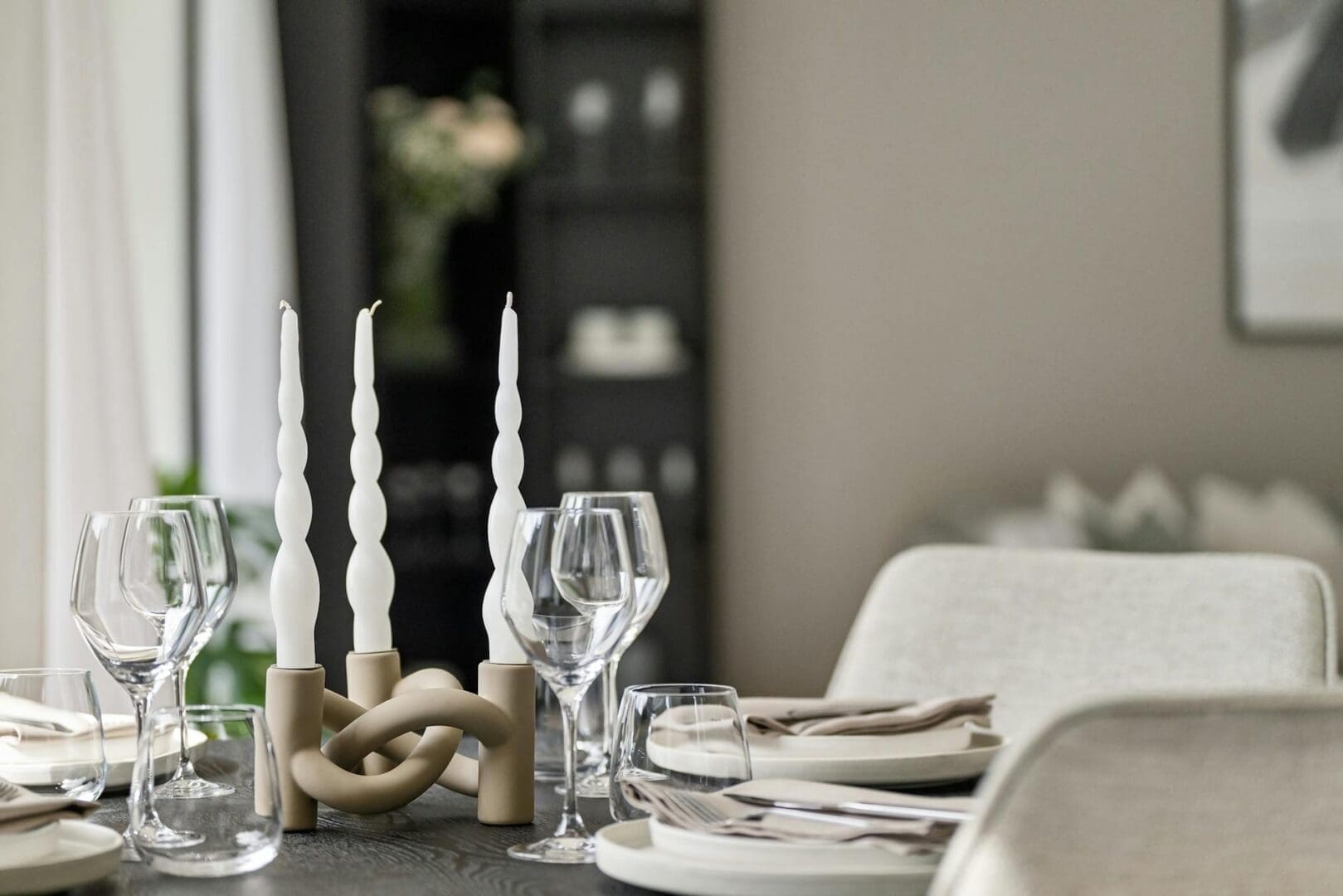
Your centerpiece does the heavy lifting in everyday table styling, but it needs to be low enough that people can see across the table and easy to move when you need the full surface. A low bowl or tray creates a contained zone that pulls everything together and makes items easy to shift aside as a single unit.
Inside that bowl or on that tray, think about what actually works with your lifestyle. A collection of pillar candles in varying heights adds ambiance without fuss—LED versions eliminate any worry about leaving them unattended. A simple vase with fresh greenery or branches brings life to the space, with hearty options like eucalyptus lasting weeks without much attention. Budget $15-30 for a good ceramic or glass vase, or splurge $75-150 on a statement piece in textured ceramic or colored glass.
Wooden dough bowls filled with seasonal fruits serve double duty as decor and snacks. Keep it simple with lemons, limes, or apples rather than delicate fruits that spoil quickly. Small potted herbs like basil or rosemary look fresh and can migrate to the kitchen when you’re cooking.
Layer in Functional Decor
The smartest everyday table styling includes items you actually use. A pretty salt cellar and pepper mill become part of the design rather than hiding in the cabinet. A handsome napkin holder with cloth napkins you’ll really use beats a pile of paper ones by the microwave.
Consider a tiered stand that holds fruit on the bottom level and keeps smaller items like tea bags, sweeteners, or vitamins organized on upper tiers. This vertical approach maximizes your centerpiece area without sprawl. Look for options in wood ($25-50), metal ($30-70), or ceramic ($40-100) depending on your style.
A beautiful carafe or pitcher for water encourages everyone to stay hydrated and looks infinitely better than a plastic bottle. This is especially smart if your dining table doubles as a workspace during the day.
Keep It Flexible for Real Life
The best everyday styling adapts quickly. Store a few coordinating pieces nearby so you can swap things seasonally without starting from scratch—think a lighter runner for summer, richer tones for fall. Keep your centerpiece elements in a pretty basket under a console or in a dining room cabinet so moving them takes five seconds when you need the full table for projects, homework, or a big meal.
Aim for a styling footprint that takes up no more than a third of your table’s length, leaving ample clear space. For a standard six-foot table, that means your runner and centerpiece combined shouldn’t exceed about two feet of the center space.
The dining table you use every day deserves to look intentional and inviting. With a simple foundation, a practical centerpiece you can move easily, and a few functional decorative pieces, you’ll create a space that feels styled without feeling stuffy—and actually works for your everyday life.
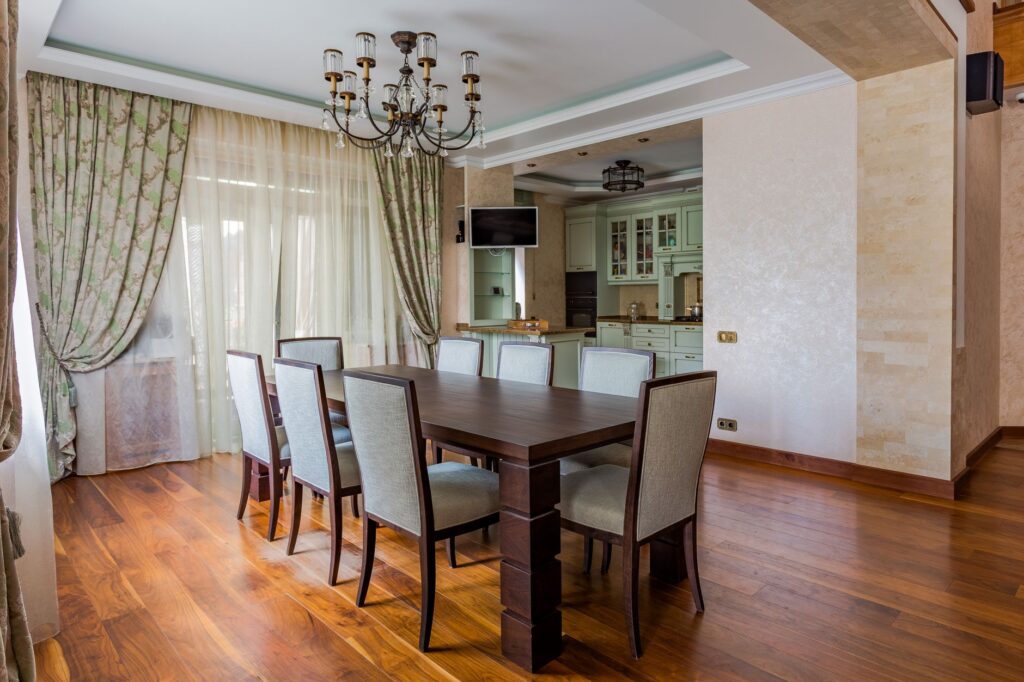
There’s something about farmhouse chandeliers that just works in a dining room—they bring warmth without being fussy, character without feeling overdone. But with so many styles calling themselves “farmhouse,” from sleek metal cages to chunky wood beam fixtures, figuring out which one belongs above your table can feel surprisingly tricky. The right chandelier should anchor […]
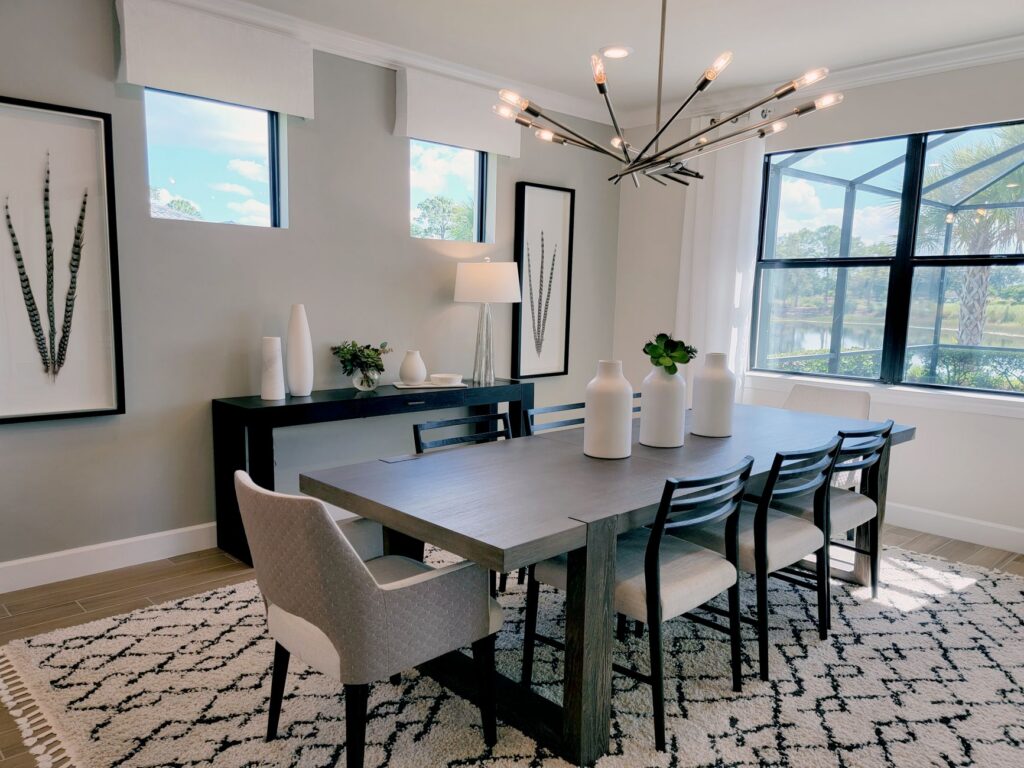
A sputnik chandelier makes a serious statement in a dining room—all those radiating arms and exposed bulbs create instant drama and mid-century appeal. But with so many variations in size, arm count, and finish, choosing the right one for your space can feel overwhelming. Get it right, though, and you’ve got a showstopper that pulls […]
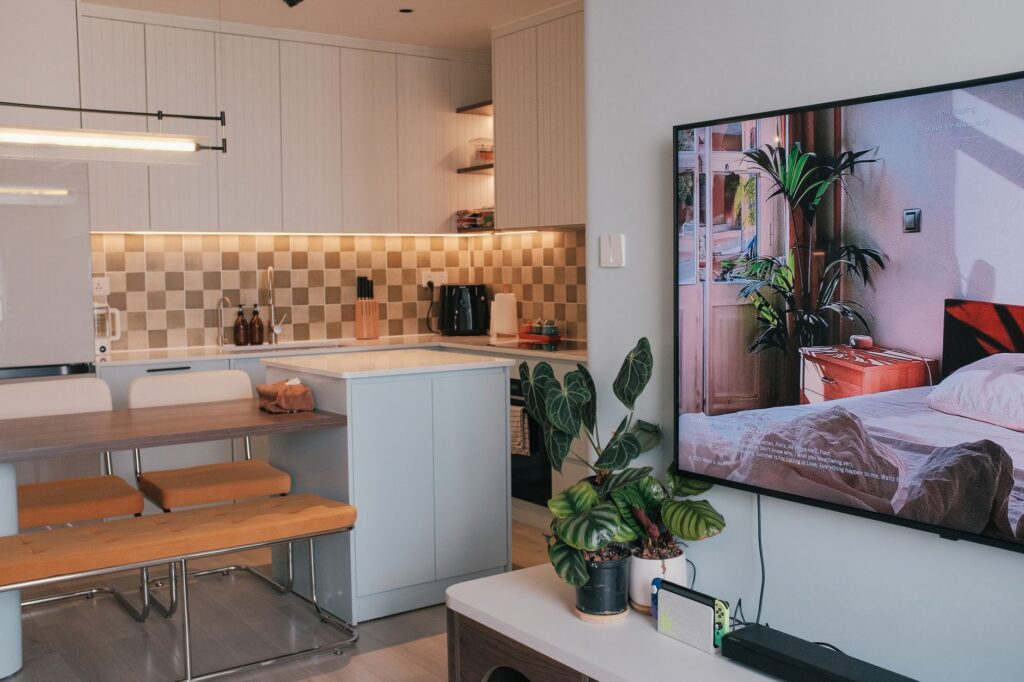
When every square foot counts, bringing furniture into a small apartment feels like a high-stakes game of Tetris. You need storage desperately, but you’re terrified of making your space feel even more cramped. A sideboard can be the perfect solution—if you choose the right one. Let’s walk through exactly what to look for so you […]