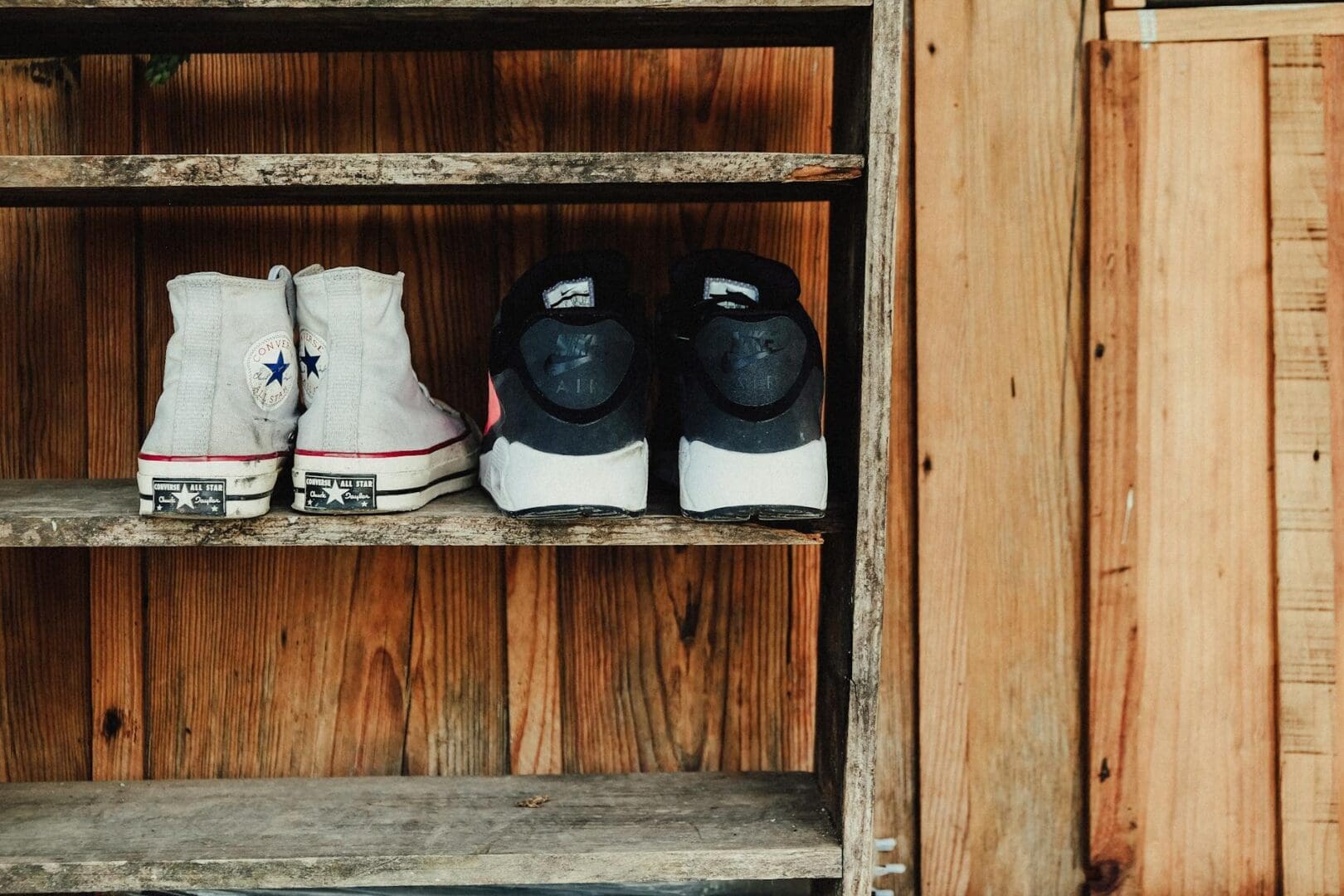
If you’re tripping over sneakers in the hallway or spending ten minutes searching for matching shoes every morning, you’re not alone. A family of four can easily accumulate 30 to 50 pairs of shoes, and without a proper system, that collection turns into chaos fast. The good news? With the right storage solutions and a bit of planning, you can create a shoe organization system that actually works for your household.
Calculate Your Actual Storage Needs
Before you buy anything, count how many pairs of shoes your family actually owns and wears regularly. Most adults keep 8-12 pairs in rotation, while kids might have 5-7 pairs depending on their age and activities. That’s roughly 26-38 pairs total, but you’ll want to plan for 40-50 pairs to allow for seasonal storage and growth.
Here’s where to focus your storage efforts:
Everyday shoes that need quick access near the door (think school shoes, work shoes, sneakers)
Seasonal shoes that can be stored elsewhere (winter boots in summer, sandals in winter)
Special occasion shoes that don’t need prime real estate
This breakdown helps you avoid over-investing in entryway storage when a bedroom closet system might handle half the load more efficiently.
Entryway Solutions That Handle Daily Traffic
Your entryway is ground zero for shoe chaos, so this is where you need the most functional storage. A shoe storage bench is your best friend here—it gives everyone a place to sit while putting on shoes and typically holds 6-12 pairs underneath. Look for benches with cubbies rather than open shelves; they contain the mess better and make it easier for kids to put shoes away correctly.
For budget-conscious families, a simple three-tier shoe rack ($25-$50) paired with wall hooks for backpacks creates a functional drop zone. Mid-range options ($100-$250) include hall trees with built-in shoe storage or modular cubby systems that can grow with your needs. If you have the space and budget, a custom mudroom unit with individual cubbies for each family member ($400-$800) eliminates the “whose shoes are these?” question entirely.
The key is making sure each family member has a designated spot. When everyone knows where their shoes belong, you’ll spend less time nagging and more time getting out the door on schedule.
Closet Systems for Long-Term Storage
Not every pair of shoes needs entryway access. Bedroom closets should handle dress shoes, seasonal footwear, and anything worn less than weekly. Over-the-door shoe organizers are incredibly space-efficient and perfect for kids’ rooms—the clear pockets make it easy to see what’s available, and they typically hold 12-24 pairs for under $30.
For adult closets, consider these options based on your space:
Slanted shoe shelves or angled racks that let you see all your options at once (great for walk-in closets)
Stackable shoe boxes with clear fronts for protecting nicer shoes while keeping them visible ($3-$8 per box)
Pull-out shoe racks that maximize deep closet spaces without requiring you to dig around in the back
If you’re storing off-season shoes, those inexpensive plastic shoeboxes are worth it. They protect boots and sandals from dust and make it easy to swap out seasonal inventory twice a year.
Creating a System That Sticks
The fanciest storage solution won’t work if your family doesn’t use it. Make the system as easy as possible: storage should be at the right height for each person (low cubbies for toddlers, higher racks for teens), and there should be enough space that shoes aren’t crammed in.
One strategy that works well is the “one in, one out” rule—when new shoes arrive, old ones get donated or tossed. This prevents gradual accumulation and keeps your storage from overflowing. Also consider a small basket or bin for shoes that need repair or cleaning; it keeps damaged shoes out of the main rotation without letting them pile up in random corners.
The right combination of entryway storage and closet solutions means everyone can find their shoes quickly and your home stays clutter-free. Start with your highest-traffic area, get that working smoothly, then tackle the secondary storage spaces. You’ll be amazed how much calmer your mornings become when the shoe situation is finally under control.
You need more storage in your living room, but a bulky bookcase feels too heavy and floating shelves aren’t cutting it. A credenza might be exactly what you’re looking for—it’s that low-profile cabinet that gives you tons of hidden storage while creating a beautiful surface for lamps, plants, and the things you actually want to […]
If you’ve been hitting snooze repeatedly or dragging yourself out of bed feeling groggy, you’re not alone. Waking up to a jarring alarm in a dark room works against your body’s natural rhythms, especially during winter months. A sunrise alarm clock mimics natural dawn, gradually filling your room with light to ease you awake. But […]
Waking up at 3 a.m. with a sweaty neck and flipping your pillow to the cool side for the fourth time isn’t just annoying—it’s robbing you of quality sleep. If you’re a hot sleeper, your pillow might be trapping heat against your head and neck all night long. The good news? The right cooling pillow […]