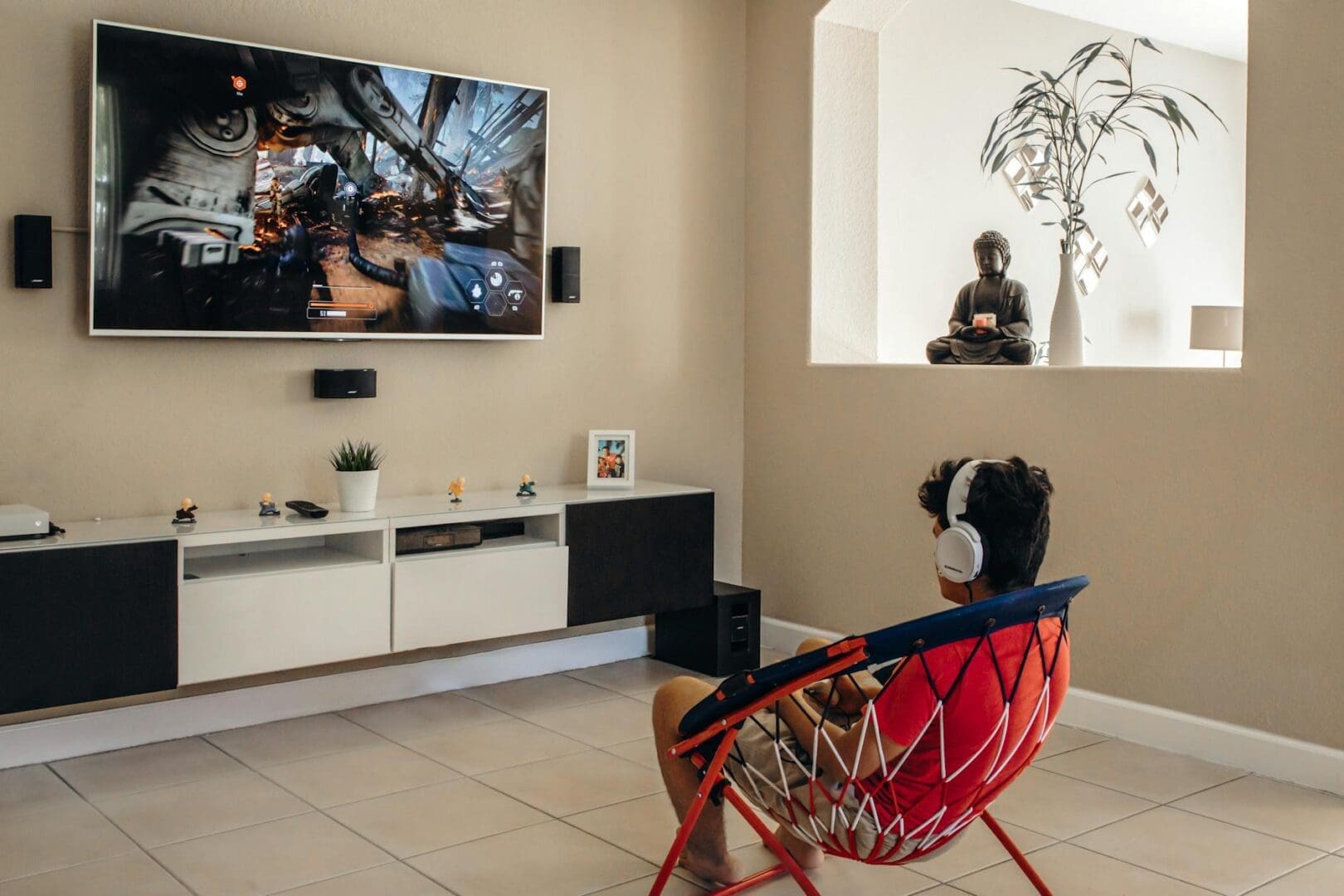
There’s nothing quite like a sleek TV setup to anchor your living room—until you notice those tangled cables snaking down the wall. Whether you’re renting, don’t want to damage your walls, or simply aren’t comfortable with power tools, drilling isn’t your only option. Let’s explore practical ways to tuck those cords out of sight and create the clean, polished look you’re after.
Use Cord Covers and Raceways
Cord covers are the most straightforward solution for wall-mounted TVs. These plastic or fabric channels attach to your wall with removable adhesive strips, creating a clean pathway from your TV down to the outlet or media console. Look for paintable options if you want them to blend seamlessly with your wall color—most people won’t even notice they’re there once painted.
Raceways come in various widths to accommodate multiple cables, and better models include rounded corners and connectors for professional-looking turns. Budget options start around $15-20 for a basic kit, while premium systems with better adhesive and smoother finishes run $40-60. The key is choosing a cord cover wide enough for all your cables without being bulky. Test the adhesive strength too—3M Command strips or similar heavy-duty options work best for longevity.
Strategic Furniture Placement
Sometimes the simplest solution is rethinking your layout. A well-positioned media console directly beneath your TV naturally conceals cords behind the furniture itself. Console tables with open backs make it easy to feed cables through while keeping the front view clean. If your TV sits on a stand rather than wall-mounted, opt for units with built-in cord management—cable pass-throughs, backing panels with cutouts, or enclosed compartments specifically designed to hide power strips and devices.
For wall-mounted setups, consider adding a floating shelf below your TV. This gives you a landing spot for devices like streaming boxes and soundbars while masking the vertical cord drop. Shelves that are 8-12 inches deep work well without protruding too far into the room. You can drape cords behind the shelf, then run them down the wall behind a narrow console or plant stand positioned below.
Fabric and Decorative Solutions
Get creative with fabric cord covers that double as design elements. Fabric wraps in various colors and patterns can camouflage cables against textured walls or bold accent colors. Some homeowners use tension rods with curtain panels to create an intentional backdrop behind their TV, completely hiding the wall and any cord management solutions.
Decorative cord sleeves made from woven fabric or braided materials can bundle multiple cables into one streamlined tube that looks more intentional than messy. These work especially well if you can route them along baseboards or behind furniture legs. For truly minimal visible cords, look for furniture pieces with integrated wire management—think sofas or console tables with discreet channels built into their backs. These typically fall in the $300-800 range but eliminate the cord problem entirely.
Cable Management Accessories That Work
Don’t underestimate the power of simple organizing tools. Adhesive cable clips attach to the back of furniture or along baseboards, guiding cords in neat lines rather than letting them dangle freely. Velcro cable ties bundle multiple cords together so you’re managing one tidy group instead of five separate wires.
For the area behind your media console, a cable box or basket collects the mess of power strips and excess cord length. Look for options with ventilation holes to prevent overheating. Floor cord covers are another option if you need to run cables across a room—these low-profile ramps protect cords from foot traffic while lying nearly flat against the floor. They’re particularly useful in apartments where you can’t always position furniture exactly where outlets exist.
The right combination of these approaches depends on your specific setup, but most people find success mixing two or three methods. A cord cover for the wall section, furniture placement for the lower portion, and cable clips for final touch-ups creates a cohesive system. The investment is minimal—usually under $50 total—and the visual improvement is immediate. Your TV area goes from cluttered afterthought to intentional design element, all without a single hole in your wall.
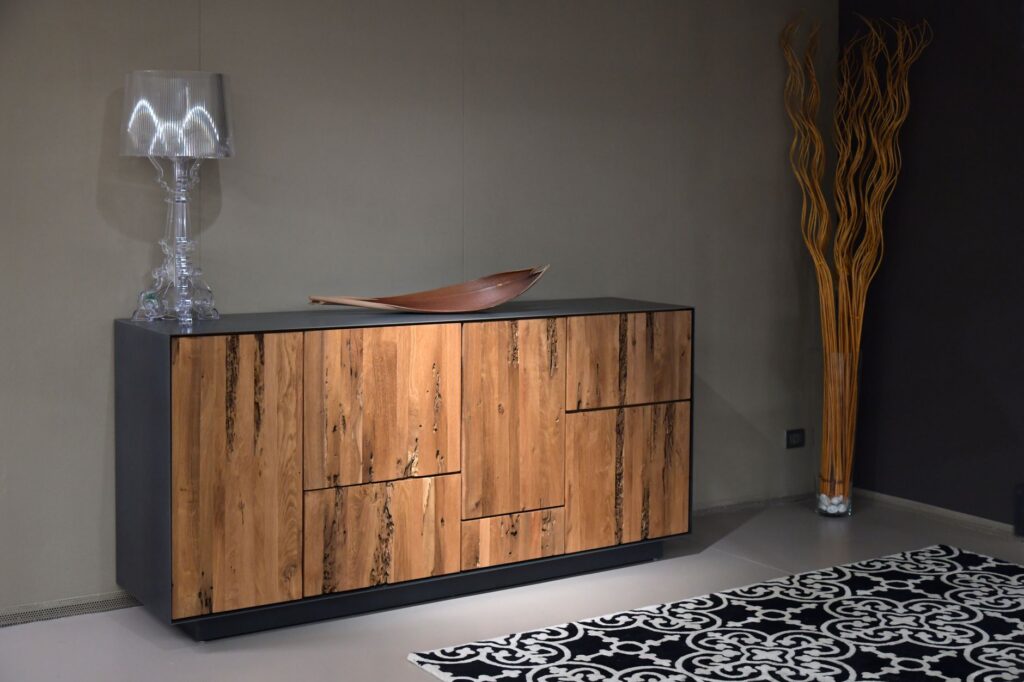
You need more storage in your living room, but a bulky bookcase feels too heavy and floating shelves aren’t cutting it. A credenza might be exactly what you’re looking for—it’s that low-profile cabinet that gives you tons of hidden storage while creating a beautiful surface for lamps, plants, and the things you actually want to […]
If you’ve been hitting snooze repeatedly or dragging yourself out of bed feeling groggy, you’re not alone. Waking up to a jarring alarm in a dark room works against your body’s natural rhythms, especially during winter months. A sunrise alarm clock mimics natural dawn, gradually filling your room with light to ease you awake. But […]
Waking up at 3 a.m. with a sweaty neck and flipping your pillow to the cool side for the fourth time isn’t just annoying—it’s robbing you of quality sleep. If you’re a hot sleeper, your pillow might be trapping heat against your head and neck all night long. The good news? The right cooling pillow […]