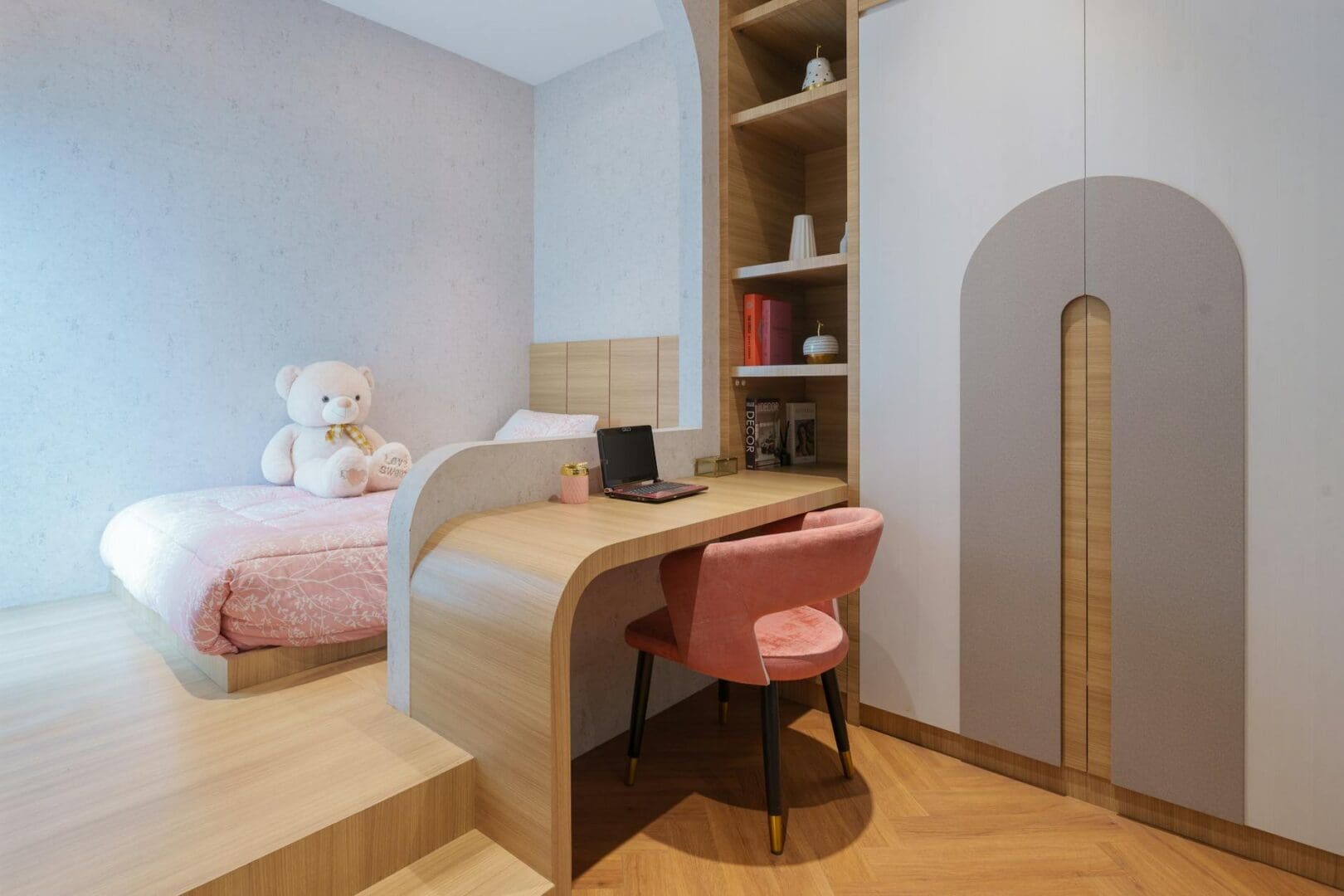
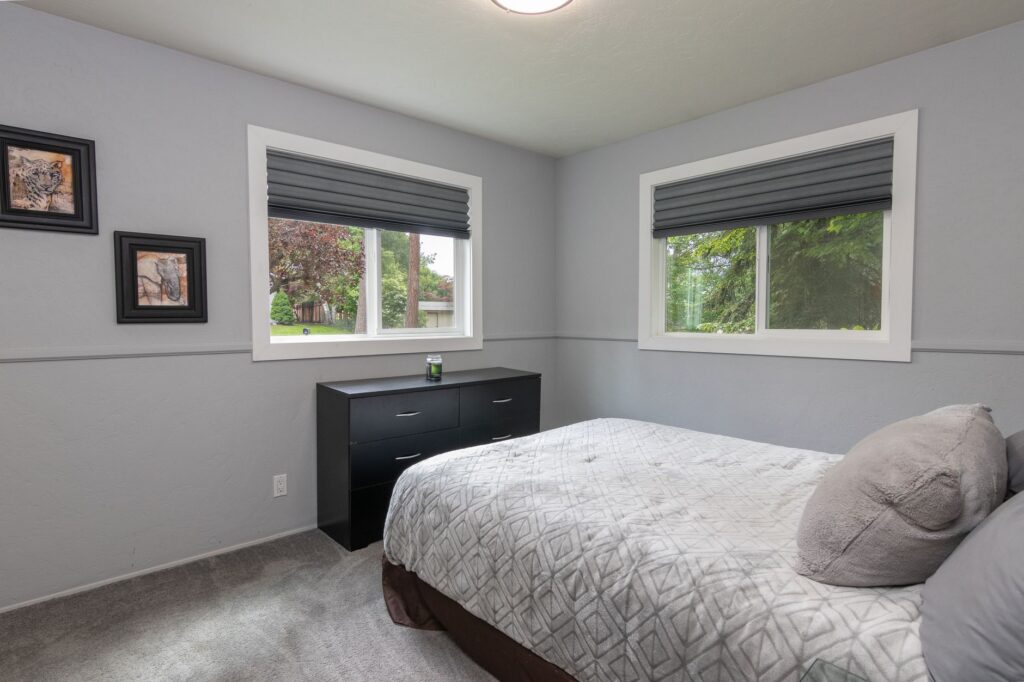
Designing a kids bedroom that feels welcoming for any child—whether you’re decorating before a baby arrives, creating a shared space for siblings, or simply want a room that won’t need a complete overhaul every few years—doesn’t mean sacrificing style or personality. The best gender neutral kids bedrooms blend timeless appeal with enough flexibility to adapt as your child grows and their interests evolve.
Start With a Versatile Color Foundation
The easiest way to create a gender neutral space is choosing a color palette that moves beyond traditional pink and blue. Warm whites, soft grays, sage green, warm beige, mustard yellow, and muted terracotta all work beautifully as base colors and pair well with nearly any accent shade your child gravitates toward later.
For walls, consider a neutral backdrop that won’t fight with bedding or decor changes. Lighter shades make smaller rooms feel more spacious, while deeper tones like charcoal or forest green can create a cozy, sophisticated feel in larger spaces. If you want more color without commitment, save the bolder hues for easily changeable elements like throw pillows, area rugs, or wall art.
Budget-friendly options include basic paint in neutral tones (under $50 per gallon), while mid-range choices might incorporate peel-and-stick wallpaper in geometric or nature-inspired patterns ($80-150 for an accent wall). These give you pattern and interest without the permanence of traditional wallpaper.
Choose Furniture That Adapts and Endures
The smartest investment in a gender neutral kids room is furniture with longevity. Skip pieces designed to look like race cars or princess carriages and opt for clean-lined, timeless designs in natural wood finishes, white, or gray.
A convertible crib that transitions to a toddler bed and eventually a daybed ($300-600) extends your furniture’s usefulness by years. For older kids, a simple platform bed or upholstered bed frame in a neutral fabric works from elementary school through teenage years. Look for solid wood or quality engineered wood construction—these pieces should withstand years of use and potentially serve multiple children.
Storage is critical in kids rooms, so prioritize dressers with dovetail drawer construction and smooth glides ($400-800 for quality pieces), open shelving units for toy rotation and book display ($150-400), and under-bed storage drawers. A good desk with adjustable height features ($200-500) grows with your child from arts and crafts to homework sessions.
Layer in Personality Through Flexible Decor
Here’s where gender neutral design really shines: by keeping the foundation simple, you create a canvas that easily accommodates your child’s changing interests without requiring a room renovation.
Bedding in solid colors or simple patterns like stripes, stars, or geometric shapes works for any child and mixes well with character sheets they might request later. Look for quality cotton or linen duvet covers ($50-120) that you can swap seasonally or as tastes change—much easier than replacing an entire bedding set.
For window treatments, simple roman shades, roller shades, or curtains in natural fabrics provide light control without adding gender-specific themes. Blackout liners are worth the extra investment ($80-200 total) for better sleep quality.
Wall decor offers the most flexibility for personalization. Create a gallery wall with a mix of framed art, floating shelves for rotating toy displays, and perhaps a large cork board or picture rail where your child can display their own artwork and treasures. Removable wall decals let younger children enjoy themed decor that peels off cleanly when interests shift.
Add Texture and Comfort With Thoughtful Accessories
The finishing touches make a gender neutral room feel warm and inviting rather than bland. Layer in different textures through area rugs—natural jute, soft cotton, or low-pile wool options all work well and hide stains better than light colors. A quality rug in the 5×7 or 8×10 size range runs $150-500 depending on material.
Bean bags, floor cushions, or a small upholstered chair creates a cozy reading nook. Choose durable, washable fabrics in versatile colors. Baskets in natural materials like seagrass or canvas provide attractive storage for toys, stuffed animals, and extra blankets while maintaining the room’s cohesive look.
Lighting deserves attention too—a dimmer switch gives you flexibility for different activities and bedtime, while a fun but not overly themed table lamp or pendant light adds character. Look for sculptural shapes, natural materials, or simple colored shades rather than explicitly gendered designs.
Creating a gender neutral kids bedroom gives you a foundation that truly grows with your child while making the space feel intentional and thoughtfully designed. By investing in quality neutral furniture and keeping the easily changeable elements simple, you’ll have a room that accommodates whatever phase comes next without starting from scratch every few years.
Shopping for a dresser for your child’s room feels different than buying one for yourself. You’re not just thinking about today—you’re wondering if it’ll survive the toddler years, hold up through elementary school, and maybe even make it to the teenage bedroom. The good news? With the right approach, you can find a dresser that […]
You’ve found the perfect bed frame, but now your old dresser looks completely out of place. Or maybe you’re starting fresh and wondering whether you need to buy a matching bedroom set. The truth is, coordinating your dresser and bed frame isn’t about finding exact matches—it’s about creating visual harmony through smart choices about style, […]
Adding a dresser to your walk-in closet can transform it from a simple hanging space into a fully functional dressing room. But unlike choosing a dresser for your bedroom, closet dressers have different requirements—they need to fit within existing dimensions, complement built-in systems, and maximize storage without creating obstacles. Whether you’re designing a new closet […]