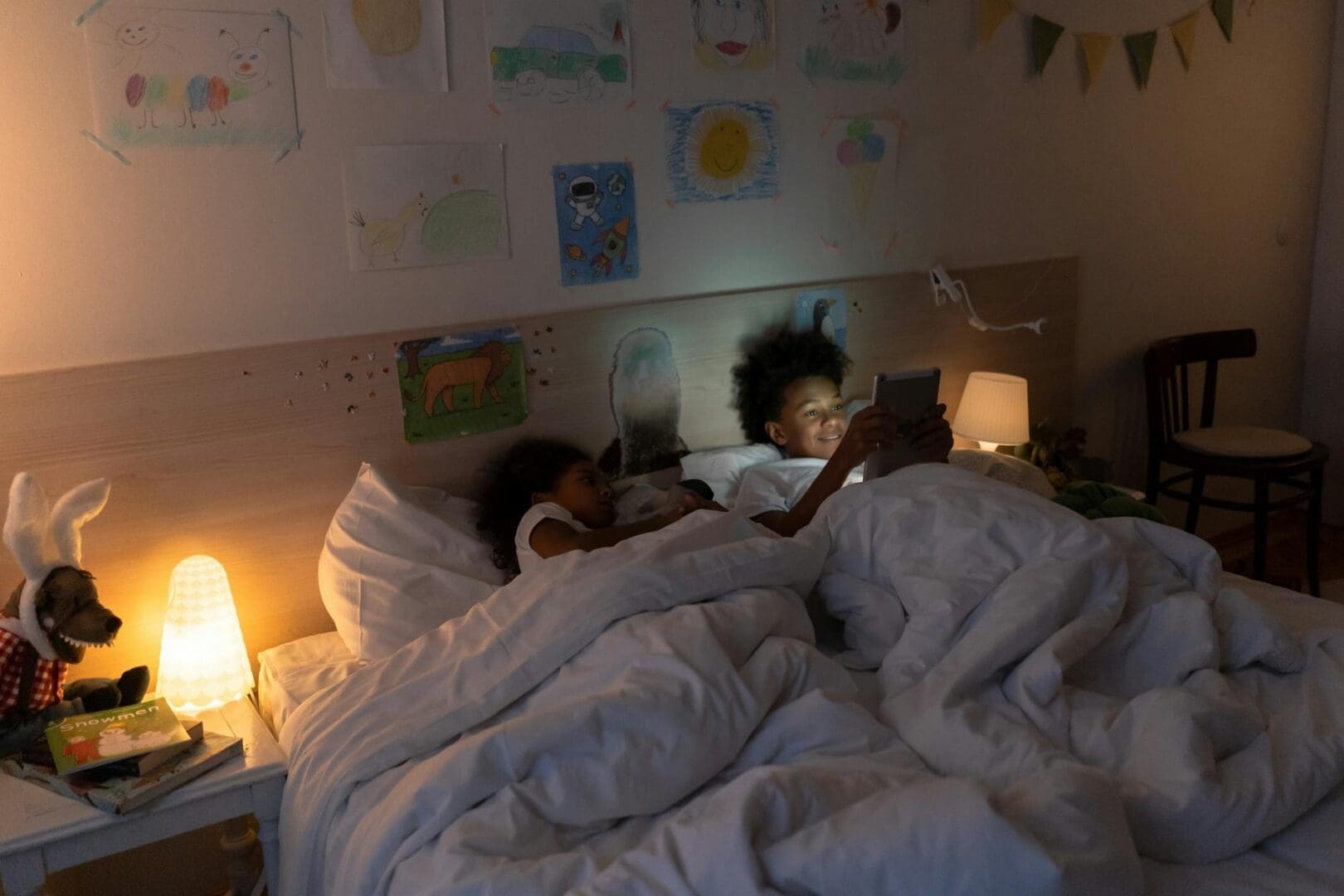
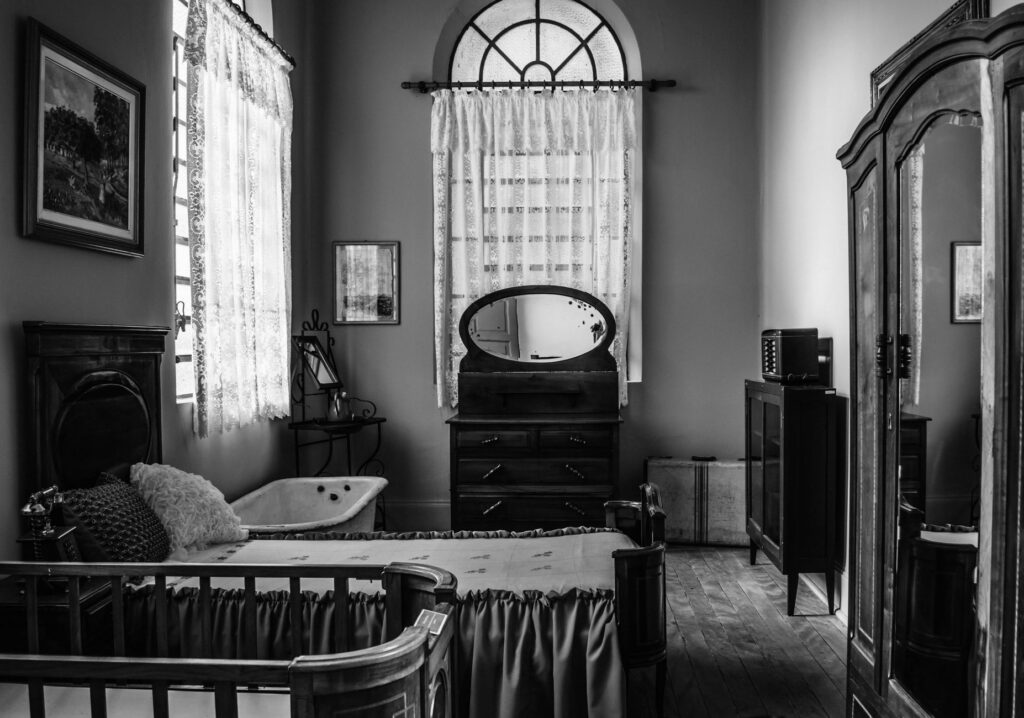
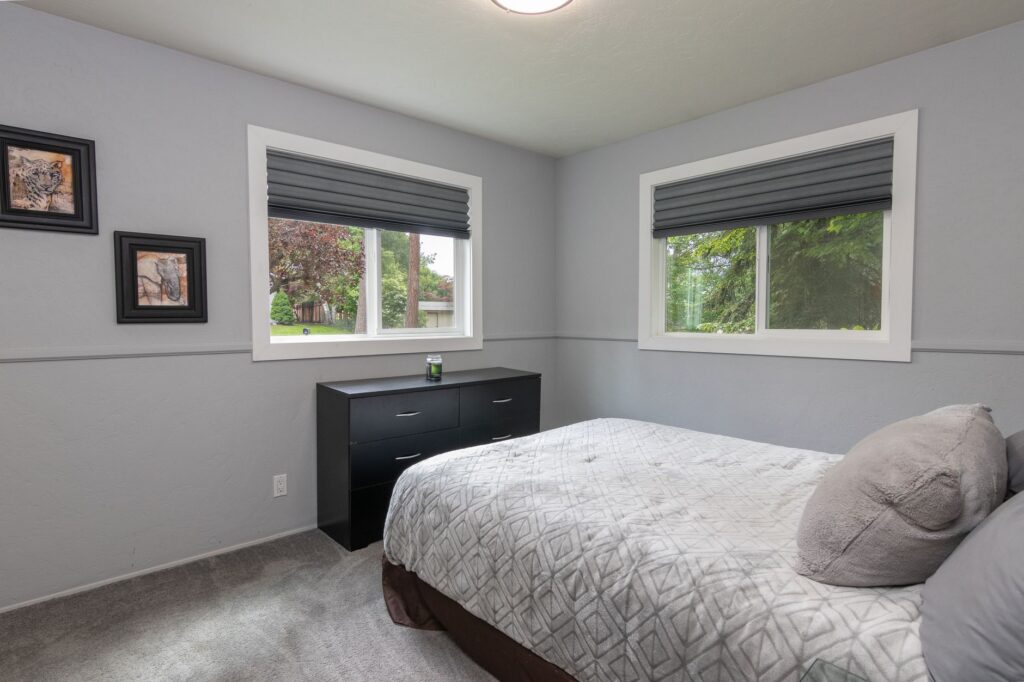
When two (or more) kids need to share a bedroom, the right furniture and layout can mean the difference between constant battles and surprising harmony. Whether you’re working with a cozy 10×10 space or a more generous room, the key is giving each child their own zone while maximizing every square foot. Let’s walk through how to make it work.
Choose the Right Bed Configuration
Your bed choice sets the foundation for everything else. Bunk beds are the obvious space-saver, freeing up floor area for play and storage. Look for solid wood or metal frames rated for at least 200 pounds on the top bunk, and make sure there are guardrails on all four sides if your youngest is under 6. Standard bunk beds run $300-$800, while hardwood options with built-in storage drawers can reach $1,200-$2,000.
If your kids are close in age or you want more flexibility, consider L-shaped twin beds positioned in opposite corners. This creates natural zones and works especially well in square rooms. Trundle beds are another smart option when floor space is tight—the second bed tucks away during the day, giving you room for activities. Budget $400-$900 for a quality trundle setup.
For older kids who need more privacy, loft beds let you position desks or dressers underneath, essentially creating two levels of living space. Just make sure your ceilings are at least 8 feet high, or the loft will feel cramped.
Build in Personal Space and Storage
Even kids who get along need their own territory. Give each child a designated dresser or at least their own drawers—color-coding with different bin colors or drawer pulls helps younger kids know what’s theirs. Cube storage units work brilliantly here: a 6-cube or 9-cube organizer can be split down the middle, with each child getting their own columns.
Wall-mounted shelving is your friend in shared rooms. Install floating shelves above each bed at different heights if your kids are different ages—this gives them personal display space for treasures, books, and photos without taking up floor space. Budget shelves start around $20-$40 each, while custom built-ins run $500-$1,500 depending on size.
Don’t forget vertical space. Over-door hooks, pegboards, and hanging organizers keep backpacks, jackets, and accessories off the floor. When everything has a designated spot, there’s less to fight about.
Create Visual Separation Without Walls
Physical boundaries help kids feel like they have their own space, even in a shared room. A bookshelf positioned perpendicular to the wall acts as a natural room divider while providing storage on both sides. Look for open-back units so the room doesn’t feel closed off—heights between 4-5 feet work well.
Curtains offer another flexible solution. Mount a ceiling track or tension rod between beds to create a soft divider that can be opened during the day and closed at bedtime. This works especially well when siblings have different sleep schedules. Simple canvas or cotton curtains run $30-$80 per panel.
Different paint colors or wall decals in each child’s zone help define territories visually without major construction. Even painting just one accent wall behind each bed signals “this is yours.” Area rugs can serve the same purpose—two smaller rugs instead of one large one clearly marks each child’s territory.
Plan for Different Ages and Stages
If you’re pairing kids with an age gap, think about furniture that adapts. A toddler bed can eventually become a reading nook. Adjustable desks grow from craft station to homework hub. Modular storage systems let you reconfigure as needs change—crucial when a 4-year-old and 9-year-old are sharing space.
Lighting deserves special attention in shared rooms. Overhead lights should have dimmers, and each child needs their own reading lamp or clip-on light for independent bedtimes. Look for LED options that stay cool to the touch.
The goal is creating a room that reduces friction and gives each kid ownership over their piece of the space. With thoughtful furniture choices and strategic layout, a shared bedroom can actually teach valuable lessons about compromise while keeping the peace. Start with the bed configuration that fits your space and budget, add personal storage for each child, and build in those visual boundaries. Your kids might surprise you—many siblings in shared rooms become closer than those in separate spaces.
Shopping for a dresser for your child’s room feels different than buying one for yourself. You’re not just thinking about today—you’re wondering if it’ll survive the toddler years, hold up through elementary school, and maybe even make it to the teenage bedroom. The good news? With the right approach, you can find a dresser that […]
You’ve found the perfect bed frame, but now your old dresser looks completely out of place. Or maybe you’re starting fresh and wondering whether you need to buy a matching bedroom set. The truth is, coordinating your dresser and bed frame isn’t about finding exact matches—it’s about creating visual harmony through smart choices about style, […]
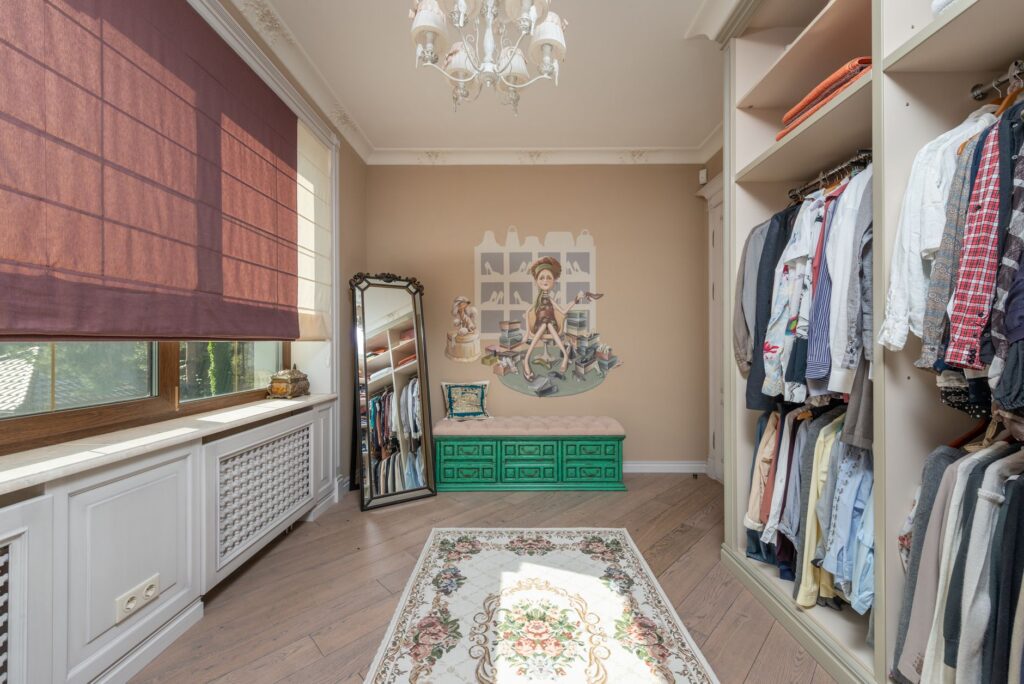
Adding a dresser to your walk-in closet can transform it from a simple hanging space into a fully functional dressing room. But unlike choosing a dresser for your bedroom, closet dressers have different requirements—they need to fit within existing dimensions, complement built-in systems, and maximize storage without creating obstacles. Whether you’re designing a new closet […]