There’s something magical about eating outside—whether it’s weekend brunch with friends or a quiet weeknight dinner. But if your patio or deck is currently just… empty space, you might be wondering where to even start. The good news? Creating an inviting outdoor dining area is more straightforward than you think, and you don’t need a huge budget or a designer’s eye to pull it off.
Start With the Right Table and Chairs
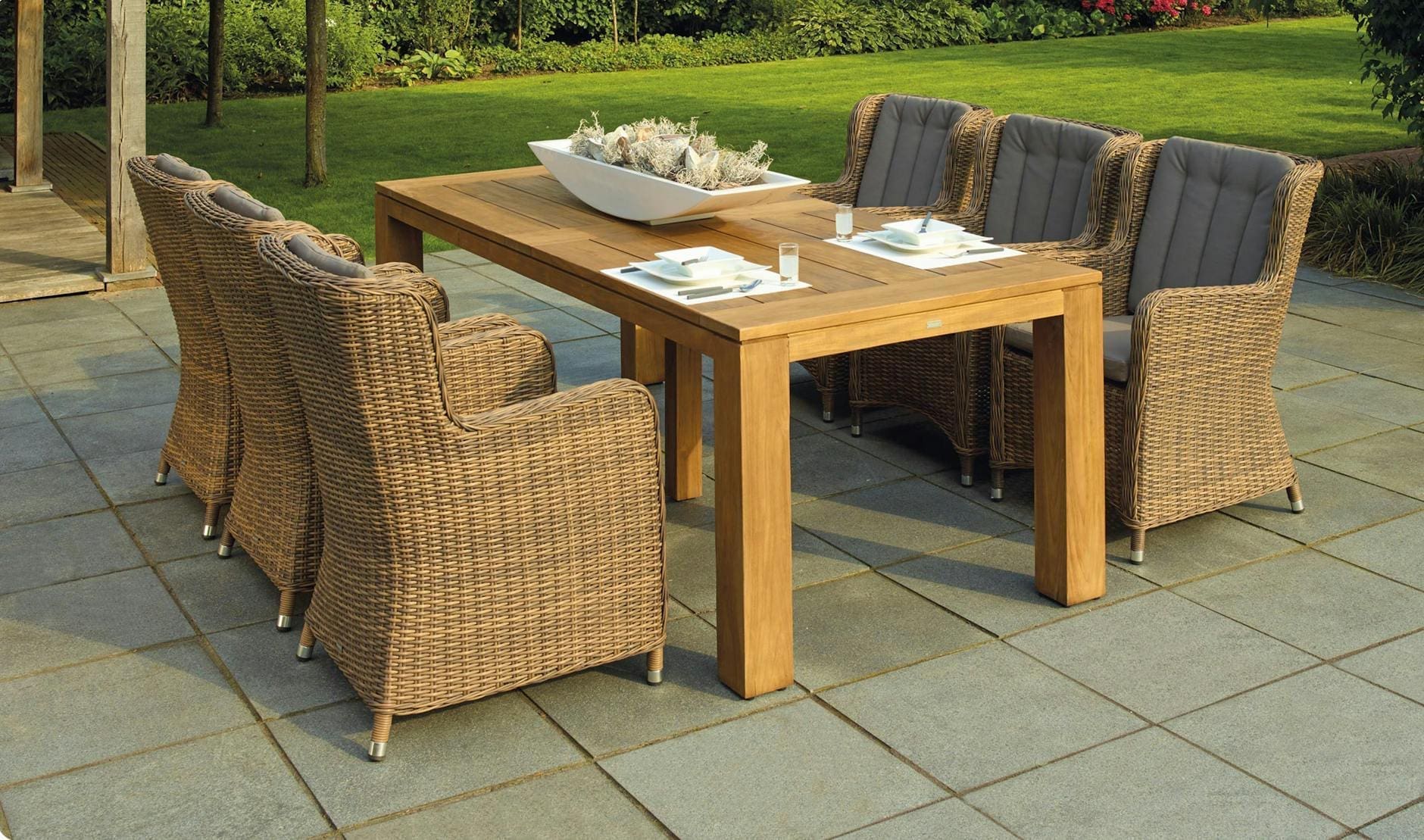
Your dining set is the foundation of everything else, so this is where you’ll want to focus first. Measure your space carefully—you’ll need at least 3 feet of clearance around the table for chairs to pull out comfortably. For a family of four, look for tables around 48 inches round or 60×36 inches rectangular. Hosting bigger gatherings? Consider an extendable table that can grow from 72 to 96 inches.
Material-wise, you have options at every price point. Powder-coated aluminum sets start around $400-600 and resist rust beautifully. Teak and eucalyptus bring warmth and durability in the $800-1,500 range, though they’ll need occasional oiling. If you’re ready to splurge ($2,000+), all-weather wicker with thick cushions or cast aluminum with intricate details will last decades.
For chairs, comfort matters more than you’d think. Sit in them before buying if possible—those cute bistro chairs might look perfect, but if they’re uncomfortable after 20 minutes, you won’t use them. Cushioned seats make a huge difference for longer meals.
Add Shade and Weather Protection
Even the most beautiful table won’t get used if the sun is beating down or a light drizzle starts. A quality umbrella is your most budget-friendly option, starting around $150 for a sturdy 9-footer with a crank lift. Look for fade-resistant fabrics like Sunbrella and a base that’s at least 50 pounds—lighter ones will topple in wind.
A pergola ($1,200-3,000 installed) offers more permanent shade and creates an actual “room” feeling outdoors. You can add a retractable canopy for rain protection or train climbing plants over it for natural shade. If your space is covered by an existing roof or overhang, you’re already ahead—just make sure there’s enough clearance for taller guests to stand comfortably.
Cantilever umbrellas ($300-800) are another smart choice because the pole sits off to the side, giving you unobstructed space around the table. They’re especially useful for smaller patios where every square foot counts.
Layer in Lighting for Evening Ambiance
Outdoor dining really shines after sunset, but you’ll need proper lighting to make it work. String lights are the fastest way to create atmosphere—LED versions use minimal electricity and last for years. Hang them in a canopy pattern above the table or along a fence line. Expect to spend $40-100 for quality strands that won’t look cheap.
Add a table lamp or two if you have access to outlets. Battery-operated LED lanterns ($30-60 each) work great if you don’t, and modern versions last 8-10 hours on a charge. A statement pendant light or chandelier rated for outdoor use ($200-600) makes a real impact if you’re dining under a covered area with ceiling access.
Don’t forget practical task lighting—you need to actually see your food. Small solar stake lights around the perimeter add just enough ambient glow, while a dimmer switch on overhead fixtures gives you control.
Complete the Space With Comfort and Style
Now for the finishing touches that transform “patio furniture” into an actual dining room. An outdoor rug anchors everything visually and feels nicer underfoot than bare concrete or decking. Look for polypropylene rugs ($80-300) that resist moisture and fading—they’re basically indestructible.
Weather-resistant pillows ($25-50 each) add pops of color and make seating more comfortable. Store them in a deck box when not in use to extend their life. Speaking of storage, you’ll want somewhere to stash cushions, extra blankets, and dining essentials—a bench with interior storage pulls double duty.
Consider a bar cart or side table ($100-300) for serving. It’s much easier than running back and forth to the kitchen all evening. A few potted plants, candles in hurricane holders, and a centerpiece bowl round out the look without overdoing it.
You don’t need everything at once. Start with a solid dining set and shade solution, then add lighting and accessories as your budget allows. Before you know it, you’ll be wondering why you ever ate inside.
When every square foot counts, bringing furniture into a small apartment feels like a high-stakes game of Tetris. You need storage desperately, but you’re terrified of making your space feel even more cramped. A sideboard can be the perfect solution—if you choose the right one. Let’s walk through exactly what to look for so you […]
Hallways are the overlooked workhorses of our homes—they connect every room, but rarely get the storage love they deserve. A well-chosen sideboard transforms that narrow stretch of wall into genuinely useful space without making your hallway feel like an obstacle course. The trick is finding one that fits the proportions of the room while actually […]
Dark kitchens—whether they feature rich espresso cabinets, moody charcoal walls, or black granite countertops—create incredible drama and sophistication. But they also present a unique challenge when it comes to choosing bar stools. Pick the wrong ones, and your beautiful space can feel cave-like or visually heavy. Choose wisely, and your stools become the bright spot […]