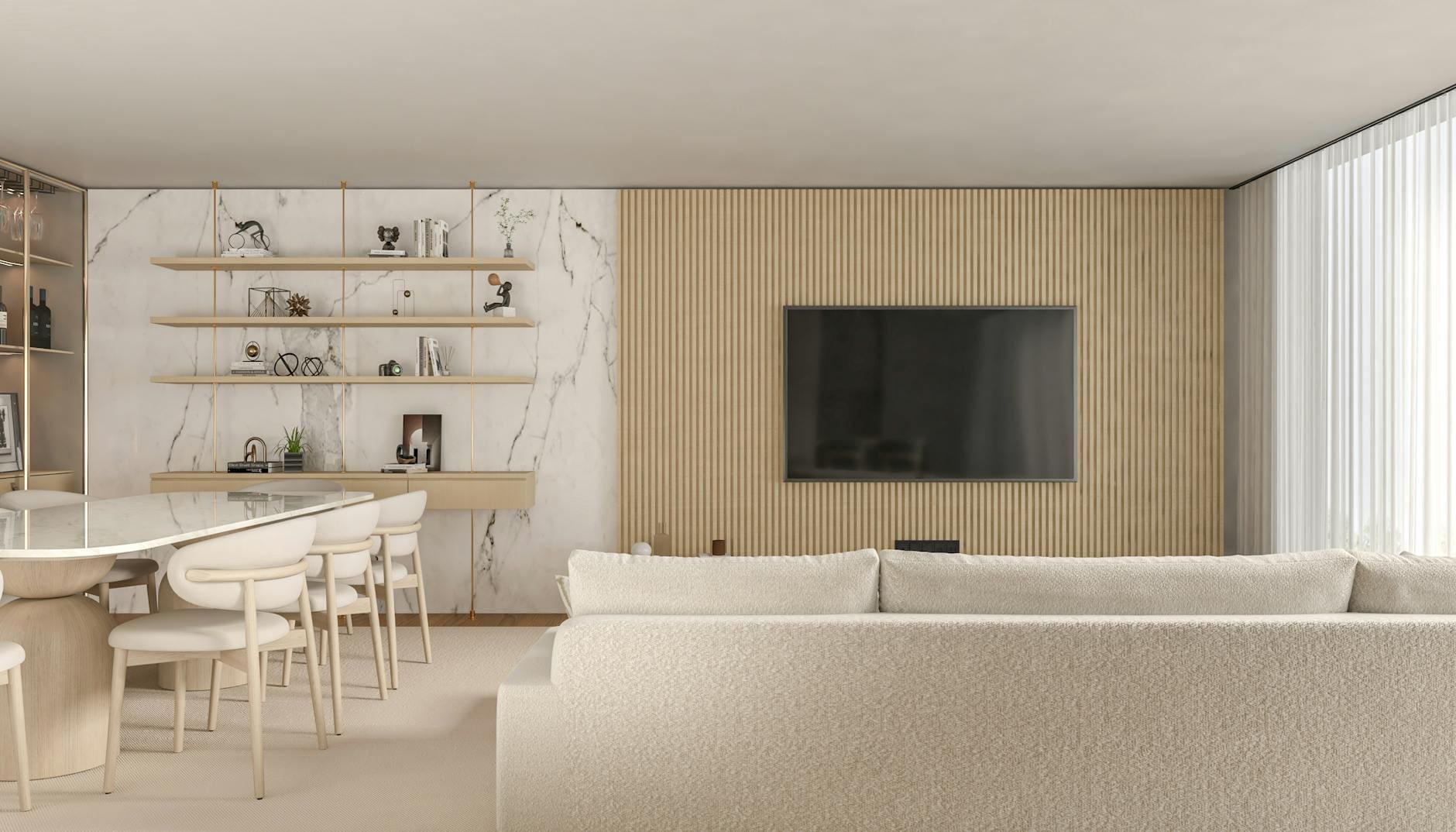
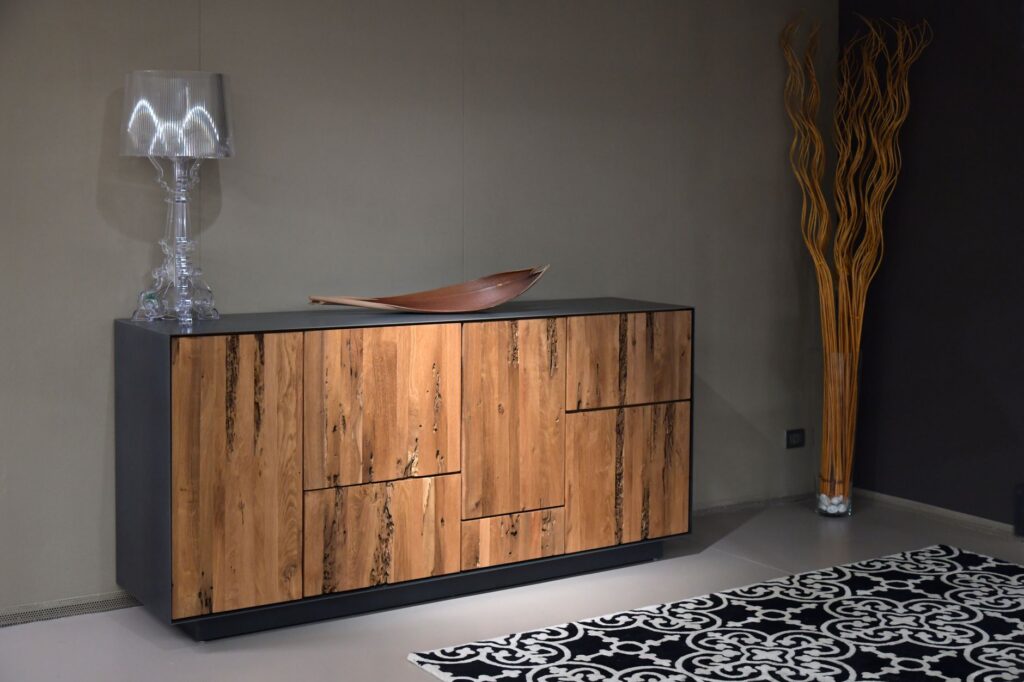
Walking into a beautifully decorated home, you can immediately feel when everything just works together. The colors flow from room to room, the furniture styles complement each other, and nothing feels out of place. That’s the magic of cohesive design—and it’s easier to achieve than you might think. You don’t need to hire a designer or replace everything you own. With a few strategic decisions about color, style, and materials, you can create a home that feels intentional and harmonious.
Start With a Consistent Color Palette
The fastest way to create cohesion is choosing a color palette and sticking with it throughout your home. This doesn’t mean every room needs to be the same color—that would be boring. Instead, select 3-4 main colors that appear in varying proportions across different spaces.
A classic approach is the 60-30-10 rule: 60% of a room should be your dominant color (usually walls or large furniture pieces), 30% your secondary color (accent chairs, curtains, rugs), and 10% your accent color (throw pillows, artwork, decorative objects). When you repeat these colors from room to room, your home naturally feels connected.
Neutrals like gray, beige, white, or navy work well as your dominant colors because they’re versatile and timeless. Then layer in one or two accent colors you love—maybe sage green and terracotta, or dusty blue and blush pink. You’ll find budget-friendly throw pillows starting around $20-30, mid-range curtains at $50-100 per panel, and statement pieces like accent chairs ranging from $300-800 depending on quality and fabric.
Choose One or Two Furniture Styles and Stick With Them
Mixing too many furniture styles creates visual chaos. Pick one primary style—modern, traditional, mid-century, farmhouse, or coastal—and let that guide your major furniture purchases. You can absolutely mix in pieces from a complementary style (like pairing modern with industrial, or traditional with transitional), but having a clear direction prevents your home from looking like a furniture store showroom.
Pay attention to furniture legs and hardware. If your coffee table has tapered mid-century legs, look for dining chairs and side tables with similar leg styles. If your bedroom dresser features brass hardware, incorporate brass elsewhere—in light fixtures, picture frames, or bathroom faucets. These small repeated details create subtle connections that make everything feel intentional.
When shopping for major pieces like sofas ($800-3000) or dining tables ($600-2500), choose styles that can anchor your theme. A good sofa should last 7-10 years, so it’s worth investing in something that truly fits your chosen aesthetic.
Repeat Materials and Textures Thoughtfully
Materials create another layer of cohesion. If you have a reclaimed wood coffee table in your living room, echo that warmth with a wooden picture frame in the hallway or a wooden stool in your bathroom. Love the look of marble? Use it on your kitchen counters, then bring in marble coasters, a marble tray for your dresser, or marble bookends.
Texture matters too. Mixing textures adds depth and interest, but repeating certain textures throughout your space creates harmony. You might use linen curtains in the living room, linen napkins in the dining room, and linen throw pillows in the bedroom. Or incorporate rattan through a headboard, bar stools, and decorative baskets.
Textiles are some of the most affordable ways to add cohesion. Quality throw blankets run $40-120, area rugs range from $150 for smaller sizes to $800+ for living room sizes, and decorative baskets start around $25-60 each.
Create Visual Flow Between Rooms
Your home should feel like a connected story, not separate chapters. One effective technique is the “traveling element”—choose one thing that appears in every room. This could be a color, a specific wood tone, a metal finish like brushed nickel or matte black, or even a pattern like stripes or geometric prints.
Keep an eye on transitions between spaces. If someone standing in your hallway can see into three different rooms, those rooms should share some common elements. This is especially important in open floor plans where the living room, dining room, and kitchen all flow together. Your dining chairs don’t need to match your sofa, but they should feel like they belong in the same home.
Wall art and mirrors also help create flow. Rather than buying random pieces you like, choose artwork with a consistent color palette or framing style. Gallery walls work beautifully when frames share the same finish, even if the art inside varies.
Creating a cohesive home doesn’t happen overnight, and it doesn’t require a complete overhaul. Start with one room, establish your color palette and style preferences, then gradually extend those choices to other spaces. The beauty of this approach is that it gives you a clear framework for future purchases—you’ll know exactly what you’re looking for, which makes shopping so much easier. Your home will feel more pulled together, more you, and ultimately more comfortable to live in.
You need more storage in your living room, but a bulky bookcase feels too heavy and floating shelves aren’t cutting it. A credenza might be exactly what you’re looking for—it’s that low-profile cabinet that gives you tons of hidden storage while creating a beautiful surface for lamps, plants, and the things you actually want to […]
If you’ve been hitting snooze repeatedly or dragging yourself out of bed feeling groggy, you’re not alone. Waking up to a jarring alarm in a dark room works against your body’s natural rhythms, especially during winter months. A sunrise alarm clock mimics natural dawn, gradually filling your room with light to ease you awake. But […]
Waking up at 3 a.m. with a sweaty neck and flipping your pillow to the cool side for the fourth time isn’t just annoying—it’s robbing you of quality sleep. If you’re a hot sleeper, your pillow might be trapping heat against your head and neck all night long. The good news? The right cooling pillow […]