Standing in your bedroom surrounded by piles of clothes, you know you need better storage. But should you invest in a wardrobe or a dresser? The answer isn’t one-size-fits-all—it depends on what you own, how much space you have, and how you actually get dressed every day. Let’s break down the key differences so you can choose the right piece for your bedroom.
What You’re Actually Storing
Start by taking honest inventory of your wardrobe. If you own mostly hanging clothes—dresses, suits, button-down shirts, or anything that wrinkles easily—a wardrobe (also called an armoire) makes the most sense. These tall, enclosed cabinets are built around a hanging rod and give your nicer pieces the vertical space they need.
Dressers, on the other hand, excel at storing folded items: jeans, t-shirts, sweaters, workout gear, and undergarments. The drawer system keeps everything organized and easy to access. Most people who choose dressers either have a separate closet for hanging items or simply don’t own many pieces that require hanging.
Here’s a practical test: if more than half your clothes need to hang, lean toward a wardrobe. If you’re a jeans-and-sweaters person, a dresser will serve you better. And if you need both? Consider a wardrobe with bottom drawers—they’re harder to find but offer the best of both worlds.
Space and Room Layout
Wardrobes command vertical space, typically standing 6-7 feet tall but with a smaller footprint—usually around 36-48 inches wide. They work beautifully in rooms with high ceilings or limited floor space. Place one in a corner or along a narrow wall, and you’ve added substantial storage without eating up your room.
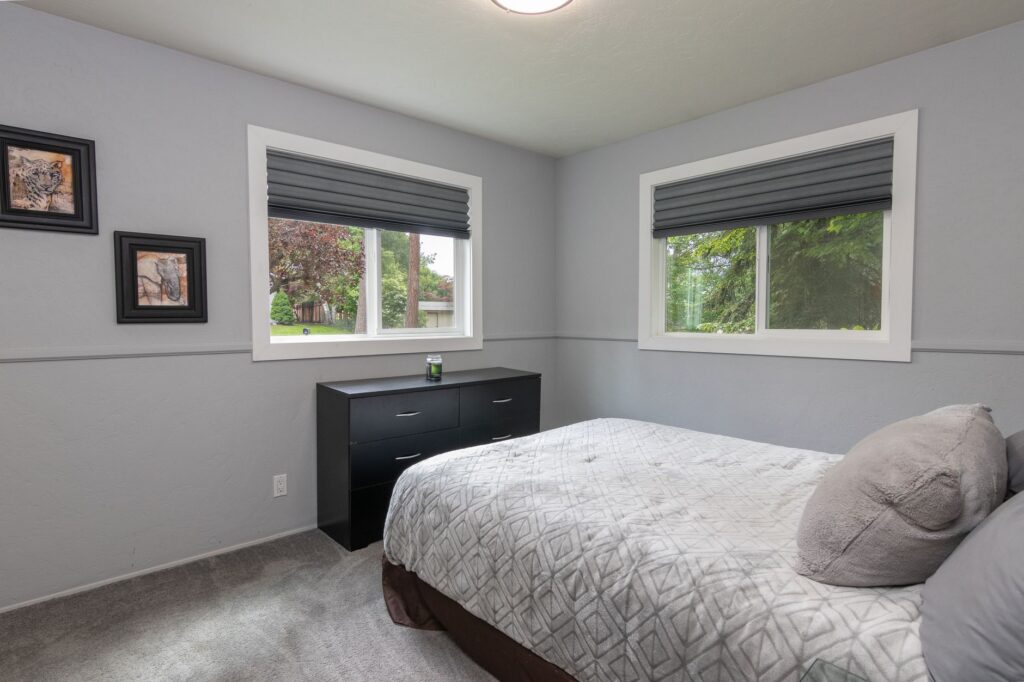
Dressers spread out horizontally. A standard six-drawer dresser runs about 30-36 inches tall and 48-60 inches wide. This lower profile makes them perfect under windows or in rooms where a tall wardrobe might feel overwhelming. They also double as a display surface—many people use dresser tops for mirrors, jewelry boxes, or decorative items.
Measure your space carefully before shopping. For wardrobes, check ceiling height and make sure doors have adequate swing clearance (or opt for sliding doors in tight spaces). For dressers, ensure drawer fronts can fully extend without hitting your bed frame.
Style and Bedroom Aesthetics
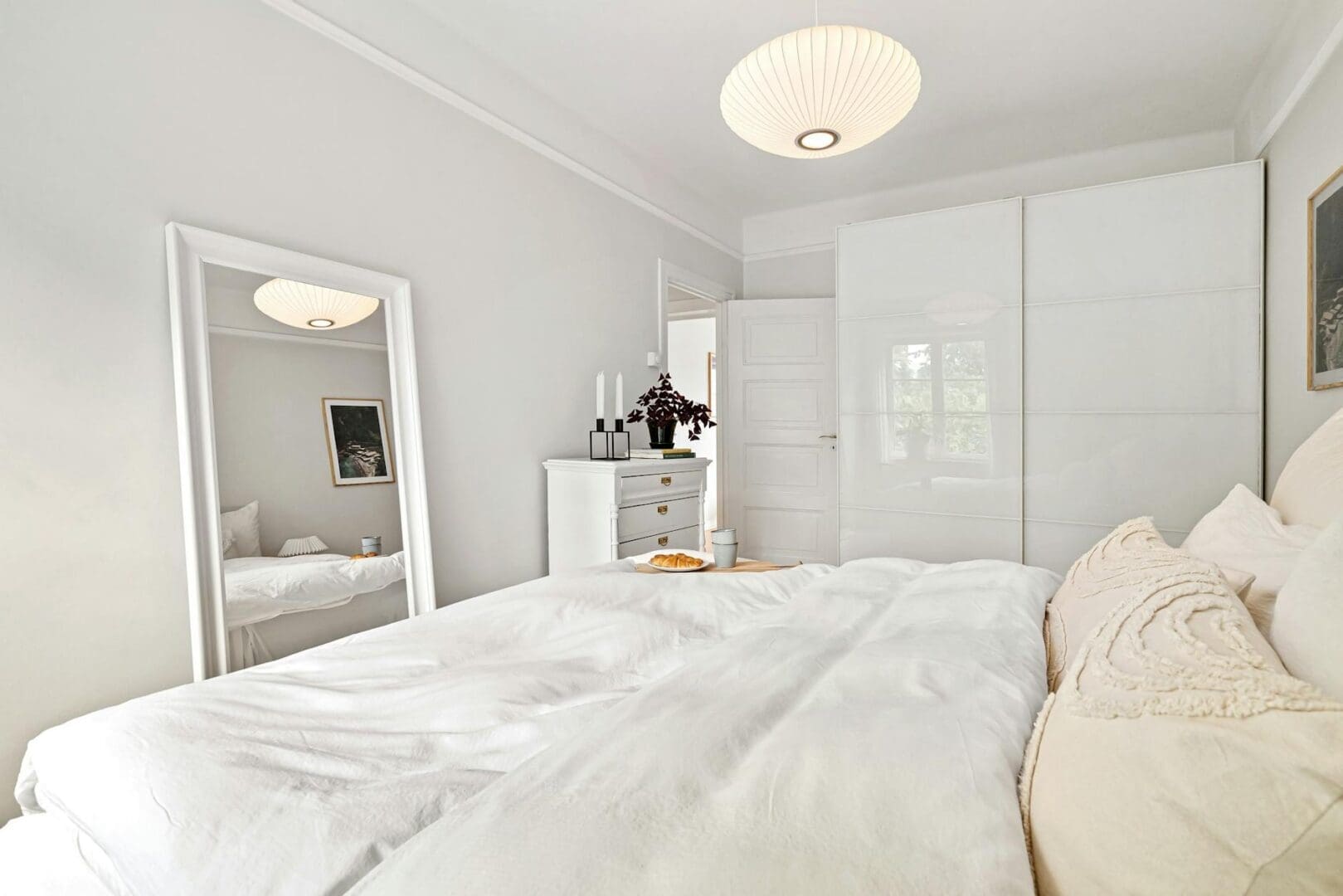
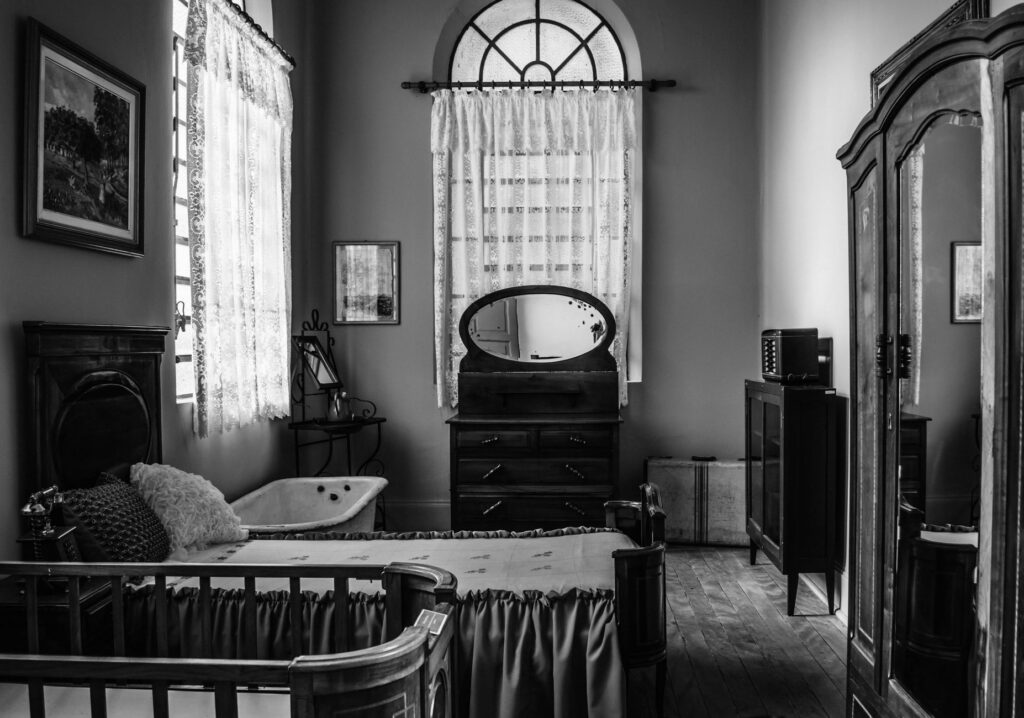
Wardrobes make a statement. As the tallest piece in most bedrooms, they naturally become a focal point. Traditional styles in dark wood create a formal, classic look, while modern wardrobes with clean lines and light finishes keep things minimal. Mirrored wardrobe doors can make small bedrooms feel larger and eliminate the need for a separate standing mirror.
Dressers offer more flexibility. Their lower height means they blend into your room rather than dominate it. You’ll find dressers in every style imaginable—mid-century modern with tapered legs, farmhouse with distressed finishes, or sleek contemporary with handleless drawers. Because they’re more common, you’ll also have an easier time finding a dresser that matches existing bedroom furniture.
Budget-wise, basic dressers start around $200-300, with quality solid wood options in the $600-1,200 range. Wardrobes typically begin around $400-500 for entry-level pieces, with well-constructed hardwood wardrobes running $1,000-2,500 or more.
Daily Use and Accessibility
Think about your morning routine. Dressers let you see everything at a glance when you pull out a drawer—perfect if you like to grab and go. Drawers also keep clothes dust-free and protected from pets or sunlight fading.
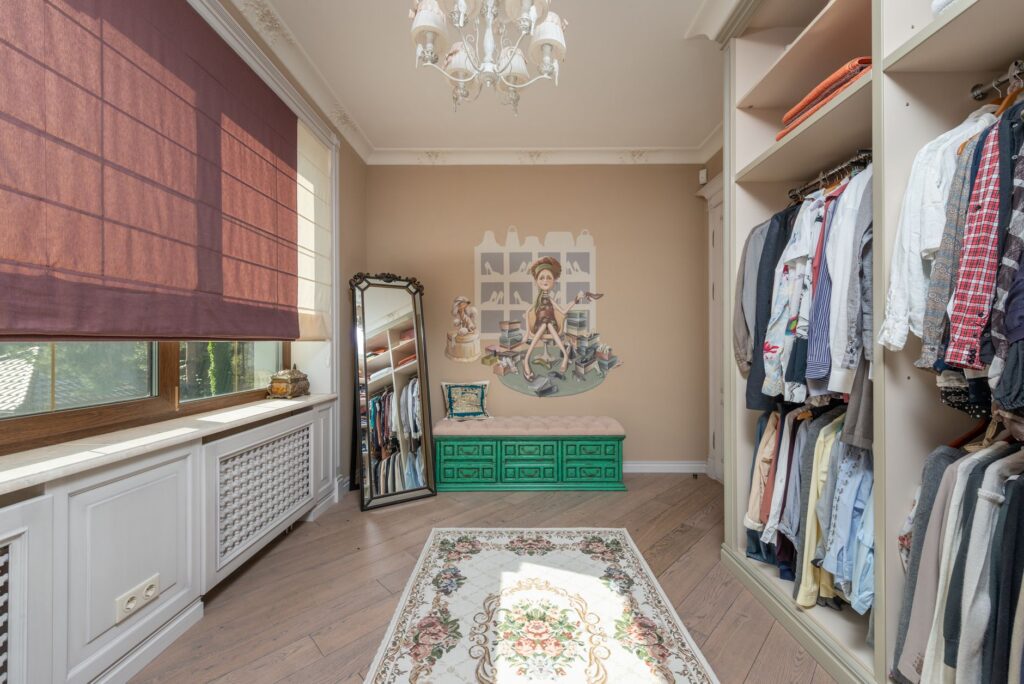
Wardrobes require a bit more effort (opening doors, browsing hanging items) but keep formal wear wrinkle-free and ready to wear. If you work in a business professional environment or attend frequent events, that convenience is worth it. Some wardrobes include interior shelves or cubbies for shoes and accessories, turning them into complete dressing stations.
Your bedroom storage ultimately needs to match how you live. A wardrobe serves the person who values garment care and has limited closet space. A dresser fits the casual dresser who prioritizes quick access and surface space. Look at what’s overflowing in your current setup—that’s your answer. The right piece will make getting dressed feel effortless rather than like a daily obstacle course.
Shopping for a dresser for your child’s room feels different than buying one for yourself. You’re not just thinking about today—you’re wondering if it’ll survive the toddler years, hold up through elementary school, and maybe even make it to the teenage bedroom. The good news? With the right approach, you can find a dresser that […]
You’ve found the perfect bed frame, but now your old dresser looks completely out of place. Or maybe you’re starting fresh and wondering whether you need to buy a matching bedroom set. The truth is, coordinating your dresser and bed frame isn’t about finding exact matches—it’s about creating visual harmony through smart choices about style, […]
Adding a dresser to your walk-in closet can transform it from a simple hanging space into a fully functional dressing room. But unlike choosing a dresser for your bedroom, closet dressers have different requirements—they need to fit within existing dimensions, complement built-in systems, and maximize storage without creating obstacles. Whether you’re designing a new closet […]