Wall sconces can completely transform your bedroom from just functional to genuinely inviting. They free up nightstand space, add architectural interest, and provide targeted light exactly where you need it. But walk into any lighting showroom and you’ll face hundreds of options—swing arm or fixed, hardwired or plug-in, modern or traditional. Here’s how to narrow down your choices and find sconces that work beautifully in your specific bedroom.
Decide What You Need the Light to Do
Before you fall in love with a particular style, think about function. Are you installing sconces primarily for reading in bed? You’ll want adjustable swing-arm models or directional fixtures that put light exactly on your book or tablet. Look for sconces with at least 150-200 lumens for comfortable reading without eye strain.
If you’re after ambient lighting or mood setting, fixed sconces with fabric shades or frosted glass work beautifully. They cast a soft, diffused glow that’s perfect for winding down at night. Many people opt for dimmable sconces so they can adjust brightness based on the time of day—bright enough for reading, low enough for late-night trips to the bathroom.
Sconces can also replace traditional table lamps entirely, especially in smaller bedrooms where nightstand real estate is precious. In this case, you’ll want fixtures substantial enough to provide adequate light while maintaining the right proportion for your space.
Get the Placement and Proportions Right
Mounting height makes a huge difference in both function and aesthetics. For reading sconces, install them 60-70 inches from the floor—roughly at seated eye level when you’re propped up in bed. The light source should be slightly above and behind your shoulder to minimize glare.
Space sconces 24-30 inches out from the center of your bed (approximately above each nightstand location). This placement ensures even, balanced light without fixtures bumping into your headboard or feeling cramped.
Scale matters too. A general rule: your sconce should be about one-quarter to one-third the width of your nightstand. A 6-inch wide sconce looks appropriately sized next to a standard 24-inch nightstand, while a massive 14-inch fixture might overwhelm a small space. In rooms with tall ceilings or king-sized beds, you can go larger and more dramatic.
Choose Between Hardwired and Plug-In Models
Hardwired sconces offer the cleanest, most polished look with no visible cords. They’re ideal for new construction or renovations where an electrician can easily install junction boxes. Budget $100-200 per sconce for installation if you’re hiring a professional, though this varies by region and complexity.
Plug-in sconces have come a long way aesthetically. Modern versions include cord covers and clever cable management that makes the plug almost invisible. They’re perfect for renters or anyone avoiding the cost and hassle of electrical work. Expect to pay $40-150 for quality plug-in sconces, versus $80-400+ for hardwired versions in comparable styles.
A middle ground: consider battery-operated LED sconces for accent lighting. While they won’t provide serious reading light, they work well for ambient glow and require zero installation.
Match Your Style Without Overthinking It
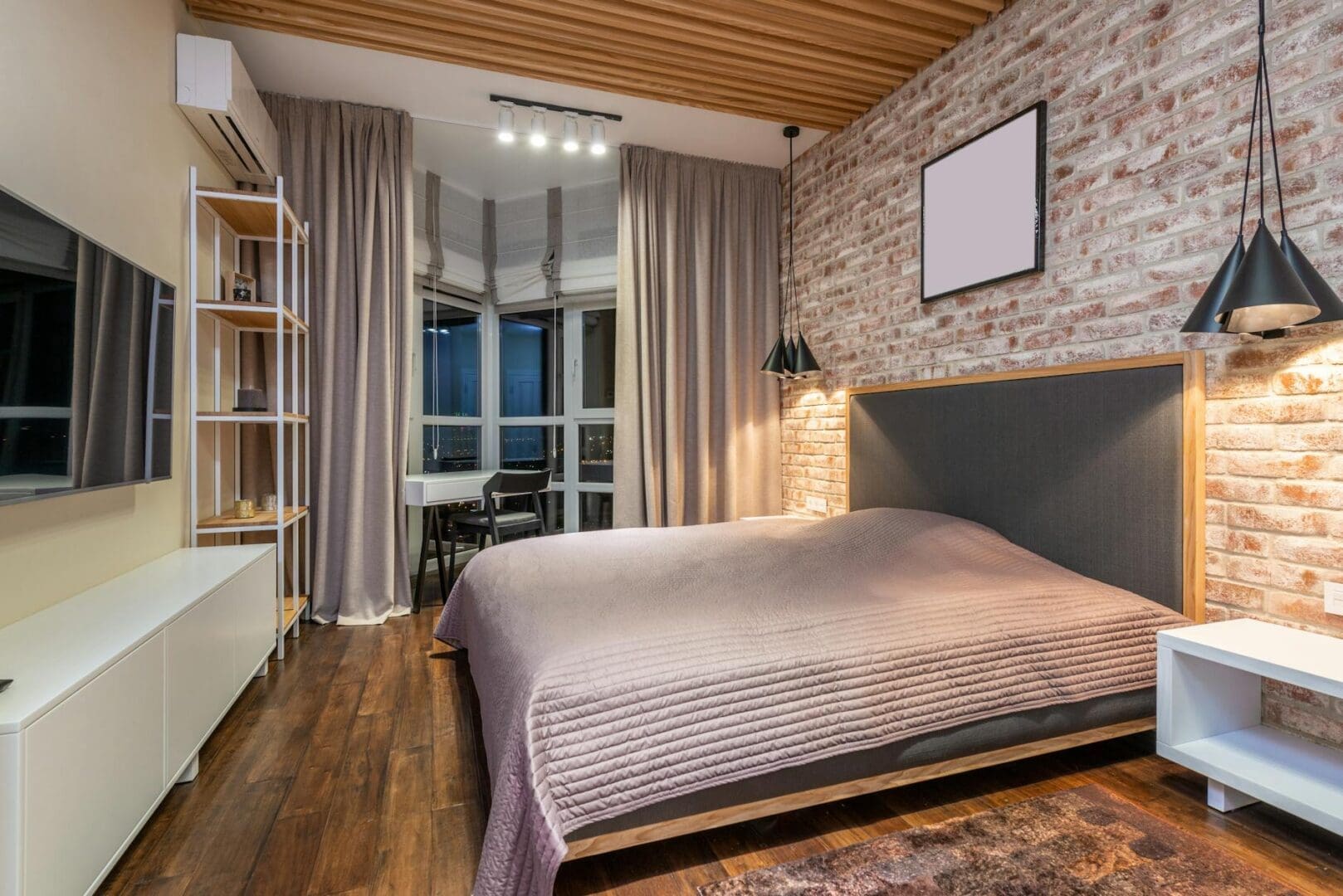
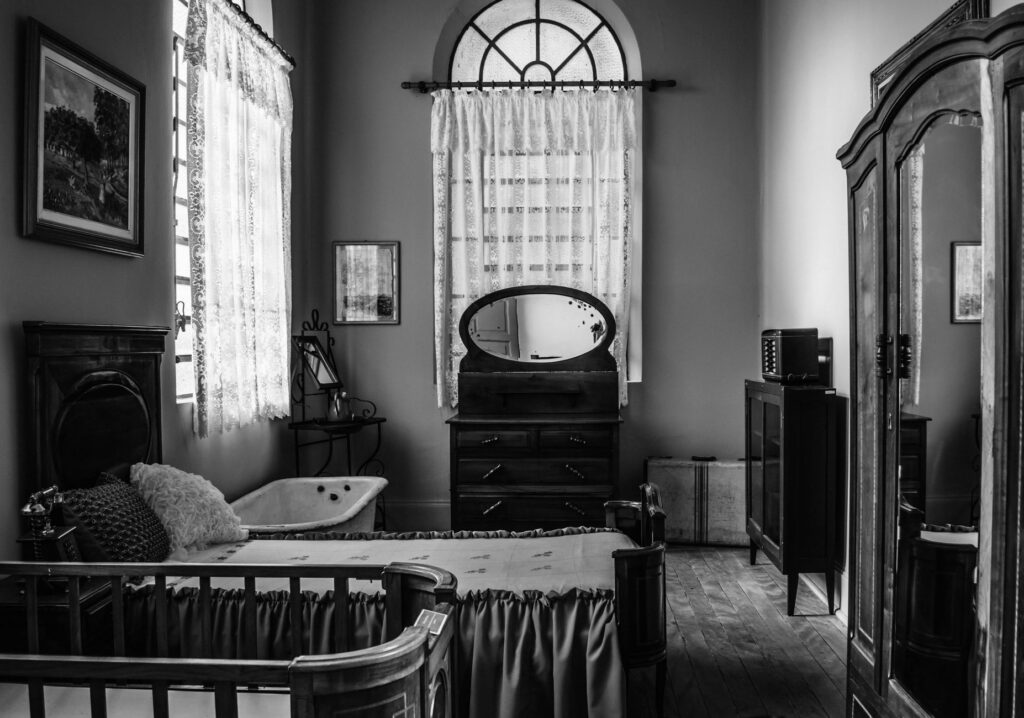
Your sconces don’t need to match your ceiling fixture exactly, but they should share a similar vibe. In a mid-century modern bedroom, look for sconces with brass or matte black finishes, clean lines, and cone or globe shades. Traditional rooms pair well with fabric-shade sconces, crystal details, or oil-rubbed bronze finishes.
For farmhouse or transitional styles, consider metal sconces with Edison bulbs or simple drum shades. Contemporary minimalists should explore sleek linear designs, backlit panels, or sculptural fixtures that double as wall art.
Finish consistency matters more than exact style matching. If your bed frame has brushed nickel hardware, repeating that finish in your sconces creates visual cohesion. That said, mixing warm metals (brass, copper, gold) or cool metals (chrome, nickel, matte black) within the same room generally works fine—just avoid combining warm and cool metal tones.
The right bedroom sconces balance practical lighting with personal style, and they should make your daily routine easier, not harder. Measure your space carefully, think honestly about how you’ll use the light, and choose fixtures that feel proportional to your room. Whether you invest $80 or $400 per sconce, picking thoughtfully means you’ll actually use and enjoy them every single day.
Shopping for a dresser for your child’s room feels different than buying one for yourself. You’re not just thinking about today—you’re wondering if it’ll survive the toddler years, hold up through elementary school, and maybe even make it to the teenage bedroom. The good news? With the right approach, you can find a dresser that […]
You’ve found the perfect bed frame, but now your old dresser looks completely out of place. Or maybe you’re starting fresh and wondering whether you need to buy a matching bedroom set. The truth is, coordinating your dresser and bed frame isn’t about finding exact matches—it’s about creating visual harmony through smart choices about style, […]
Adding a dresser to your walk-in closet can transform it from a simple hanging space into a fully functional dressing room. But unlike choosing a dresser for your bedroom, closet dressers have different requirements—they need to fit within existing dimensions, complement built-in systems, and maximize storage without creating obstacles. Whether you’re designing a new closet […]