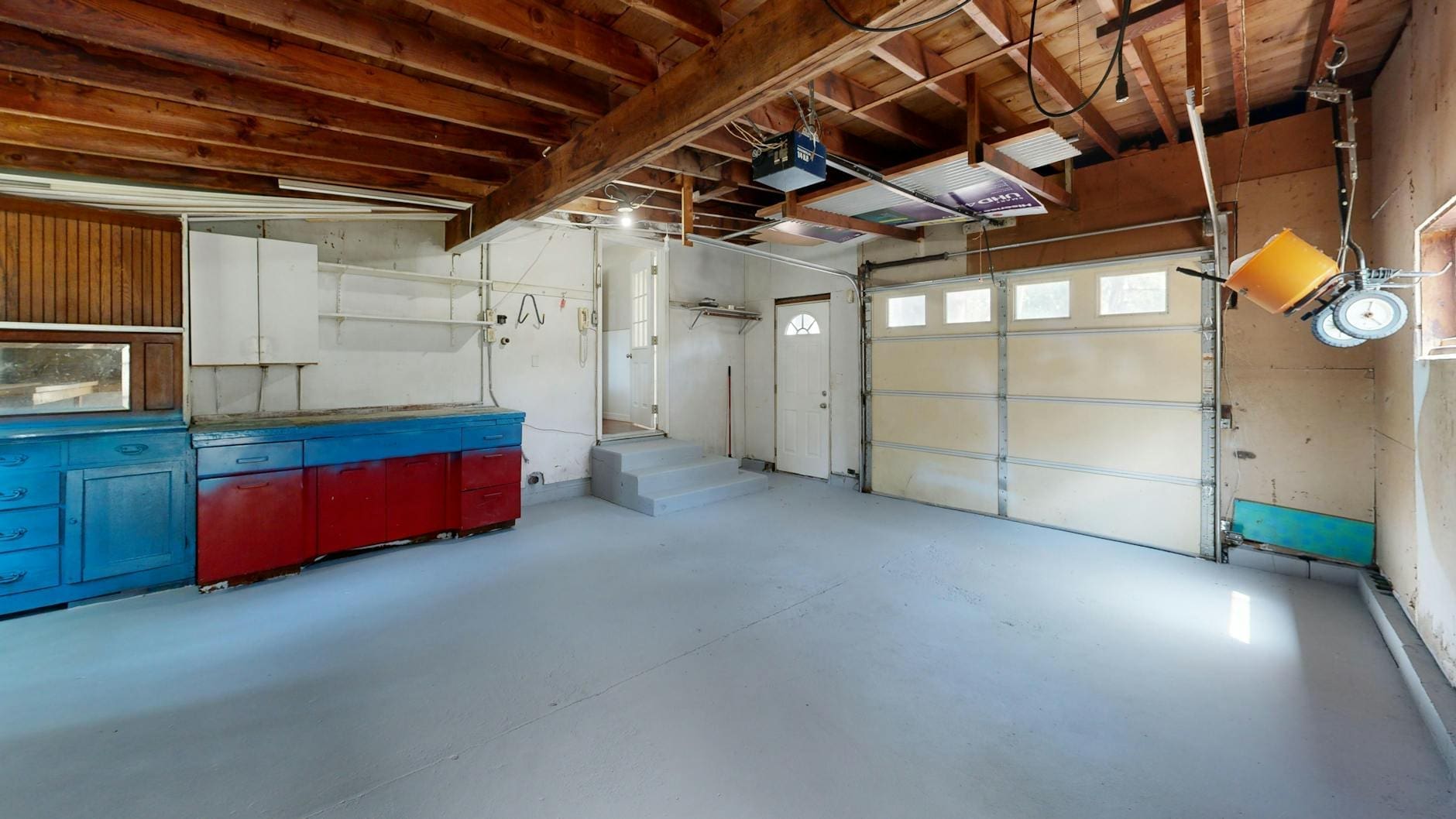
Your garage should be more than a dumping ground for everything that doesn’t fit inside. With the right storage furniture, you can transform it into an organized workspace that actually functions. The challenge? Garage furniture needs to be tougher than what you’d use indoors, while still keeping everything accessible and sorted. Let’s walk through what matters most when you’re shopping.
Regular indoor furniture won’t cut it in most garages. Temperature swings, humidity, concrete dust, and the occasional bump from a car door mean you need pieces built for punishment. Look for furniture made from heavy-gauge steel (at least 20-gauge for cabinets) or resin that won’t warp or rust. Wood can work if it’s properly sealed, but it tends to absorb moisture and may not hold up long-term unless your garage is climate-controlled.
Check weight capacity ratings carefully. Garage storage often holds heavier items than bedroom dressers or kitchen cabinets. Quality metal shelving should handle at least 200 pounds per shelf, while workbenches need to support 500 pounds or more if you’re doing any actual work on them. Budget options ($50-150 per unit) often skimp here, while mid-range pieces ($150-400) typically offer the durability most homeowners need. Professional-grade options ($400+) are built like tank, but may be overkill unless you’re running a workshop.
Matching Storage Types to What You’re Storing
Not everything belongs on open shelving. Take inventory of what you’re actually storing before you buy anything. Heavy items like paint cans, tools, and automotive supplies do well on sturdy open shelving units where you can see everything at a glance. Lighter seasonal items and sports equipment can go on overhead racks that use your ceiling space.
Cabinets with doors make sense for items you want to protect from dust or keep away from kids—think chemicals, sharp tools, or expensive equipment. Tall cabinets (72 inches or higher) maximize vertical space without eating up floor area. Pegboard-backed workbenches give you flexible tool storage right where you need it. And if you’re storing long items like lumber, ladders, or fishing rods, wall-mounted rack systems beat freestanding furniture every time.
Sizing Your Storage to Your Space
Measure your garage before you get excited about any furniture piece. Sounds obvious, but garages have quirks—electrical panels you can’t block, garage door tracks that limit height, and cars that need clearance. Leave at least 18 inches between your car doors and any cabinets so you can actually get out of your vehicle.
Most garage storage furniture comes in modular sizes, which is actually helpful. Standard base cabinets run 24 or 30 inches deep, while wall-hung units are typically 12 inches deep. Shelving units range from compact 24-inch widths up to 72-inch industrial sizes. Start with one section and expand as your budget allows—modular systems from the same manufacturer will match up later. Just make sure you’re buying a line that’ll still be available in a year or two.
Factoring In Assembly and Installation
Here’s something nobody mentions until it’s too late: garage storage furniture can be a bear to assemble. Those heavy-duty steel cabinets that’ll last forever? They’re also genuinely heavy. Budget pieces typically arrive flat-packed with minimal instructions—expect to spend a full weekend with a drill. Mid-range options often have better hardware and clearer directions, though you’re still assembling them yourself.
Wall-mounted systems require finding studs or using concrete anchors, which is non-negotiable for safety. If you’re not comfortable drilling into concrete or drywall, factor in installation costs or stick with freestanding options. Some higher-end systems come with professional installation, which might be worth it if you’re outfitting an entire wall.
The right garage storage furniture stops the chaos and gives you a space that actually works. Focus on durability first, then match your storage type to what you own. Measure carefully, buy modular pieces you can expand, and don’t underestimate the assembly time. Once you’ve got good bones in place, you’ll wonder how you ever functioned with everything piled on the floor.
If you’re shopping for an air purifier, you’ve probably noticed two main technologies dominating the market: ionic purifiers and HEPA filters. Both promise cleaner air, but they work in completely different ways—and when it comes to safety, one has a clear advantage. Let’s break down what you actually need to know to make the right […]
You know you want cleaner air at home, but standing in front of air purifier options can feel overwhelming. Should you invest in a whole house system that integrates with your HVAC, or stick with portable units you can move from room to room? The answer depends on your home’s layout, your budget, and how […]
Did You Know? The Declaration of Independence Was Likely Written in a Windsor Chair As America celebrates 250 years of independence, it’s worth looking at one of the quieter witnesses to that history: the humble Windsor chair. Thomas Jefferson is said to have drafted the Declaration of Independence while seated in an unusual revolving Windsor […]