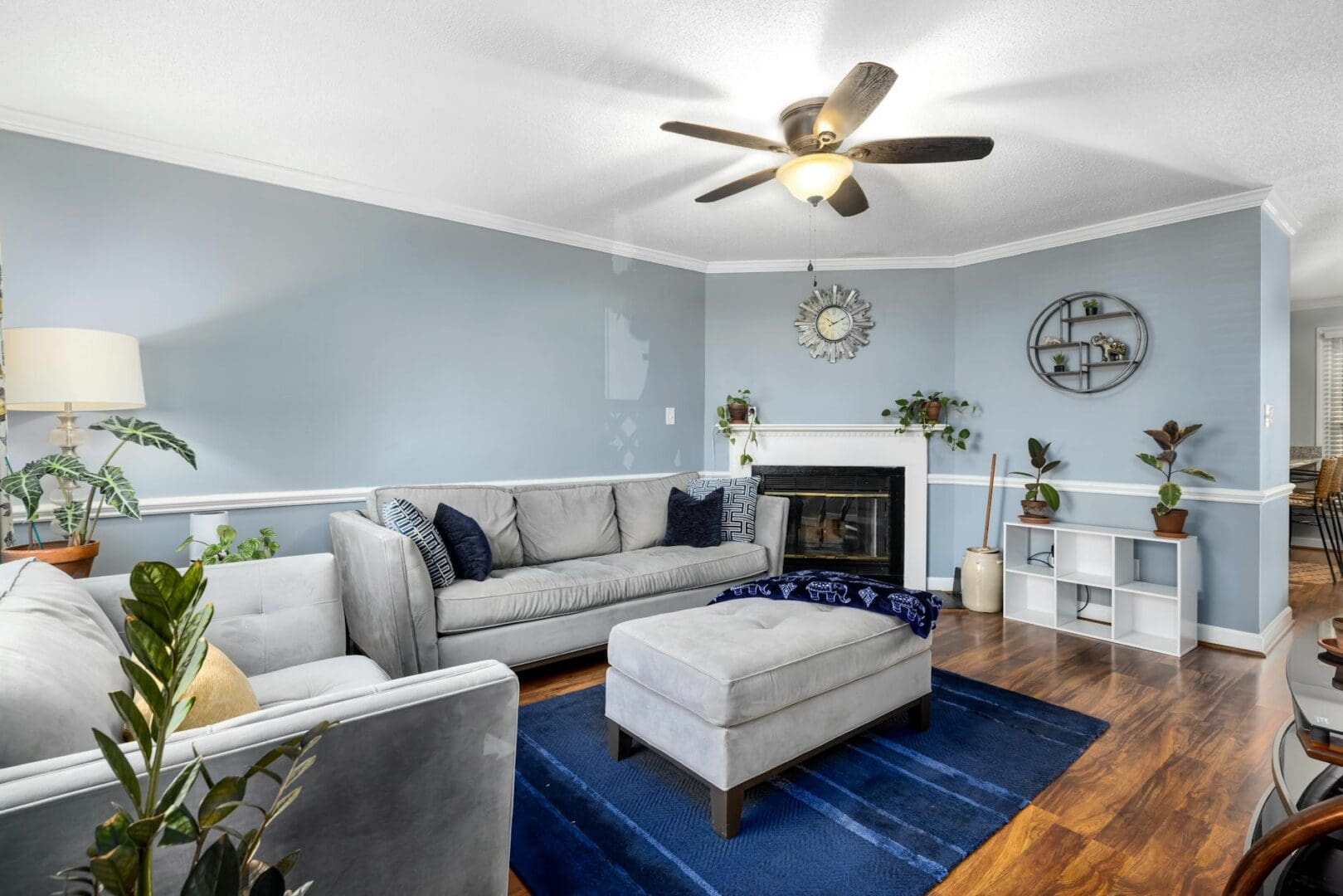
You know the room. The one with the fireplace that’s not centered, windows in weird places, doorways on three different walls, or that angled corner that seems designed to reject furniture. Finding a sofa that actually works in an awkward layout can feel impossible, but the right piece is out there—you just need to think differently about the space.
Start With Traffic Flow, Not Wall Space
In rooms with challenging layouts, the biggest mistake is trying to push a traditional sofa against the longest wall and calling it done. Instead, map out how people actually move through the space. Where are the natural pathways from doorway to doorway? Which zones feel cramped?
A sofa that floats in the middle of the room can actually solve multiple problems at once. It creates a defined seating area while leaving walkways clear around the perimeter. Look for sofas with finished backs—not just fabric stretched over a frame—so they look intentional from all angles. Mid-century modern and contemporary styles often have cleaner backs that work well for floating arrangements.
For rooms with multiple doorways eating up wall space, consider an apartment-size sofa (72-80 inches) instead of a standard full-size one. You’ll maintain proper clearance while still having functional seating. Budget options start around $600, while well-constructed mid-range pieces run $1,200-2,500.
Modular and Sectional Solutions
Awkward rooms often have odd corners or L-shaped configurations that regular sofas can’t address. This is where sectionals and modular sofas shine—they’re specifically designed to hug corners and fill unusual footprints.
A compact L-shaped sectional can maximize seating in a corner while keeping the center of the room open. Look for pieces around 80×80 inches or smaller for tight spaces. If your awkward layout includes angled walls or bay windows, modular sofas with separate pieces let you create custom configurations that work with—not against—the architecture.
The real magic of modular systems is flexibility. You can rearrange pieces if your needs change or you move to a different space. Expect to invest $1,500-3,000 for quality modular sofas with durable frames and decent cushioning, though budget-friendly options exist around $800-1,200.
One caution: chaise sectionals are wonderful, but that extended chaise end needs roughly 60 inches of clear space. If your awkward room includes narrow sections, a standard three-seater with an ottoman might give you more flexibility.
Scale and Proportion Matter More in Tricky Spaces
When your room layout is already working against you, scale becomes critical. An oversized sofa in a room with awkward proportions will amplify every problem, making pathways feel cramped and the entire space claustrophobic.
Low-profile sofas with exposed legs are your friend here. They take up less visual weight and create sight lines that make rooms feel larger. Track-arm or English-arm styles tend to be more compact than rolled or tuxedo arms, saving you several inches of width without sacrificing seating.
Measure obsessively before you buy. Know the exact dimensions of your walkways (aim for at least 30 inches), the clearance around doorways, and how far furniture should sit from heat sources. Many awkward layouts have radiators, floor vents, or return ducts in inconvenient spots that limit placement options.
If you’re working with a genuinely tiny or oddly proportioned room, loveseat-and-chair combinations often work better than trying to squeeze in a full sofa. You can position pieces to have a conversation area without blocking the room’s natural flow.
Consider Alternative Configurations
Sometimes the best solution isn’t a traditional sofa at all. A pair of loveseats positioned perpendicular to each other can create an intimate seating area while working around architectural obstacles. This approach works especially well in rooms with fireplaces off-center or large windows breaking up wall space.
Apartment sofas with slim profiles (30-32 inches deep instead of the standard 36-40 inches) can fit in spaces where regular sofas simply won’t work. You sacrifice some lounging depth, but you gain a functional room layout. Backless sofas or daybeds pushed against walls in long, narrow rooms can provide seating without the bulk of a full back.
The key is matching the furniture to the room’s reality rather than fighting it. Your awkward layout might actually open up creative seating arrangements that feel more interesting than the standard sofa-facing-TV setup everyone else has.
Once you understand your room’s traffic patterns and constraints, choosing the right sofa becomes less about finding something to fill space and more about finding a piece that enhances how you actually live in the room. Take your measurements, think creatively about placement, and don’t be afraid to break the rules about where sofas “should” go.
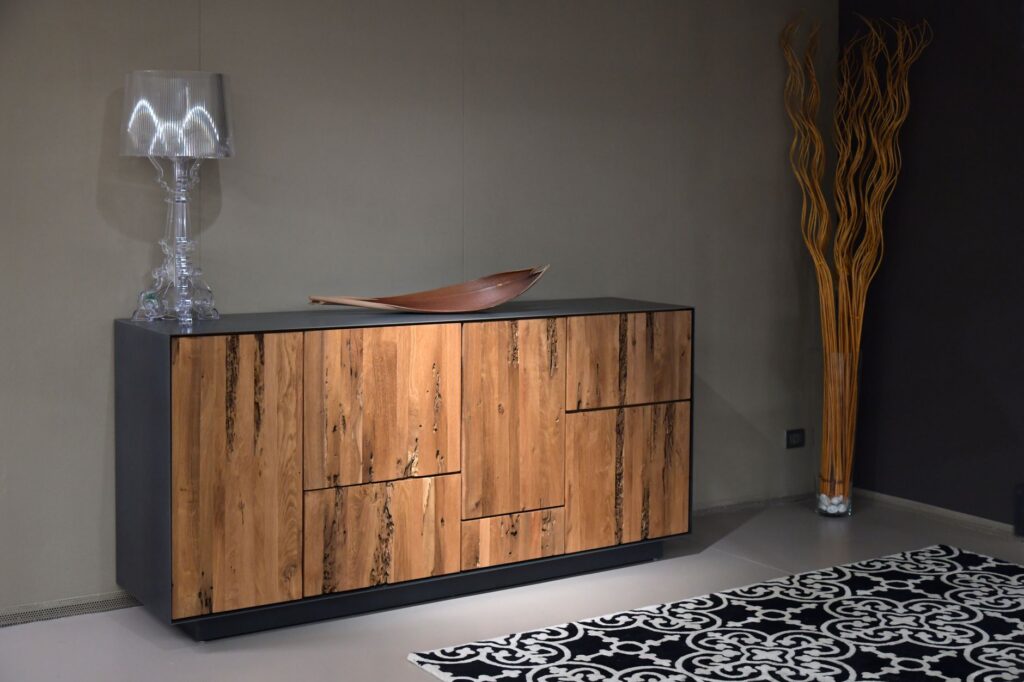
You need more storage in your living room, but a bulky bookcase feels too heavy and floating shelves aren’t cutting it. A credenza might be exactly what you’re looking for—it’s that low-profile cabinet that gives you tons of hidden storage while creating a beautiful surface for lamps, plants, and the things you actually want to […]
If you’ve been hitting snooze repeatedly or dragging yourself out of bed feeling groggy, you’re not alone. Waking up to a jarring alarm in a dark room works against your body’s natural rhythms, especially during winter months. A sunrise alarm clock mimics natural dawn, gradually filling your room with light to ease you awake. But […]
Waking up at 3 a.m. with a sweaty neck and flipping your pillow to the cool side for the fourth time isn’t just annoying—it’s robbing you of quality sleep. If you’re a hot sleeper, your pillow might be trapping heat against your head and neck all night long. The good news? The right cooling pillow […]