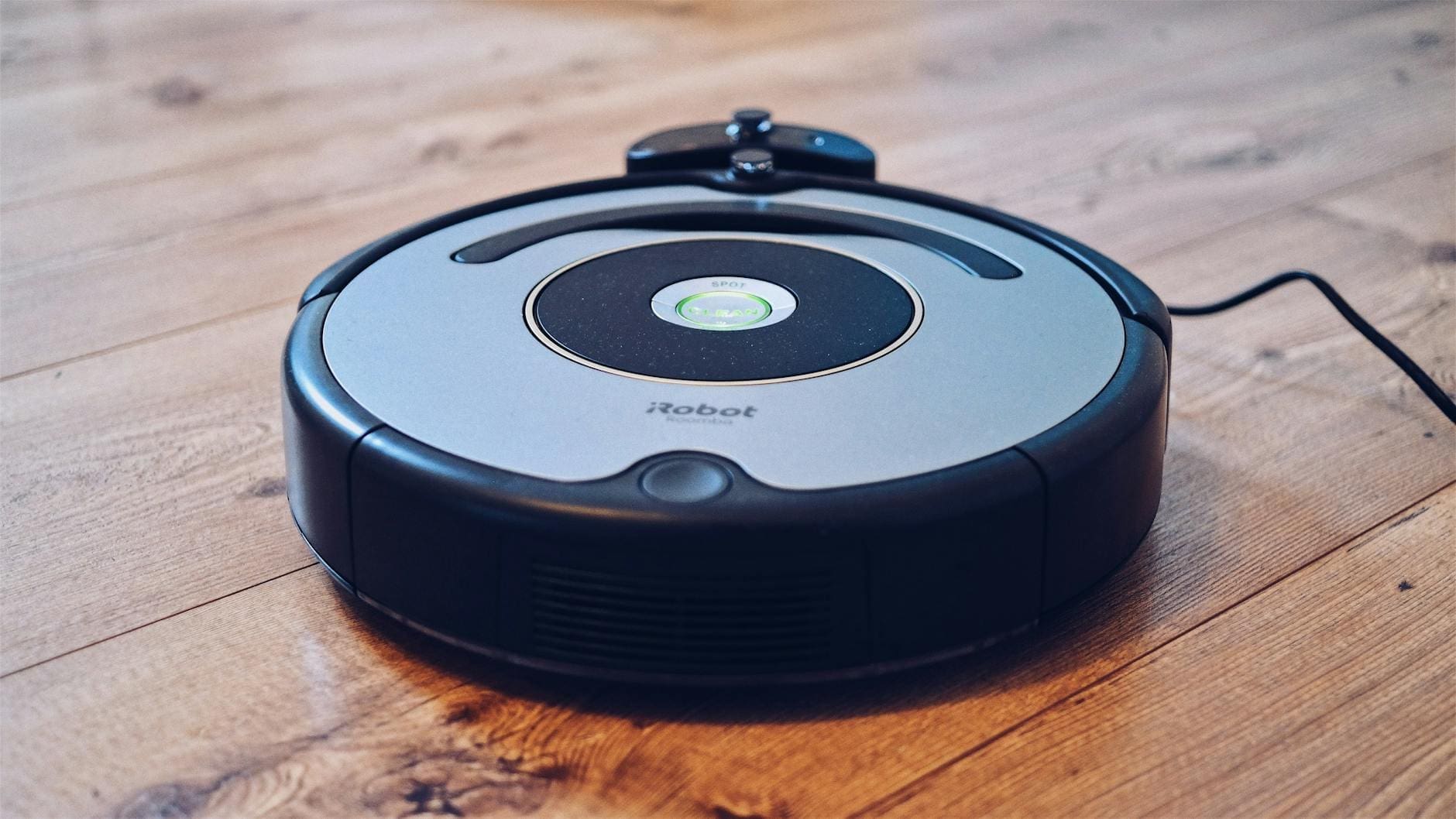
If you’ve got multiple floors in your home, you’ve probably wondered whether a robot vacuum can actually handle the job. The good news? The right one absolutely can. The tricky part is figuring out which features you actually need versus which ones are just nice marketing buzzwords. Let’s walk through what really matters when you’re shopping for a robot vacuum that needs to tackle stairs, different floor types, and rooms spread across multiple levels.
Mapping and Navigation Technology
The brain of your robot vacuum makes all the difference in a multi-floor home. Older models that just bounce around randomly won’t cut it when you need efficient cleaning across different levels.
Look for models with smart mapping technology—specifically LIDAR or camera-based navigation systems. These create and save multiple floor plans, so your vacuum remembers the layout of your first floor, second floor, and basement separately. This means it won’t try to find your kitchen when you’ve placed it upstairs in the hallway.
Budget models ($200-$350) often use basic sensors and random patterns. Mid-range options ($400-$600) typically include gyroscope navigation that’s reasonably smart. Premium models ($600-$1,200+) offer true multi-floor mapping with the ability to save 3-5 different floor plans. If you’re serious about using one vacuum for multiple floors, that premium feature pays for itself in convenience.
Handling Different Floor Surfaces
Multiple floors usually means multiple surface types—maybe hardwood downstairs, carpet in the bedrooms, tile in the basement. Your robot vacuum needs to transition smoothly between these without getting stuck or missing spots.
Key features to prioritize include automatic carpet detection that boosts suction when it hits rugs or carpet, and height adjustment capabilities. The vacuum should handle transitions from hardwood to area rugs without beaching itself on the edge like a confused turtle.
Pay attention to suction power ratings, measured in Pascals (Pa). Basic models offer 1,000-1,500 Pa, which handles hard floors fine but struggles with carpet. For homes with both surfaces, look for at least 2,000-2,500 Pa. If you have plush carpeting on any floor, consider models with 3,000+ Pa.
Also check the brush design. Dual rubber rollers work better than bristle brushes for homes with varied flooring, as they adjust better to different heights and are less likely to scatter debris on hard surfaces.
Battery Life and Recharge-and-Resume
Here’s where multi-floor homes get tricky: you’re probably not setting up a charging dock on every level. That means your vacuum needs enough battery to clean an entire floor in one go, or at least be smart enough to finish the job after recharging.
Runtime varies widely—from 60 minutes on budget models to 180+ minutes on premium ones. Honestly assess your floor size. A 1,200 square foot level might need 90-120 minutes depending on furniture density and floor type. Carpeted floors drain batteries faster than hardwood.
Recharge-and-resume is non-negotiable if you have larger floors. This feature lets the vacuum return to its dock, top up the battery, then continue cleaning where it left off. Without this, you’ll come home to a partially cleaned floor and a dead vacuum sitting in the middle of your hallway.
Portability and Physical Considerations
Let’s be practical: unless you’re buying multiple units, you’ll be carrying this vacuum between floors. Most robot vacuums weigh 6-8 pounds, which sounds manageable until you’re hauling it up and down stairs daily.
Consider where you’ll store it between uses. Some people keep the main dock on the most-used floor and carry the vacuum as needed. Others buy extra charging docks for convenience (usually $50-$80 each, and yes, most brands sell them separately).
Also think about virtual boundaries. If you have stairs without doors, you’ll want a model with reliable cliff detection sensors—they’re standard now, but quality varies. Better yet, look for models that work with magnetic strips or virtual walls you can place at the top of stairs for extra peace of mind.
Ultimately, the best robot vacuum for your multi-floor home balances smart mapping, strong battery life, and enough suction to handle your mix of surfaces. If you’re only planning to buy one unit, lean toward the mid-to-premium range where multi-floor mapping becomes standard. Your future self, not hauling a traditional vacuum up and down stairs, will thank you.
If you’re shopping for an air purifier, you’ve probably noticed two main technologies dominating the market: ionic purifiers and HEPA filters. Both promise cleaner air, but they work in completely different ways—and when it comes to safety, one has a clear advantage. Let’s break down what you actually need to know to make the right […]
You know you want cleaner air at home, but standing in front of air purifier options can feel overwhelming. Should you invest in a whole house system that integrates with your HVAC, or stick with portable units you can move from room to room? The answer depends on your home’s layout, your budget, and how […]
Did You Know? The Declaration of Independence Was Likely Written in a Windsor Chair As America celebrates 250 years of independence, it’s worth looking at one of the quieter witnesses to that history: the humble Windsor chair. Thomas Jefferson is said to have drafted the Declaration of Independence while seated in an unusual revolving Windsor […]