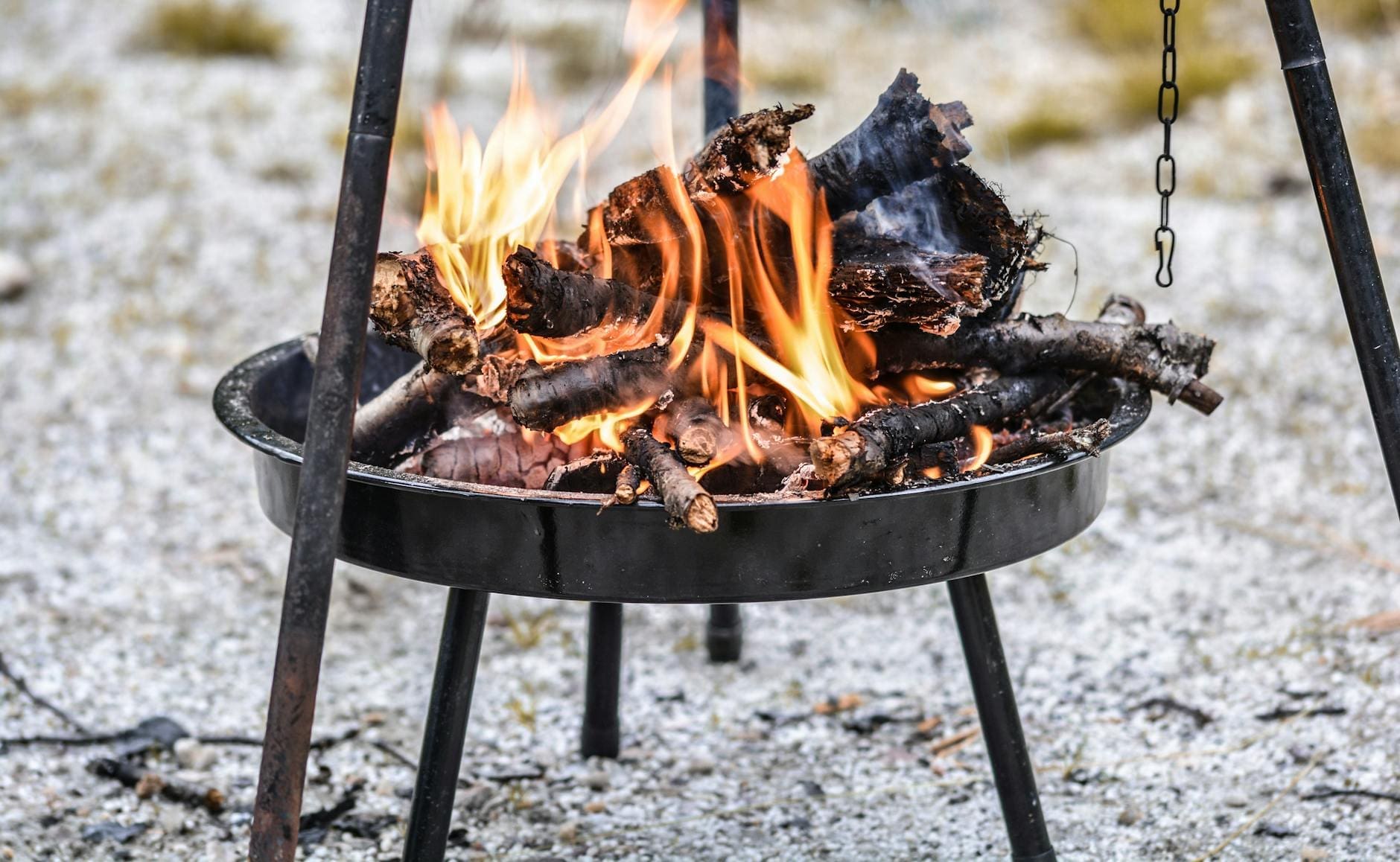
There’s something magical about gathering around a fire at your campsite—the warmth, the crackling sounds, the perfect backdrop for stories and s’mores. But not every campground allows you to build a traditional fire on the ground, and let’s be honest, setting up and breaking down a stone ring gets old fast. A portable fire pit solves both problems, giving you a contained, transportable fire source that packs up when you’re ready to move on. The trick is finding one that actually fits your camping style without adding unnecessary bulk or headaches to your setup.
Size and Portability: What You Can Actually Carry
The whole point of a camping fire pit is portability, but that means different things depending on how you camp. If you’re backpacking, every ounce matters—look for ultralight collapsible fire pits made from stainless steel mesh that fold flat and weigh under two pounds. These typically measure 12-15 inches in diameter when set up.
For car camping or RV trips, you have more flexibility. Standard portable fire pits range from 19 to 24 inches in diameter and weigh between 15 and 40 pounds. They’re still manageable but offer a more substantial fire experience. Consider whether you’ll be carrying it from your vehicle to the campsite—a pit with handles or a carrying case makes a real difference.
Pay attention to packed dimensions too. Some models collapse or nest together to save space, while others are one solid piece. If trunk space is tight, a collapsible model that compresses to just a few inches thick might be worth the extra cost.
Fuel Type: Wood, Propane, or Wood Pellets
Your fuel choice shapes the entire experience. Traditional wood-burning fire pits give you that authentic campfire feel—real flames, the smell of burning wood, and the ability to cook directly over the fire. They work anywhere wood is available and legal to burn. Just check campground regulations first, as some areas restrict wood fires during dry seasons.
Propane fire pits offer convenience and control. They light instantly with a switch, produce no smoke or flying embers, and work even in areas with burn bans (though always verify local rules). They’re cleaner and easier to extinguish, but you’ll need to pack propane tanks and you lose that classic campfire ambiance. These typically run $80-$250 depending on size and features.
Wood pellet fire pits split the difference—they burn cleaner than logs with less smoke, take up less storage space than propane tanks, and still give you real flames. They’re the newest option and tend to cost more upfront ($150-$400), but pellets are efficient and widely available.
Material and Durability: Built to Last Outdoors
Your fire pit will face heat, moisture, and rough handling, so construction matters. Stainless steel is the gold standard—it resists rust, handles high heat, and lasts for years. Most quality camping fire pits use 304-grade stainless steel, which holds up beautifully in all weather.
Carbon steel fire pits cost less (budget options start around $40) but require more maintenance. They’ll develop a patina over time and may rust if not properly dried and stored. Some campers actually prefer this weathered look, and with occasional care, they still last many seasons.
Look for features like heat-resistant coatings, reinforced legs, and mesh screens or spark guards. A good ash pan or catch system makes cleanup much easier—trust me, you don’t want to be scraping out a fire pit at 6 AM when you’re trying to hit the road. Removable parts are helpful for deep cleaning at home between trips.
Price Ranges: What to Expect
Budget-friendly fire pits ($40-$80) are typically basic carbon steel wood-burners without many extras. They work fine for occasional campers or those testing the waters before committing to something pricier.
Mid-range options ($80-$200) offer better materials like stainless steel, collapsible designs, included carrying cases, and features like adjustable airflow or cooking grates. This is the sweet spot for regular campers who want durability and convenience.
Premium fire pits ($200-$400+) deliver advanced engineering—think ultralight materials for backpackers, sophisticated propane systems with adjustable flames, or innovative designs that maximize heat while minimizing smoke. Worth it if you camp frequently or have specific needs.
Choosing a portable fire pit really comes down to matching the design to your camping habits. Consider how you’ll transport it, what kind of fire experience you want, and how much maintenance you’re willing to handle. A well-chosen fire pit becomes a camping staple you’ll use for years, turning good camping trips into great ones with minimal fuss and maximum coziness around the flames.
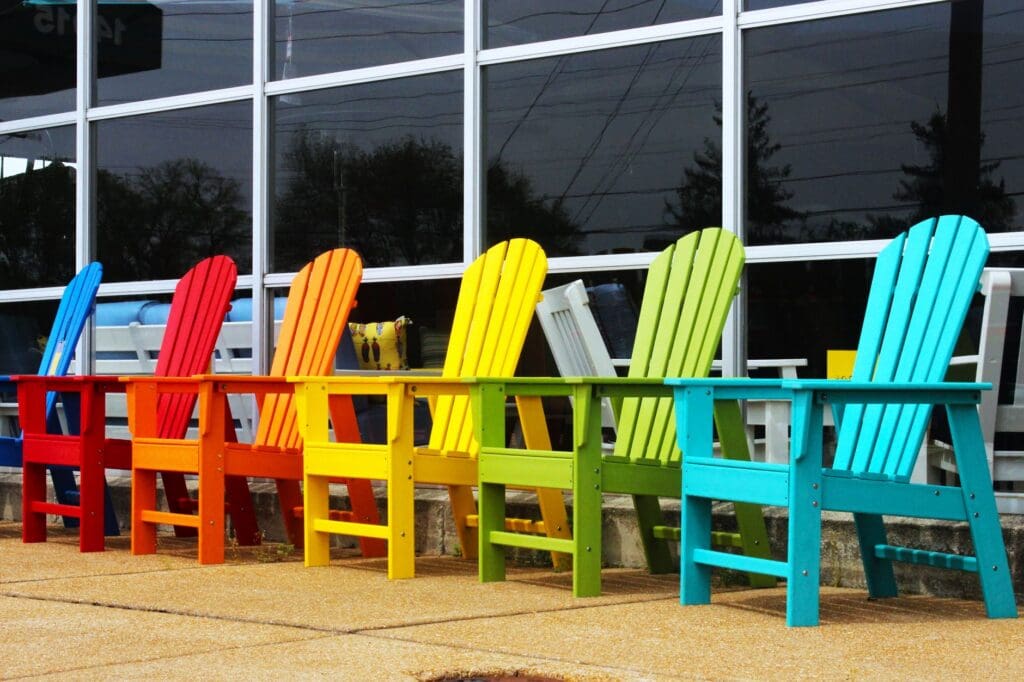
You’ve fallen for the classic look of Adirondack chairs, but now you’re stuck at the fork in the road: traditional wood or modern poly? It’s not just about aesthetics—this decision affects how much time you’ll spend on maintenance, how long your chairs will last, and whether you’ll be repainting in two years or still enjoying […]
There’s something wonderfully ironic about the Adirondack chair’s origin story. Back in 1903, Thomas Lee was vacationing in Westport, New York, frustrated by the lack of comfortable outdoor seating that could handle the sloped terrain of his property. So he built a wide-backed, slatted chair with a reclined seat—and accidentally created an icon. Today, you’ll […]
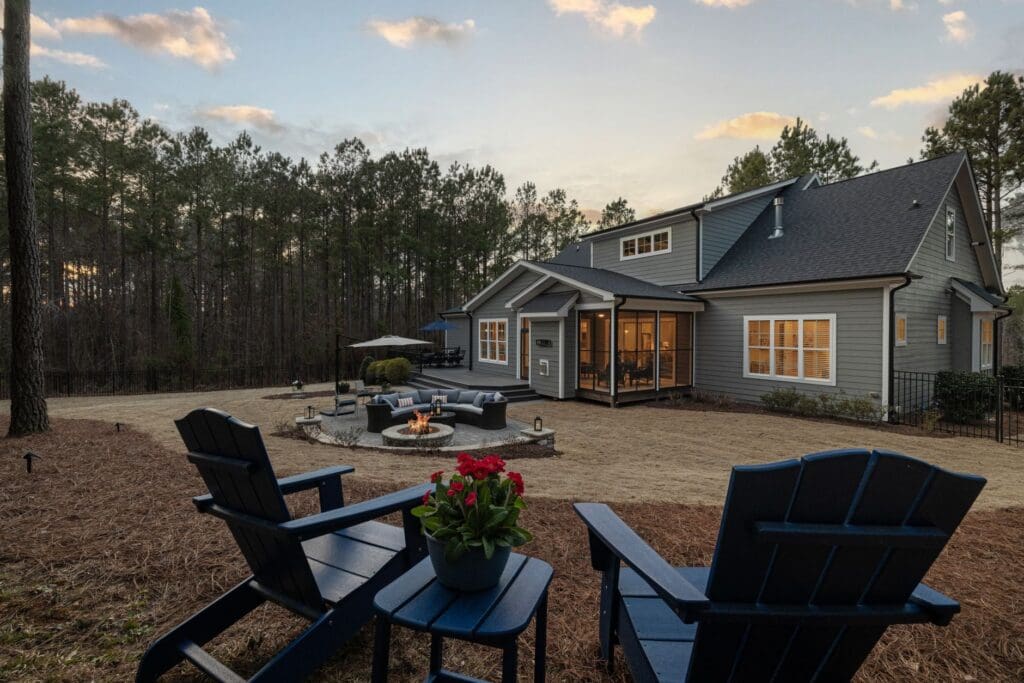
A dark backyard feels smaller, less usable, and honestly a bit uninviting once the sun goes down. Whether you’re trying to make your outdoor space safer, extend your entertaining hours, or simply discourage unwanted visitors, the right flood lights can completely transform how you use your yard after dark. The challenge is figuring out which […]