The right pendant light can transform your dining room from forgettable to show-stopping. But walk into any lighting showroom or scroll through options online, and you’ll quickly realize there are thousands of choices. How many pendants do you need? How low should they hang? And how do you pick a style that won’t feel dated in two years? Let’s break down exactly what to consider so you can find fixtures that look beautiful and work perfectly for your space.
Getting the Size and Scale Right
This is where most people get tripped up, but there’s actually a simple formula. For a single pendant centered over your table, measure your table’s width in feet, then convert that number to inches for your fixture diameter. So a 4-foot-wide table pairs well with a pendant that’s roughly 24 inches wide. If your table is longer than it is wide, consider using multiple smaller pendants instead of one large fixture.
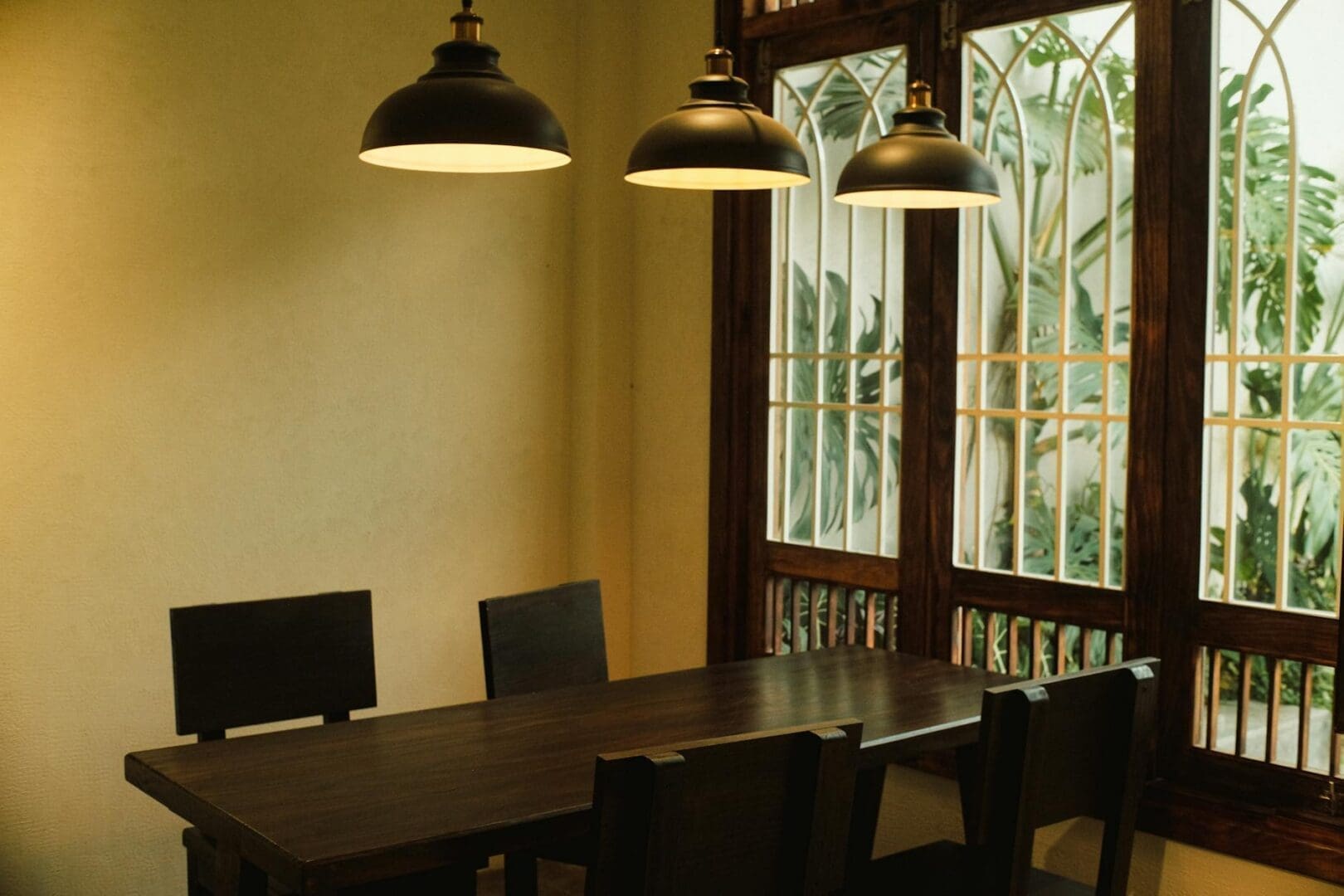
For multiple pendants in a row, aim for fixtures between 10 to 18 inches in diameter, depending on your table size. A standard 6-foot dining table typically looks best with two to three pendants spaced evenly across the length. The key is leaving enough breathing room—your pendants shouldn’t feel crowded or compete with each other visually.
Don’t forget about your ceiling height. Pendants should hang 30 to 36 inches above your table surface in rooms with 8-foot ceilings. If you have higher ceilings, you can add 3 inches of length for every additional foot of ceiling height. This keeps the light at the right level for illuminating dinner without creating glare or blocking sightlines across the table.
Choosing a Style That Works With Your Space
Your pendant lights should complement your dining room’s existing style, but they can also be the statement piece that defines it. Modern and contemporary spaces work beautifully with geometric shapes, clean-lined metal fixtures, or sculptural glass designs. Traditional dining rooms often call for classic drum shades, lantern-style pendants, or fixtures with decorative details like crystal or brass accents.
Farmhouse and transitional styles have more flexibility—you can go with industrial cage pendants, woven rattan shades, or simple globe lights. The material matters just as much as the shape. Glass pendants feel lighter and work well in smaller spaces, while metal fixtures make bolder statements. Fabric drum shades soften the light and add warmth, making them ideal if your dining room doubles as a homework station or game night headquarters.
Consider your table finish too. If you have a dark wood table, lighter fixtures prevent the space from feeling too heavy. Light or glass tables can handle more substantial, darker pendants without overwhelming the room.
Practical Considerations: Light Output and Dimming
Beautiful fixtures that don’t provide enough light are just expensive decorations. Your dining room needs ambient lighting for meals and gatherings, so pay attention to bulb requirements and maximum wattage. Most dining spaces need around 3,000 to 6,000 lumens total, depending on room size.
Installing a dimmer switch is non-negotiable. You’ll want bright light for family dinners and homework, but softer lighting for date nights and dinner parties. Make sure any fixtures you choose are dimmable—not all LED-compatible pendants dim smoothly, so check reviews or specifications before buying.
Think about bulb visibility too. If your pendant has open or clear glass, you’ll see the bulbs, so choose attractive Edison-style bulbs or globe bulbs rather than standard ones. Enclosed or frosted fixtures hide the bulbs, giving you more flexibility.
Budget Planning: What to Expect
Pendant lights range dramatically in price. Budget-friendly options start around $50 to $150 per fixture and often feature simpler designs in basic finishes. You’ll find plenty of attractive choices here, especially from big-box retailers and online furniture stores.
Mid-range pendants ($150 to $400) offer better construction, more finish options, and more interesting designs. This is the sweet spot for most homeowners—fixtures look custom without the custom price tag.
Splurge-worthy fixtures ($400 and up) feature designer names, hand-blown glass, unique materials, or intricate metalwork. These make sense if your dining room is your home’s showpiece or if you’re completing a high-end renovation. Remember you’ll need to multiply by two or three if you’re hanging multiple pendants, so factor that into your budget from the start.
The right pendant lights pull your entire dining room together and create the perfect ambiance for everything from Tuesday night tacos to holiday gatherings. Now that you know what size you need, which style suits your space, and what features to prioritize, you’re ready to find fixtures that you’ll love looking at for years to come. Measure your table, check your ceiling height, and start exploring options that match both your style and your budget.
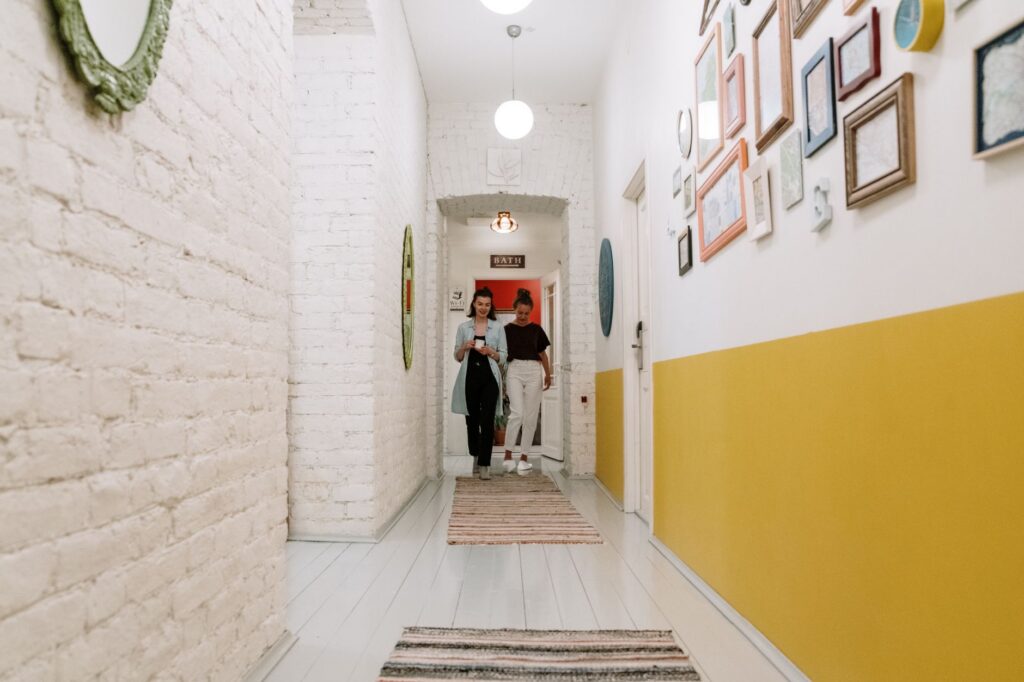
Hallways are the overlooked workhorses of our homes—they connect every room, but rarely get the storage love they deserve. A well-chosen sideboard transforms that narrow stretch of wall into genuinely useful space without making your hallway feel like an obstacle course. The trick is finding one that fits the proportions of the room while actually […]
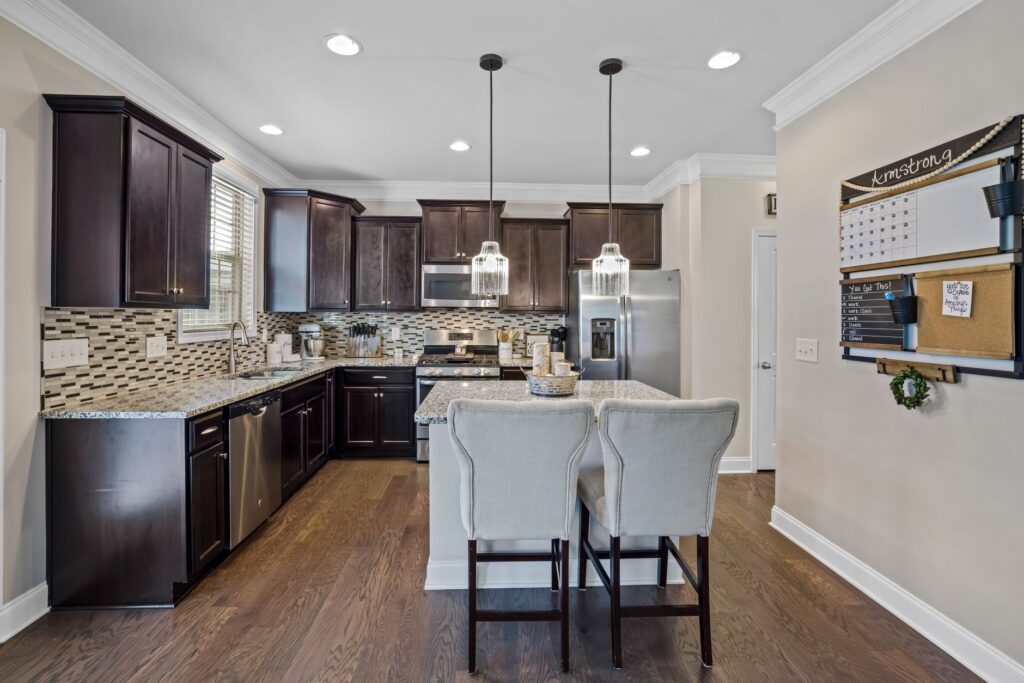
Dark kitchens—whether they feature rich espresso cabinets, moody charcoal walls, or black granite countertops—create incredible drama and sophistication. But they also present a unique challenge when it comes to choosing bar stools. Pick the wrong ones, and your beautiful space can feel cave-like or visually heavy. Choose wisely, and your stools become the bright spot […]
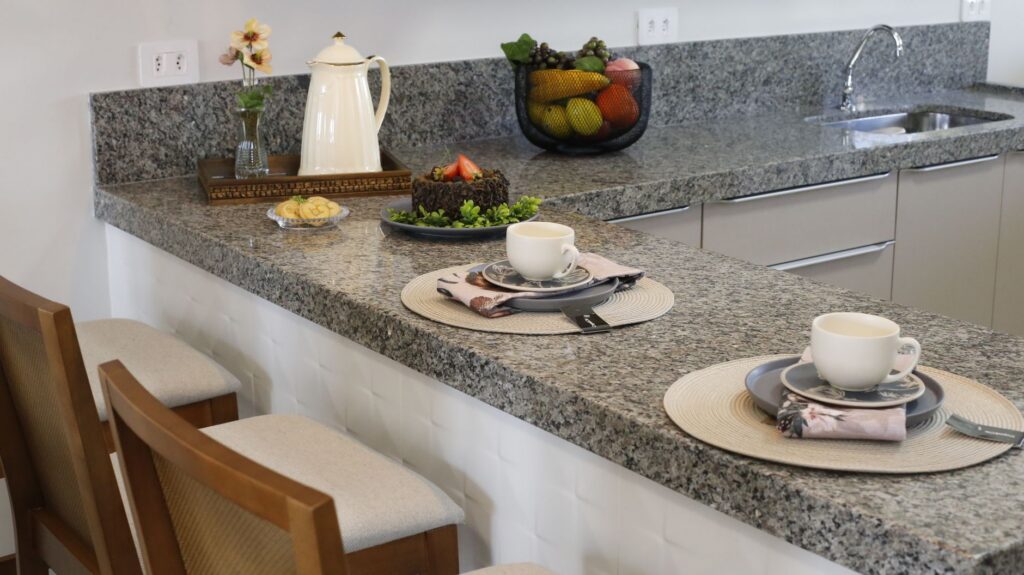
Your kitchen peninsula is prime real estate—it’s where morning coffee happens, where kids do homework while you’re prepping dinner, and where guests naturally gather during parties. Getting the right bar stools makes all the difference between a peninsula that feels welcoming and one that sits empty. But with so many options for height, style, and […]