Your teenager isn’t sleeping on that twin mattress from elementary school anymore—or at least, they shouldn’t be. Between growth spurts, increased academic pressure, and shifting sleep schedules, teens need a mattress that supports both their physical development and their need for quality rest. But with so many options out there, how do you choose one that’ll actually work for them without breaking the bank?
Size Matters More Than You Think
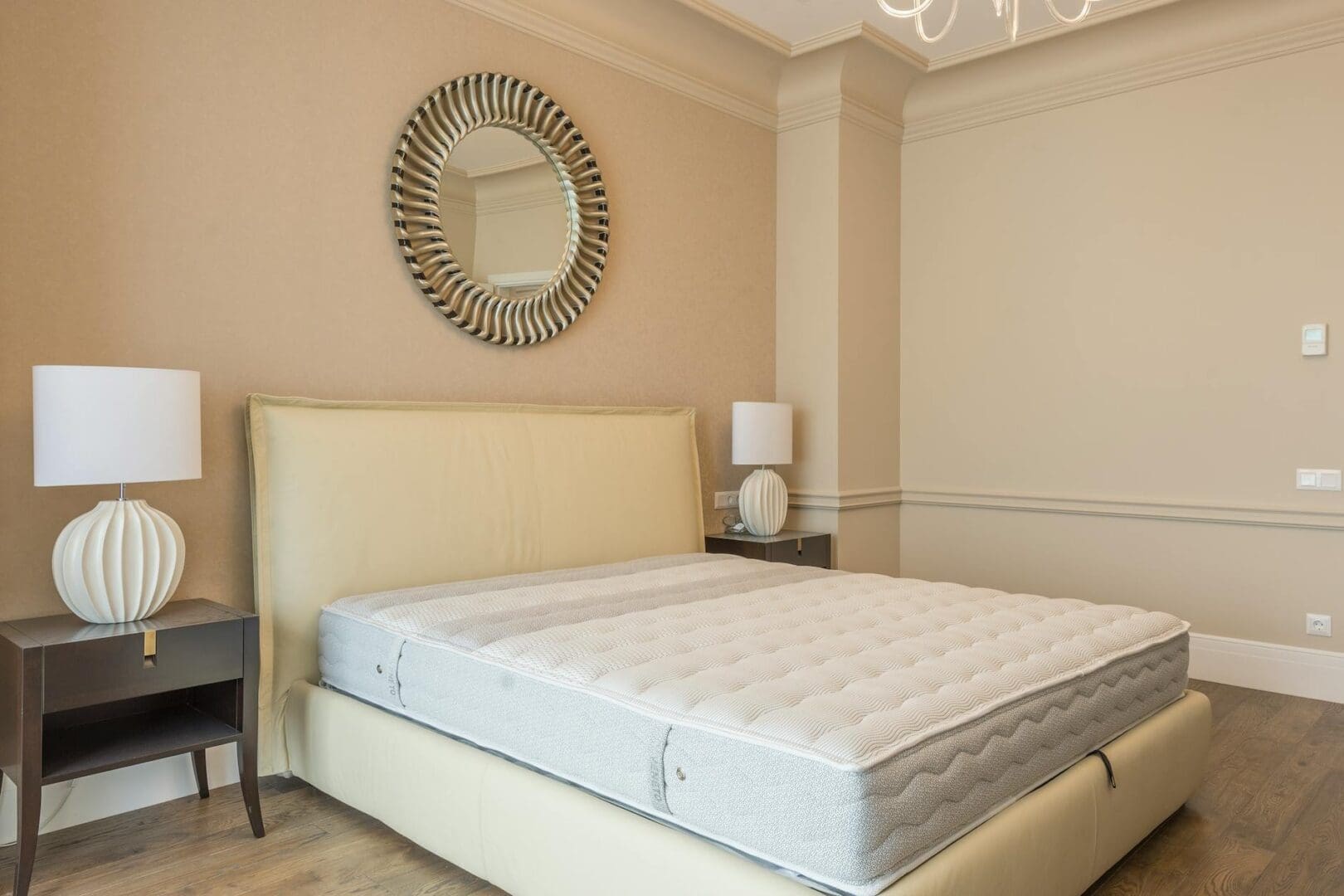
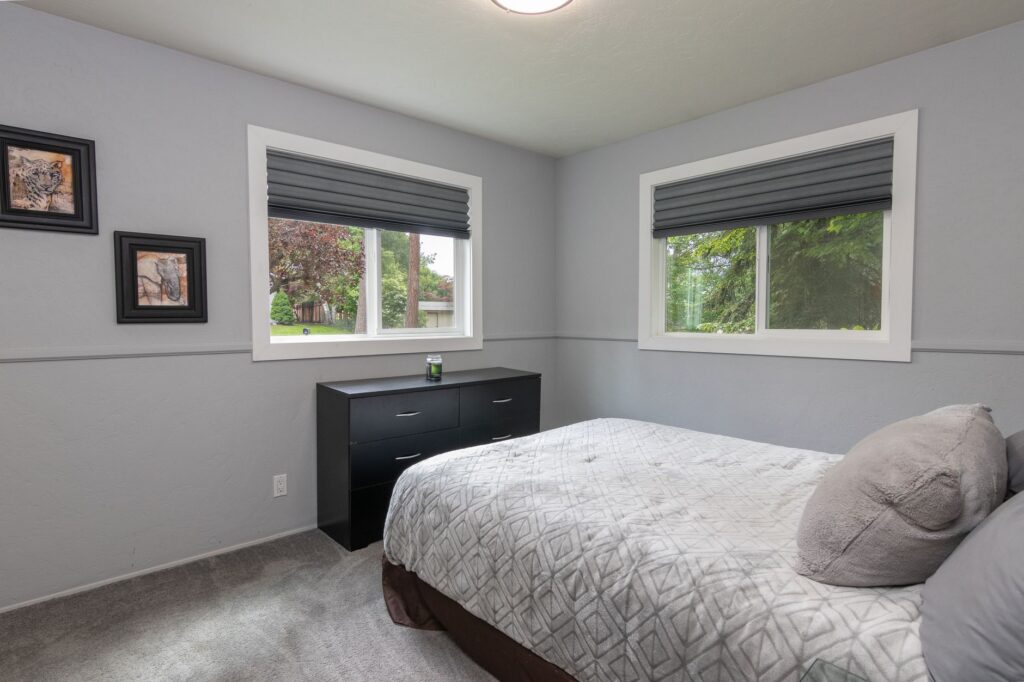
Most teenagers have outgrown a twin mattress, even if they haven’t quite admitted it yet. A full-size mattress (54″ x 75″) is the minimum you should consider for a teen’s room, offering enough space for them to stretch out comfortably without taking up excessive floor space. If your teen is particularly tall or you have the room for it, a queen (60″ x 80″) is worth the investment—they’ll use it through college and beyond.
Here’s the reality: that full-size mattress you buy now could easily last them into their twenties if you choose quality. Think of it as buying ahead rather than replacing in two years when they head off to college or their first apartment.
Support and Firmness for Growing Bodies
Teenagers are still growing, and their spines need proper support during sleep. A medium-firm mattress typically works best, offering enough give for comfort while keeping the spine aligned. Too soft, and they’ll sink in ways that can cause back pain; too firm, and they won’t get comfortable enough for deep sleep.
Consider these mattress types based on your teen’s needs:
Memory foam: Great for side sleepers and teens who toss and turn. Budget options start around $300-400, while quality memory foam runs $600-1,000 for a full size.
Hybrid mattresses: Combine springs with foam layers for support and cooling. Expect to spend $700-1,500 for a good hybrid that’ll last.
Innerspring: Traditional and breathable, ideal for stomach sleepers. You’ll find decent options from $400-800.
If your teen plays sports or is particularly active, consider a mattress with better pressure relief to help with muscle recovery. Memory foam and hybrid options excel here.
Temperature Regulation and Materials
Teenagers run hot—literally. Their metabolisms are higher, and let’s be honest, they’re not always great about keeping their rooms well-ventilated. A mattress that sleeps cool can make a real difference in sleep quality.
Look for mattresses with cooling gel-infused foam, breathable cover materials, or coil systems that promote airflow. Traditional innerspring mattresses naturally sleep cooler than solid memory foam, while hybrid mattresses offer a middle ground. If you’re going with memory foam, specifically seek out ones marketed as “cooling” or with gel infusions—the difference is noticeable.
Material quality matters for longevity too. CertiPUR-US certified foams are free from harmful chemicals and off-gassing, which is especially important in a teen’s bedroom where they’re spending 8-10 hours per night.
Budget-Friendly Options That Don’t Sacrifice Quality
You don’t need to spend $2,000 on a teenager’s mattress, but going with the cheapest option usually backfires. Plan to spend at least $400-600 for a full-size mattress that’ll provide adequate support and last more than a year or two.
In the $600-900 range, you’ll find solid mid-tier options with better materials, longer warranties, and improved durability. These mattresses typically last 7-10 years with proper care—taking your teen well into adulthood.
If budget is tight, consider buying during major sales events (Memorial Day, Labor Day, Black Friday) when quality mattresses often drop 20-40% in price. Also, many bed-in-a-box brands offer trial periods, so your teen can actually test whether the firmness works for them.
Choosing the right mattress for your teenager means balancing their immediate comfort needs with long-term value. A full or queen-size mattress in medium-firm, with decent cooling properties and quality materials, will serve them well through these crucial growth years and beyond. Focus on support first, then comfort features, and don’t be afraid to involve your teen in the decision—they’re more likely to appreciate and take care of something they helped choose.
Shopping for a dresser for your child’s room feels different than buying one for yourself. You’re not just thinking about today—you’re wondering if it’ll survive the toddler years, hold up through elementary school, and maybe even make it to the teenage bedroom. The good news? With the right approach, you can find a dresser that […]
You’ve found the perfect bed frame, but now your old dresser looks completely out of place. Or maybe you’re starting fresh and wondering whether you need to buy a matching bedroom set. The truth is, coordinating your dresser and bed frame isn’t about finding exact matches—it’s about creating visual harmony through smart choices about style, […]
Adding a dresser to your walk-in closet can transform it from a simple hanging space into a fully functional dressing room. But unlike choosing a dresser for your bedroom, closet dressers have different requirements—they need to fit within existing dimensions, complement built-in systems, and maximize storage without creating obstacles. Whether you’re designing a new closet […]