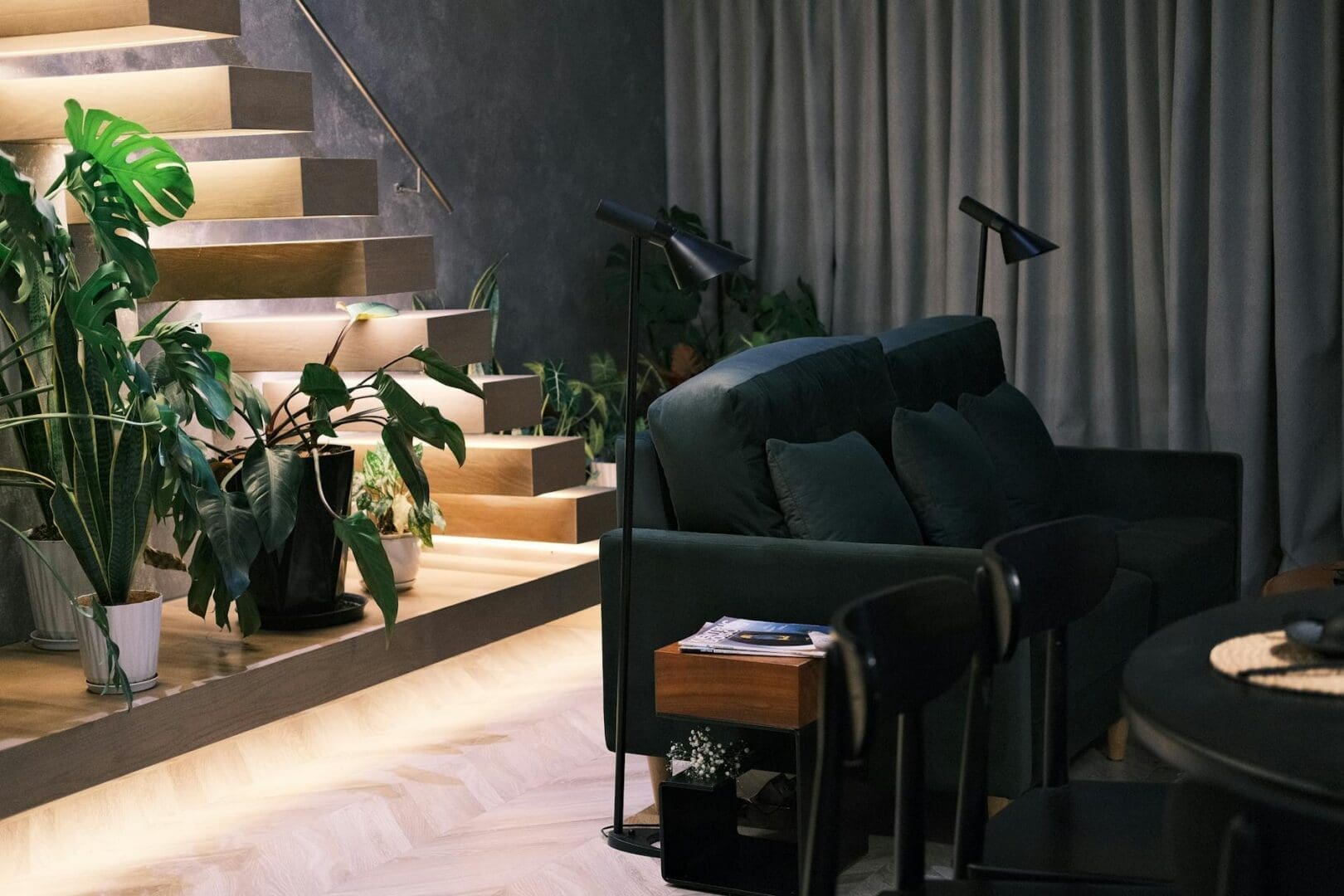
That north-facing living room. The windowless bathroom. The cozy corner office where natural light barely reaches. These spaces deserve the life and beauty that plants bring, but choosing the wrong greenery means watching it slowly decline. The good news? Plenty of gorgeous plants actually prefer shadier spots, and knowing which ones will save you money, frustration, and guilt over yet another wilted houseplant.
Understanding What “Low Light” Really Means
Before you shop, it helps to understand what low light actually means for plants. Low light doesn’t mean no light—it typically means spaces 10-15 feet from a window, rooms with only north-facing windows, or areas that get bright indirect light for just a few hours daily. If you can comfortably read a book without turning on a lamp during the day, you’ve got enough light for low-light plants.
The tricky part is that most plant tags are optimistic about light requirements. When a label says “low to medium light,” it often thrives better in medium conditions. True low-light champions tolerate the dimmer spots without getting leggy or losing leaves. These are the plants you want for hallways, bathrooms without windows, or that empty corner opposite your windows.
The Best Low Light Plants by Room and Style
For spaces where you want dramatic impact, consider snake plants (sansevieria) or ZZ plants. Both have sculptural upright forms that work beautifully in modern or minimalist spaces. Snake plants run $15-30 for small sizes up to $100+ for statement-sized specimens. ZZ plants fall in a similar range and handle serious neglect—perfect if you travel frequently.
Pothos and philodendrons offer a softer, cascading look ideal for shelves or hanging planters. They’re also budget-friendly, typically $10-25 for healthy starter plants that grow quickly. The heart-leaf philodendron works especially well in traditional or cottage-style homes, while pothos varieties like ‘Marble Queen’ add visual interest with variegated leaves.
If you want something lush and full, cast iron plants and Chinese evergreens deliver volume. Cast iron plants live up to their name—they survive in conditions that would kill other plants. Chinese evergreens come in stunning varieties with pink, red, or silver markings, ranging from $20-60 depending on size and variety. Both work wonderfully as floor plants flanking a sofa or filling an empty corner.
For smaller spaces, peace lilies and dracaenas offer vertical interest without overwhelming a room. Peace lilies even produce white blooms in low light and helpfully droop when they need water, making them foolproof for beginners. Expect to pay $15-40 for most sizes.
Matching Pot Size and Plant Care to Your Lifestyle
Low light plants generally need less water than their sun-loving cousins, since they’re not photosynthesizing as actively. This actually works in your favor—you’re less likely to overwater and cause root rot, which kills more houseplants than any other issue.
Start with plants in 4-6 inch pots for tabletops and shelves, or 8-10 inch pots for floor plants. Bigger isn’t always better initially; it’s easier to keep smaller plants properly watered while you learn their rhythms. Plan to water most low-light plants every 10-14 days, checking soil moisture first.
Choose pots with drainage holes whenever possible. If you’ve fallen for a decorative pot without drainage, use it as a cachepot—keep the plant in its nursery pot inside the prettier container. This simple trick prevents waterlogged roots and lets you easily remove the plant to drain excess water.
Signs You’ve Chosen the Right (or Wrong) Plant
A thriving low-light plant grows slowly but steadily, maintains its color, and produces new leaves every few months. Leaf color should stay consistent—deep greens for most varieties, or whatever pattern your variegated plant showed when you bought it.
Warning signs include yellowing lower leaves (usually overwatering), brown crispy edges (underwatering or low humidity), or stretching toward the light source (not enough light even for a “low light” plant). If your plant is struggling, try moving it a few feet closer to a window before giving up on it.
The best approach is to start with one or two proven performers like pothos or snake plants. Once you’ve kept those alive for a few months, you’ll have a much better sense of your home’s light levels and your own plant-care habits. From there, you can expand your collection with confidence, transforming even your dimmest rooms into green, inviting spaces.
You need more storage in your living room, but a bulky bookcase feels too heavy and floating shelves aren’t cutting it. A credenza might be exactly what you’re looking for—it’s that low-profile cabinet that gives you tons of hidden storage while creating a beautiful surface for lamps, plants, and the things you actually want to […]
If you’ve been hitting snooze repeatedly or dragging yourself out of bed feeling groggy, you’re not alone. Waking up to a jarring alarm in a dark room works against your body’s natural rhythms, especially during winter months. A sunrise alarm clock mimics natural dawn, gradually filling your room with light to ease you awake. But […]
Waking up at 3 a.m. with a sweaty neck and flipping your pillow to the cool side for the fourth time isn’t just annoying—it’s robbing you of quality sleep. If you’re a hot sleeper, your pillow might be trapping heat against your head and neck all night long. The good news? The right cooling pillow […]