You’ve got the bed frame sorted, but your bedroom still feels incomplete. A headboard transforms your bed from a floating piece of furniture into an intentional focal point—plus it keeps your pillows from sliding off and protects your wall from scuffs. The challenge? With hundreds of styles, materials, and mounting options available, choosing the right headboard can feel overwhelming.
Here’s what you need to know to find a headboard that works with your bed frame, fits your space, and matches your style.
Getting the Size Right
The most important technical decision is sizing. Your headboard should match your mattress width—not your bed frame. A queen mattress is 60 inches wide, so you’ll want a queen headboard. Simple enough, but here’s where people get tripped up: headboards often extend beyond the mattress width by a few inches on each side, which is totally normal and actually looks better.
Height matters too. Standard headboards range from 48 to 60 inches tall from the floor, but you’ll find options as low as 14 inches (just a slight rise above the mattress) or as tall as 65 inches for a dramatic statement. Consider your ceiling height and whether you want the headboard to feel substantial or subtle. If you have a low-profile platform bed, a taller headboard can add vertical interest. With a thicker mattress or pillow-top, you might want to go higher so the headboard doesn’t disappear.
Measure your space carefully. You need about 4 inches of clearance on each side of your bed for making it and walking around, and if your headboard is wider than your mattress, factor that into your room layout.
Mounting Style and Compatibility
Not all headboards attach the same way, and this is where compatibility with your bed frame becomes crucial. Most headboards fall into three categories:
Bed frame-mounted headboards bolt directly to your bed frame using pre-drilled holes. Check if your frame has these attachment points—most metal frames and many platform beds do.
Freestanding headboards have their own legs and simply stand behind your bed. These work with any bed frame and are easiest to install, but they can shift around if you’re not careful.
Wall-mounted headboards attach directly to your wall with brackets, floating independently from your bed frame. Great for adjustable beds or if your frame lacks attachment hardware, but they require finding studs and drilling into walls.
Before you fall in love with a specific headboard, confirm it’s compatible with your bed frame setup. Some headboards include conversion brackets to work with multiple mounting styles, which gives you flexibility if you change bed frames later.
Material and Style Considerations
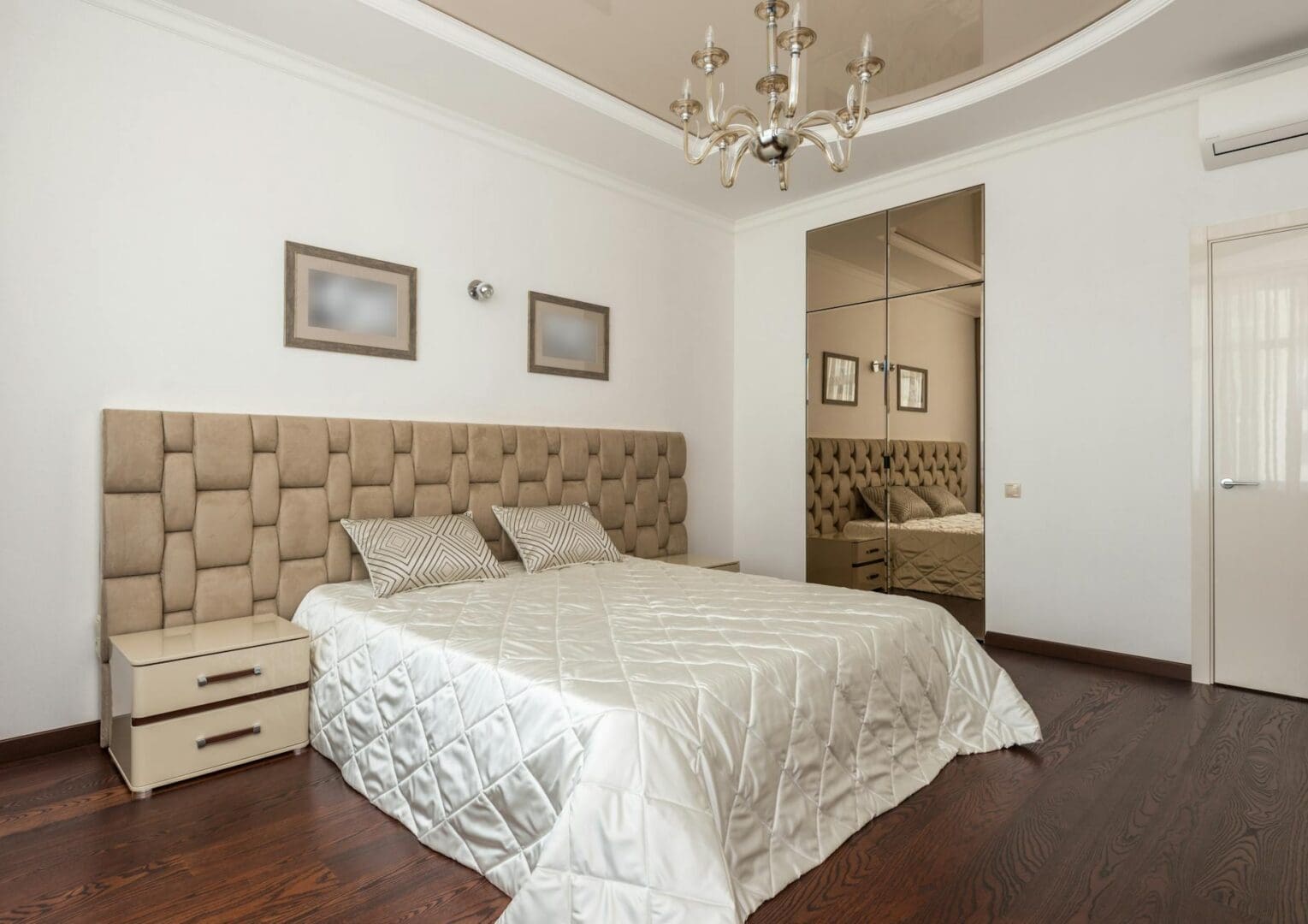
The material you choose affects both aesthetics and practicality. Upholstered headboards in linen, velvet, or performance fabrics create a soft, hotel-like feel and are comfortable for sitting up in bed reading. Expect to pay $150-$400 for budget options, $400-$800 for mid-range quality, and $800+ for designer pieces or custom upholstery. The trade-off? They require occasional vacuuming and can show wear over time.
Wood headboards—whether solid wood, reclaimed planks, or wood veneer—bring warmth and texture. They’re durable and easy to clean, ranging from $200 for simple designs to $1,200+ for solid hardwood or intricate detailing. Metal headboards offer an industrial or romantic look (depending on the design) and typically run $180-$600. They’re practically indestructible but can feel cold to lean against.
Cane, rattan, and woven headboards have surged in popularity for their organic, casual-luxe vibe. These generally sit in the $300-$700 range and pair beautifully with natural fiber rugs and linen bedding.
Think about your bedroom’s existing style. A tufted velvet headboard suits traditional or glam spaces, while a simple wood or cane option works in modern, minimalist, or coastal rooms. If you’re unsure, neutral upholstered headboards in beige, gray, or cream are remarkably versatile.
Practical Features Worth Considering
Some headboards offer bonus functionality. Built-in shelving or storage cubbies provide space for books, glasses, or your phone—particularly useful in small bedrooms without room for nightstands. LED lighting strips or integrated reading lights add ambiance and eliminate the need for bedside lamps, though these features add $100-$300 to the price.
If you like sitting up in bed, cushioning depth matters. Thickly padded upholstered headboards (3-4 inches of foam) are noticeably more comfortable than thin ones. Wingback styles offer side support that feels cozy and helps contain pillows.
The right headboard pulls your whole bedroom together and makes your bed feel complete. Once you know your size requirements and mounting compatibility, choosing a style becomes the fun part—finding that piece that makes you smile when you walk into your room. Trust your instincts, stick to your budget, and remember that this is a piece you’ll see every single day.
Shopping for a dresser for your child’s room feels different than buying one for yourself. You’re not just thinking about today—you’re wondering if it’ll survive the toddler years, hold up through elementary school, and maybe even make it to the teenage bedroom. The good news? With the right approach, you can find a dresser that […]
You’ve found the perfect bed frame, but now your old dresser looks completely out of place. Or maybe you’re starting fresh and wondering whether you need to buy a matching bedroom set. The truth is, coordinating your dresser and bed frame isn’t about finding exact matches—it’s about creating visual harmony through smart choices about style, […]
Adding a dresser to your walk-in closet can transform it from a simple hanging space into a fully functional dressing room. But unlike choosing a dresser for your bedroom, closet dressers have different requirements—they need to fit within existing dimensions, complement built-in systems, and maximize storage without creating obstacles. Whether you’re designing a new closet […]