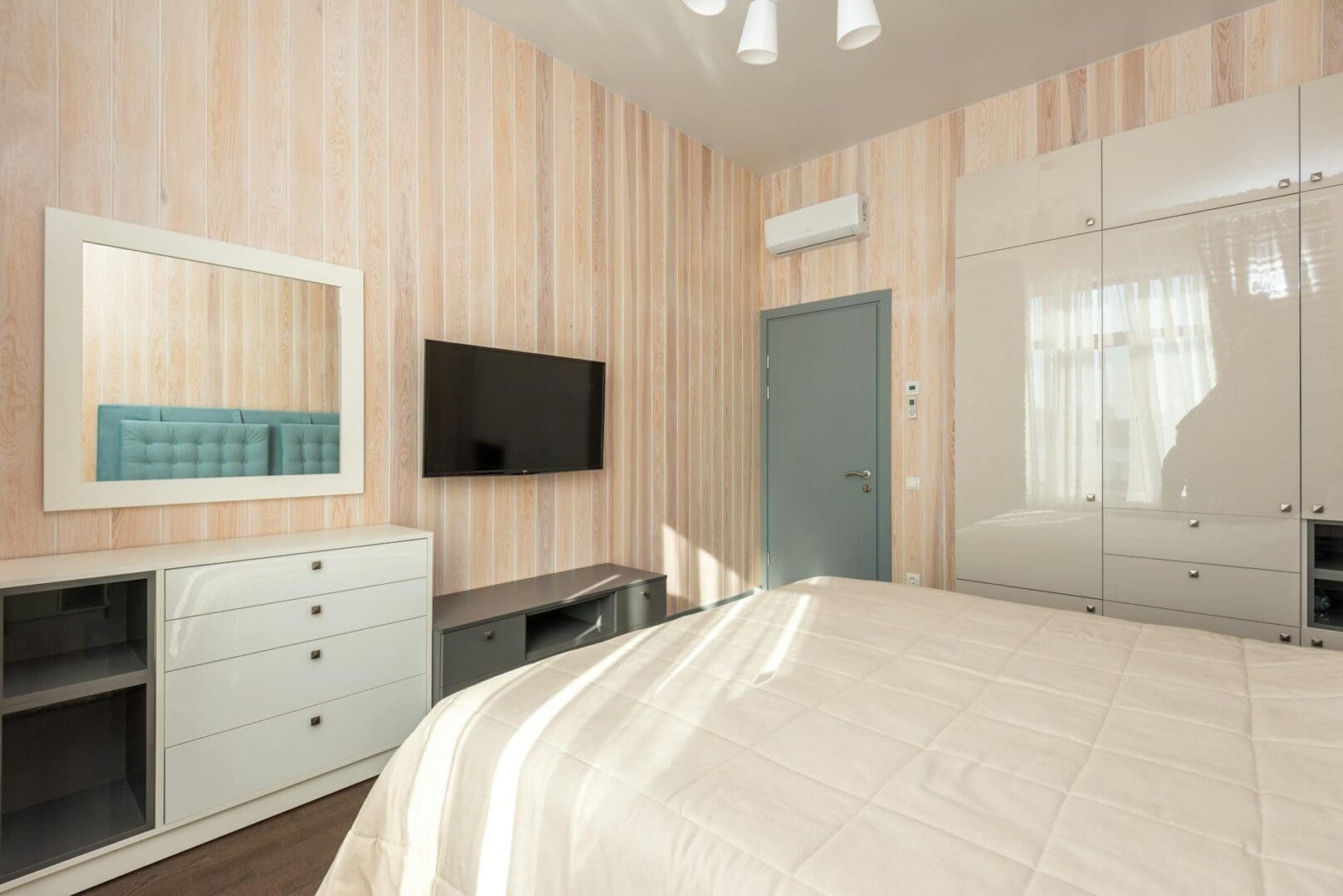
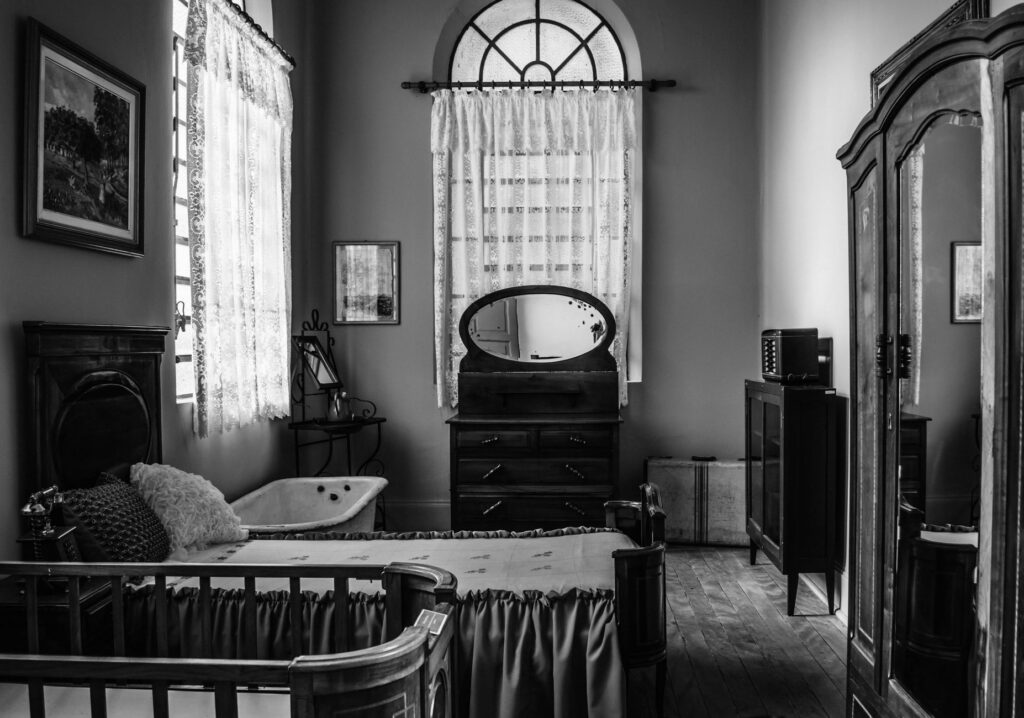
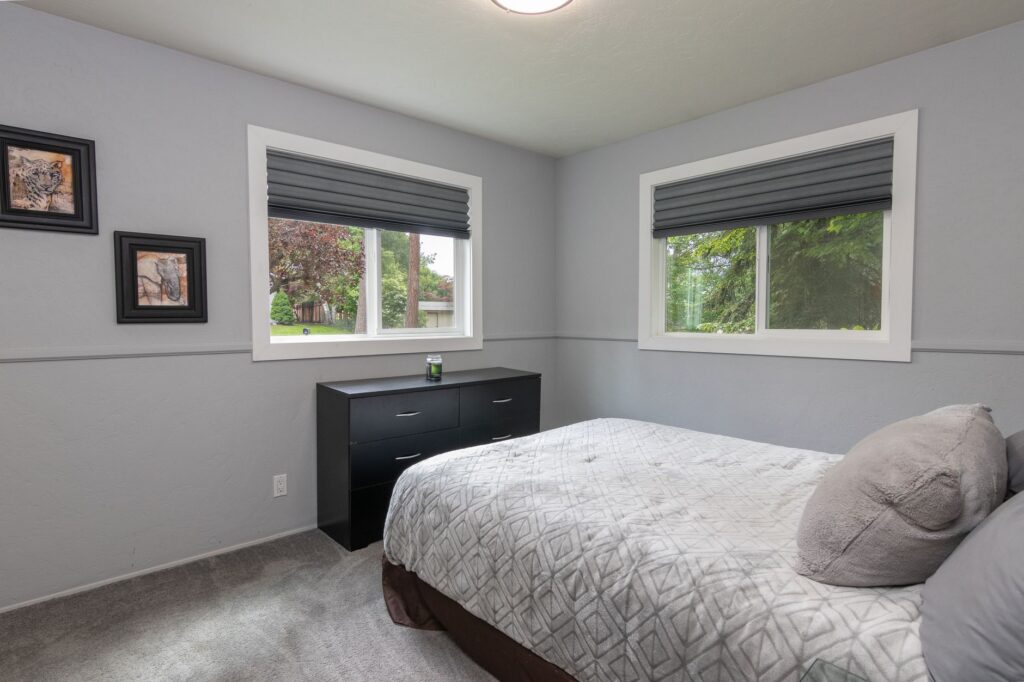
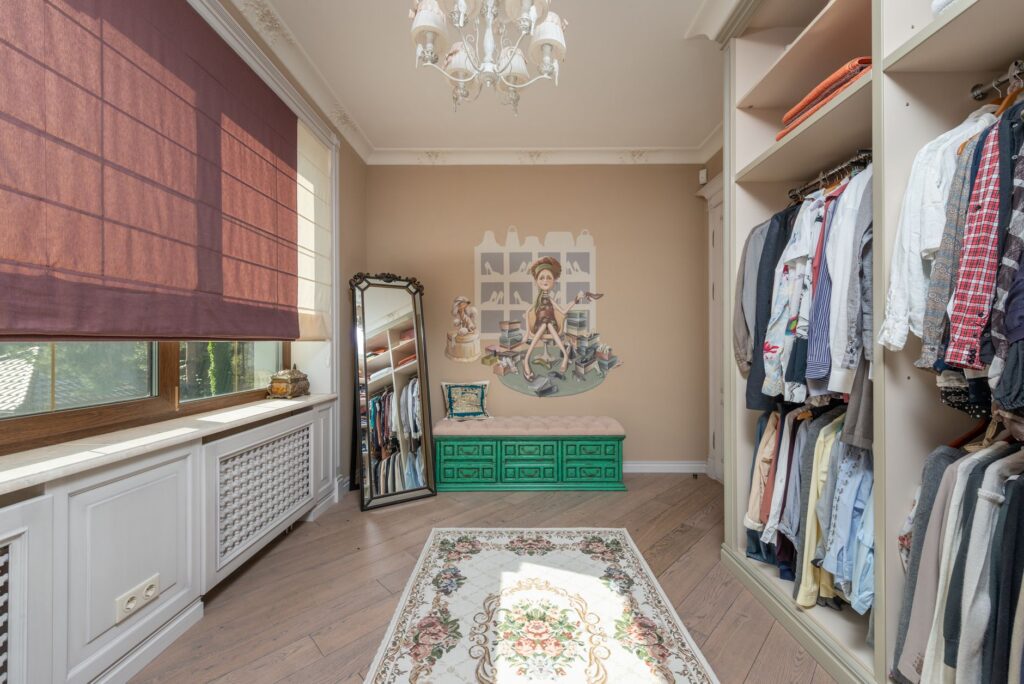
A dresser with a mirror isn’t just functional storage—it’s often the focal point of your bedroom. The right combination can make your morning routine easier while anchoring your room’s design. But with so many configurations available, from classic matching sets to mix-and-match options, knowing where to start can feel overwhelming. Let’s break down exactly what to consider so you can find a dresser and mirror pairing that works beautifully in your space.
Getting the Size Right for Your Room
Before you fall in love with a particular style, you need to make sure it actually fits. Measure your available wall space, leaving at least 30 inches of clearance in front of the dresser for drawers to open comfortably and for you to stand while getting dressed.
Standard dressers range from 30 to 70 inches wide. A 6-drawer double dresser (around 60 inches wide) works well in most master bedrooms, while smaller spaces might call for a 5-drawer chest or vertical tallboy dresser. The mirror should be proportional—typically two-thirds to three-quarters the width of the dresser beneath it.
Ceiling height matters too. Your mirror should hang so the center sits at eye level (usually 57-65 inches from the floor). If you have 8-foot ceilings, a dresser that’s 32 inches tall with a 40-inch mirror will look balanced. Higher ceilings can accommodate taller mirrors that create drama without overwhelming the space.
Matching or Mismatching: Choosing Your Style Approach
You’ll find dressers with mirrors sold as matching sets or as separate pieces. Matching sets offer fool-proof coordination—the mirror frame matches the dresser’s finish and detailing, creating a cohesive bedroom suite. These typically range from $400 for budget-friendly options to $2,000+ for solid wood sets with detailed craftsmanship.
Mixing your own dresser and mirror gives you more flexibility and often better value. You might choose a simple dresser in a classic finish and pair it with a statement mirror that adds personality. This approach works especially well if you’re drawn to vintage or eclectic styles. A mid-century modern walnut dresser ($600-$1,200) can look stunning with a round brass-framed mirror, while a painted cottage-style dresser ($450-$900) pairs beautifully with a distressed wood-framed mirror.
Consider whether you want an attached or freestanding mirror. Attached mirrors (mounted directly to the dresser) create a traditional look and won’t shift or fall, but they limit your flexibility. Leaning or wall-mounted mirrors give you the freedom to rearrange and can be taken with you if you change dressers later.
Mirror Shapes and Functional Features
The mirror shape should complement both your dresser and your room’s overall style. Rectangular horizontal mirrors are the most traditional choice and work with any dresser width. Vertical rectangular mirrors suit narrower dressers and smaller spaces. Round and oval mirrors soften angular furniture and work particularly well in modern or transitional bedrooms.
Think about how you’ll actually use the mirror. A single wide mirror provides an unobstructed view—ideal for getting dressed or doing hair and makeup. Tri-fold mirrors with side panels let you see yourself from multiple angles, which is helpful for detailed grooming but takes up more depth. Some dressers feature tilt mirrors that adjust to different heights, a practical feature if multiple people use the bedroom.
Frame thickness and detailing also impact the overall look. Thin, minimal frames ($80-$200) keep the focus on the reflection and work in contemporary spaces. Ornate carved frames ($200-$500+) add traditional elegance and architectural interest. Frameless mirrors with beveled edges offer a sleek, budget-friendly option ($60-$150).
Material and Construction Quality
The dresser’s construction affects both longevity and price. Solid wood dressers (oak, maple, walnut) are the most durable and can last decades with proper care, typically starting around $800. Wood veneer over engineered wood offers good looks at a lower price point ($300-$700) but won’t hold up as well to moisture or repeated moves.
Check drawer construction carefully. Dovetail joinery on drawer corners indicates quality craftsmanship. Drawers should glide smoothly on ball-bearing or soft-close slides—avoid dressers with drawers that simply rest on wooden tracks. Test the drawers in person if possible; they shouldn’t stick or wobble.
For the mirror, look for quality glass that’s properly silvered on the back and sealed to prevent tarnishing. The mounting hardware should be sturdy, especially for larger mirrors that can be quite heavy. French cleats or heavy-duty D-rings are more secure than simple wire hangers.
Finding the right dresser with mirror comes down to balancing aesthetics with practicality. Measure carefully, consider how you’ll use both pieces daily, and choose quality construction within your budget. Whether you opt for a coordinated set or curate your own pairing, selecting pieces that fit your space and style will give you a bedroom setup you’ll appreciate every single day.
Shopping for a dresser for your child’s room feels different than buying one for yourself. You’re not just thinking about today—you’re wondering if it’ll survive the toddler years, hold up through elementary school, and maybe even make it to the teenage bedroom. The good news? With the right approach, you can find a dresser that […]
You’ve found the perfect bed frame, but now your old dresser looks completely out of place. Or maybe you’re starting fresh and wondering whether you need to buy a matching bedroom set. The truth is, coordinating your dresser and bed frame isn’t about finding exact matches—it’s about creating visual harmony through smart choices about style, […]
Adding a dresser to your walk-in closet can transform it from a simple hanging space into a fully functional dressing room. But unlike choosing a dresser for your bedroom, closet dressers have different requirements—they need to fit within existing dimensions, complement built-in systems, and maximize storage without creating obstacles. Whether you’re designing a new closet […]