Finding storage in a small bedroom feels like a puzzle where none of the pieces quite fit. You need somewhere to keep your clothes organized, but most dressers seem designed for spacious master suites. The good news? With the right approach, you can find a dresser that provides plenty of storage without making your bedroom feel like a furniture showroom.
Start With Your Room’s Actual Measurements
Before you fall in love with any dresser, grab a tape measure and get specific about your space. Measure not just the wall where you think the dresser will go, but also factor in clearances. You’ll want at least 36 inches in front of the dresser to open drawers comfortably, and about 3-4 inches of breathing room on the sides so it doesn’t look crammed in.
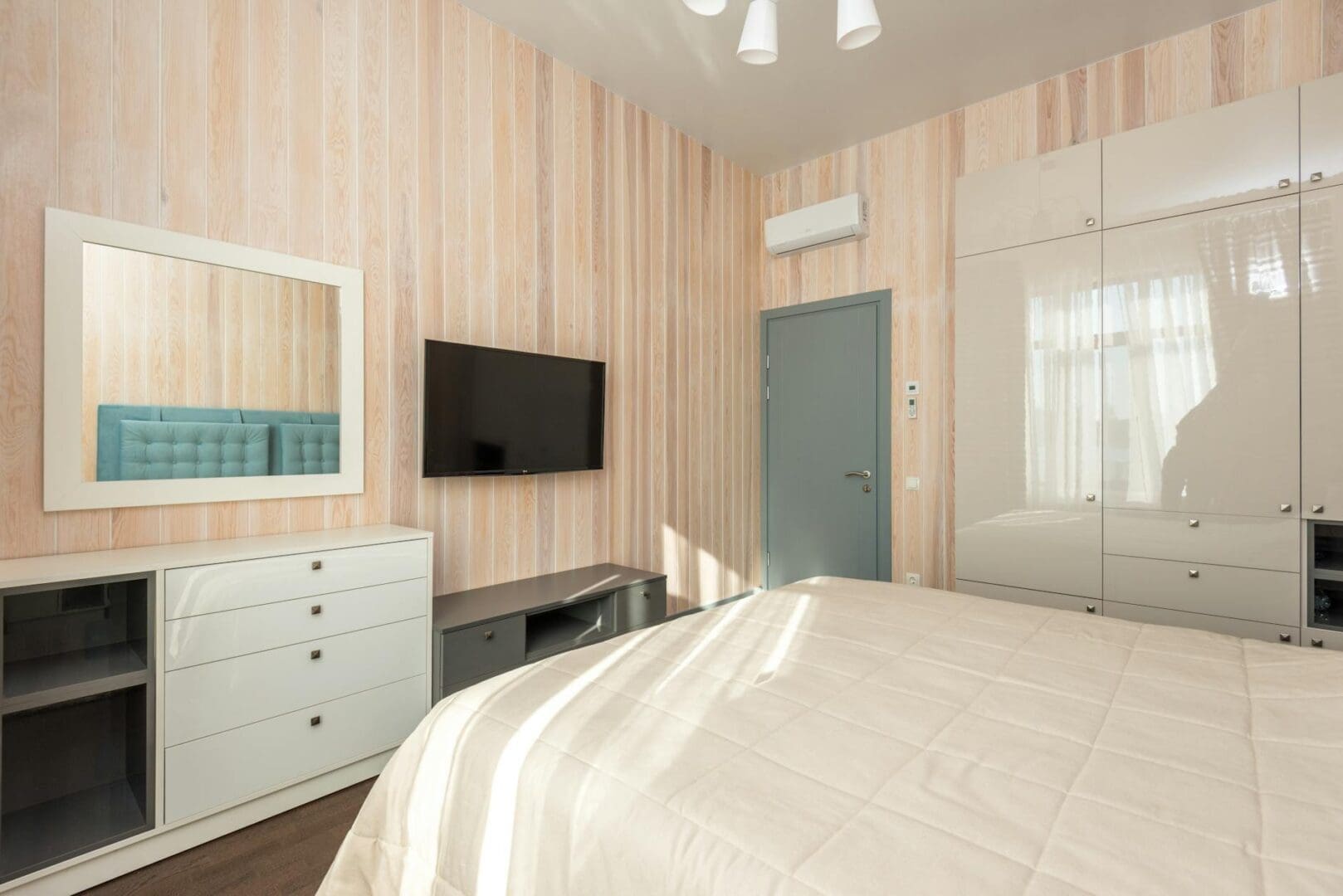
For genuinely small bedrooms, look for dressers that are 48 inches wide or less. A standard six-drawer dresser usually runs about 54-60 inches wide, which might overwhelm a compact room. Instead, consider a five-drawer dresser (around 42-48 inches) or even a tall, narrow chest of drawers. Vertical storage is your friend here—a tallboy or lingerie chest takes up minimal floor space while still offering substantial storage.
Heights matter too. If you’re planning to mount a TV or mirror above the dresser, keep the dresser height around 30-34 inches. If it’s purely for storage, you can go taller without the space feeling cluttered.
Pick Styles That Create Visual Space
The right style can actually make your bedroom feel larger. Dressers with legs or a raised base create visual breathing room by letting you see the floor underneath—this tricks the eye into perceiving more space. Mid-century modern and Scandinavian-style dressers excel at this with their tapered legs and streamlined profiles.
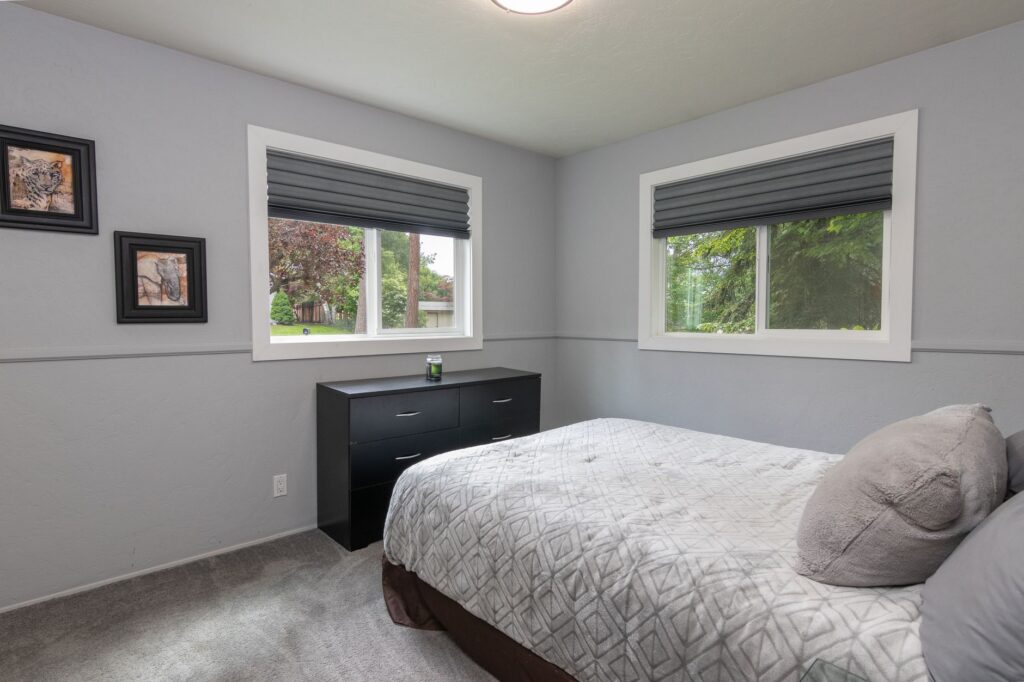
Color plays a role too. Light wood tones, white, or pale gray dressers tend to recede visually, while dark woods can anchor a space (which works if you want that cozy feeling, but can shrink the room visually). If your walls are light, a dresser in a similar tone creates a seamless look that doesn’t chop up the space.
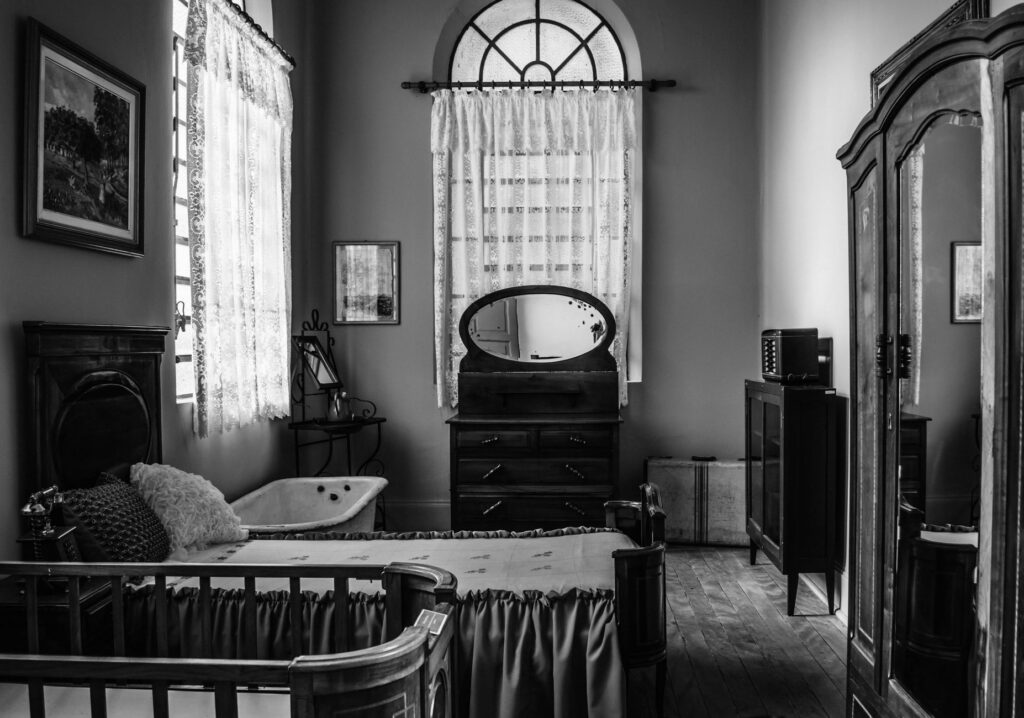
Skip ornate details and heavy molding. Clean lines and simple hardware keep things feeling uncluttered. A dresser with flat drawer fronts and minimal embellishment will always read as more space-efficient than one with lots of decorative elements competing for attention.
Consider Multi-Purpose and Space-Saving Features
In small bedrooms, furniture that does double duty earns its keep. Look for dressers with tops deep enough to serve as a display surface or vanity area—you’ll want at least 18-20 inches of depth for this to work. Some dressers come with attached mirrors or flip-up mirror compartments, eliminating the need for a separate vanity.
Pay attention to drawer configuration. Instead of a standard six-drawer setup, you might prefer a dresser with varied drawer sizes—smaller drawers up top for accessories and deeper ones below for bulkier items. This helps you maximize what you’re storing without needing additional furniture.
Corner dressers are underrated space-savers that fit into spots where rectangular pieces won’t work. And if you’re really tight on space, consider a low, wide dresser (sometimes called a media chest) that can pull double duty as a TV stand.
Balance Budget With Quality
Dressers span a huge price range. Budget options ($200-$400) often use particleboard or laminate construction—fine for a temporary solution, but the drawer glides may not hold up. Mid-range dressers ($400-$900) typically offer solid wood frames with veneer surfaces and better hardware. This is the sweet spot for most people balancing quality and cost.
Splurge-worthy pieces ($900+) feature solid wood construction, dovetail drawer joints, and smooth soft-close drawer glides. In a small bedroom where you’ll interact with this piece constantly, quality drawer mechanisms matter. Nothing makes a room feel cheaper than drawers that stick or slide off their tracks.
Whatever your budget, test the drawers in person if possible. They should glide smoothly when fully extended, and the drawer boxes themselves should feel sturdy, not flimsy.
The right dresser transforms a cramped bedroom into an organized, functional space. Focus on measurements first, choose a style that enhances rather than overwhelms your room, and prioritize features that serve your specific storage needs. With these guidelines in mind, you’ll be ready to find a dresser that fits both your space and your life.
Shopping for a dresser for your child’s room feels different than buying one for yourself. You’re not just thinking about today—you’re wondering if it’ll survive the toddler years, hold up through elementary school, and maybe even make it to the teenage bedroom. The good news? With the right approach, you can find a dresser that […]
You’ve found the perfect bed frame, but now your old dresser looks completely out of place. Or maybe you’re starting fresh and wondering whether you need to buy a matching bedroom set. The truth is, coordinating your dresser and bed frame isn’t about finding exact matches—it’s about creating visual harmony through smart choices about style, […]
Adding a dresser to your walk-in closet can transform it from a simple hanging space into a fully functional dressing room. But unlike choosing a dresser for your bedroom, closet dressers have different requirements—they need to fit within existing dimensions, complement built-in systems, and maximize storage without creating obstacles. Whether you’re designing a new closet […]