Living in a small space doesn’t mean sacrificing the joy of gathering around a proper dining table. Whether you’re working with a cozy apartment, a compact kitchen nook, or a multi-functional living area, the right dining table can transform your space without overwhelming it. The trick is knowing what to look for—and what compromises are actually worth making.
Size and Scale: Getting the Measurements Right
Before you fall in love with any table, grab your measuring tape. You’ll need at least 36 inches of clearance around the table for chairs to pull out comfortably and people to move around. In tight spaces, you can squeeze by with 30 inches, though it’ll feel snug when chairs are occupied.
For the table itself, plan on 24 inches of table width per person as a minimum. A 30-inch-wide table seats two people comfortably across from each other, while a 36-inch width gives you room for place settings plus a centerpiece or serving dish. Length depends on your space, but common small-space options include:
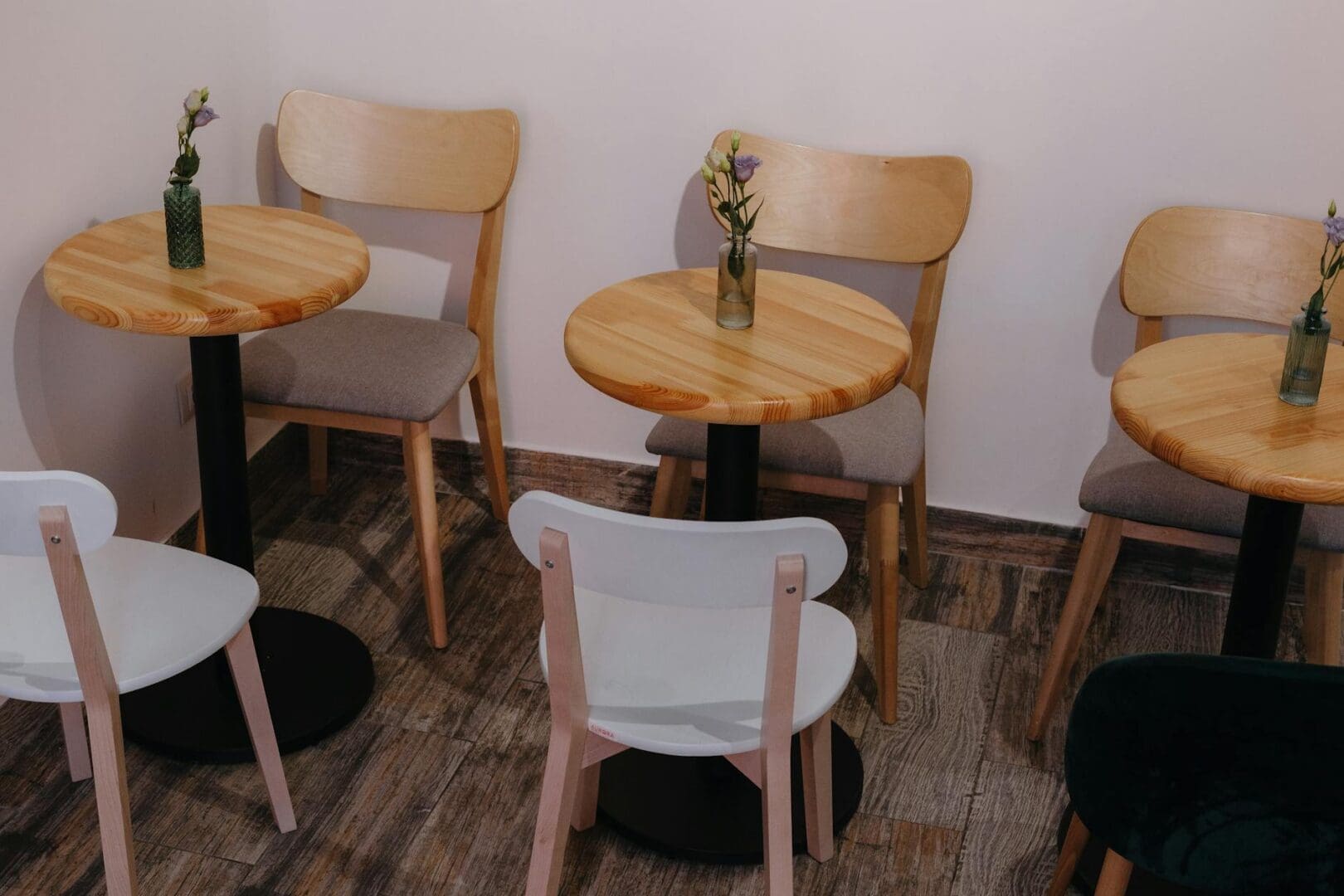
24″ x 30″ bistro tables (seats 2)
30″ x 48″ rectangles (seats 4)
36″ to 42″ round tables (seats 4 comfortably)
36″ square tables (seats 4)
Round and square tables often work better in truly compact spaces because they lack corners that jut into walkways. You’d be surprised how much more navigable a room feels without sharp edges to dodge.
Shape Matters More Than You Think
Round tables are the small-space champion for good reason. They create natural conversation flow, fit into corners or bay windows beautifully, and that curved edge makes it easier to squeeze past when space is tight. A 36-inch round comfortably seats three to four people and works wonderfully in square rooms or open-concept layouts.
Rectangular tables maximize seating along walls or in narrow spaces. If your dining area is basically a hallway between rooms, a slim rectangular table (30 inches wide or less) might be your best bet. You can push it against the wall when not in use and pull it out for meals.
Square tables offer a nice middle ground and feel less formal than rectangles. They’re particularly good when tucked into a corner or positioned between two windows. Drop-leaf and extendable square tables give you flexibility—keep them compact daily, then expand when guests arrive.
Smart Features That Earn Their Keep
In small spaces, furniture needs to work harder. Look for tables with built-in storage, like shelves underneath for placemats and napkins. Some designs include drawers at each end—perfect for stashing silverware or serving utensils.
Extension tables are worth every penny if you entertain even occasionally. Drop-leaf tables fold down to console width (around 12 inches) when not in use, then flip up to seat four or six. Butterfly-leaf tables store their extensions right inside the frame. Expect to pay $300-$600 for quality drop-leaf tables, while solid wood extension tables typically run $600-$1,500.
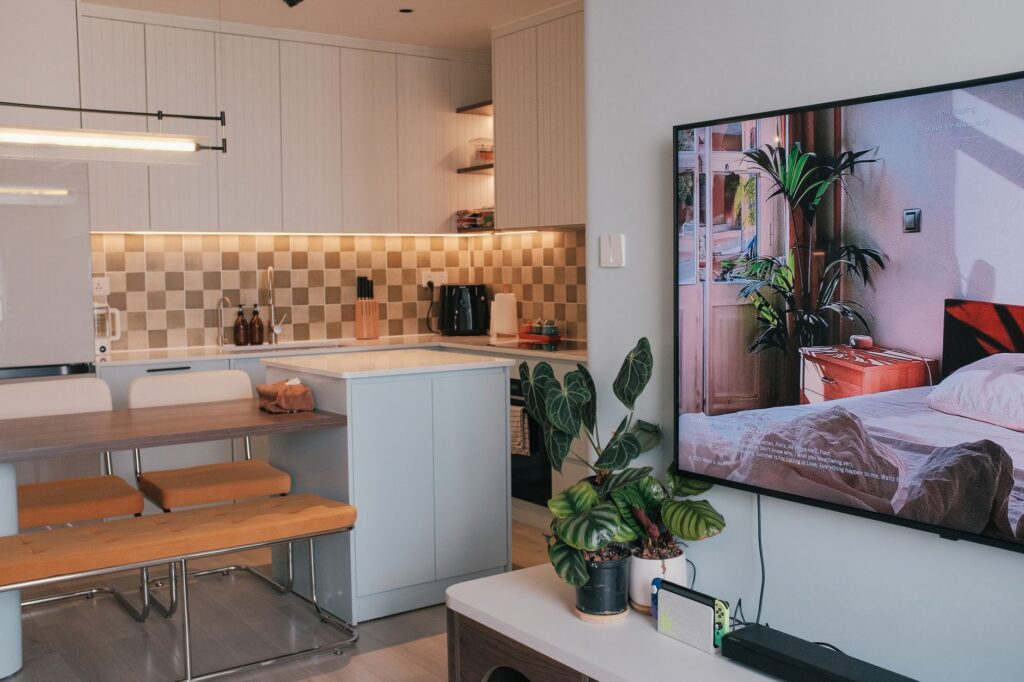
Counter-height tables (36 inches tall instead of the standard 30) can double as workspace or food prep areas in studio apartments. Pair them with backless stools that tuck completely underneath to save even more floor space.
Materials and Styles for Visual Lightness
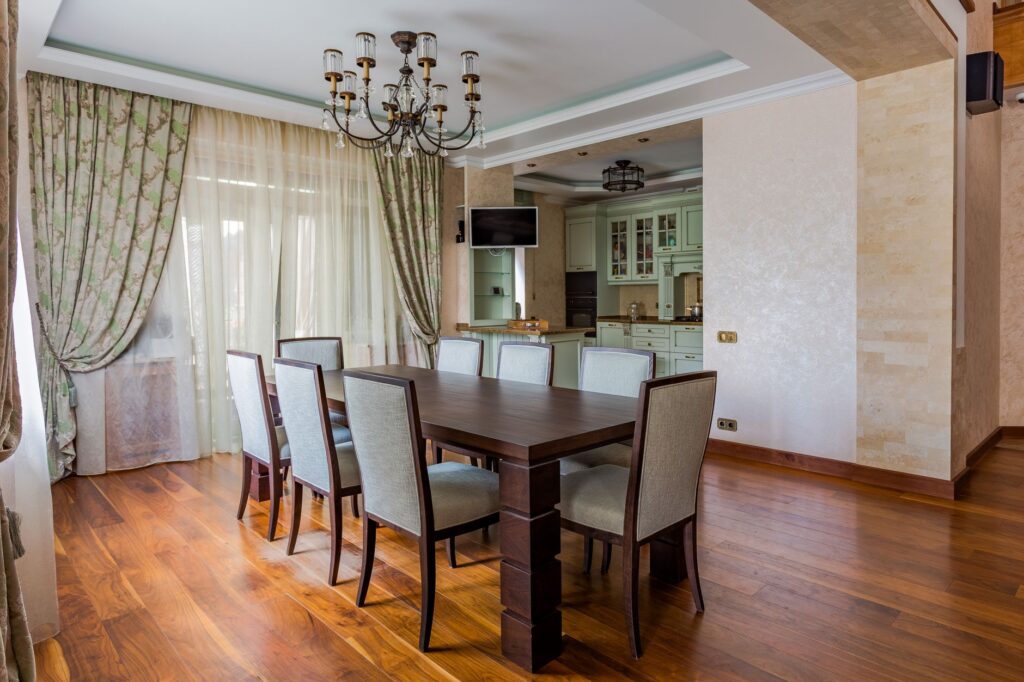
Heavy, dark tables can make small spaces feel cramped. Look for lighter wood tones like oak, maple, or whitewashed finishes that reflect light. Glass tops create the ultimate sense of openness—you can see straight through to the floor, which tricks the eye into perceiving more space. Just know that glass shows every fingerprint and requires regular cleaning.
Pedestal bases beat four-legged tables in tight quarters because they offer more flexible seating. You’re not playing footsie with table legs, and you can squeeze an extra chair in when needed. Slim, tapered legs also help a table feel less bulky than chunky, straight legs.
Budget-friendly options in laminate or engineered wood start around $150-$300 and work fine for everyday use. Mid-range solid wood tables ($400-$800) last longer and age more gracefully. If you’re planning to stay put for years, investing $1,000+ in a quality hardwood table makes sense—it’ll outlast several moves.
The right dining table for your small space is out there, and it’s probably smaller than you initially imagined. Measure carefully, prioritize the features that match your lifestyle (daily breakfast spot versus weekend entertaining), and don’t be afraid to think beyond traditional dining tables. With the right choice, you’ll wonder how you ever lived without a proper place to sit down for meals.
There’s something about farmhouse chandeliers that just works in a dining room—they bring warmth without being fussy, character without feeling overdone. But with so many styles calling themselves “farmhouse,” from sleek metal cages to chunky wood beam fixtures, figuring out which one belongs above your table can feel surprisingly tricky. The right chandelier should anchor […]
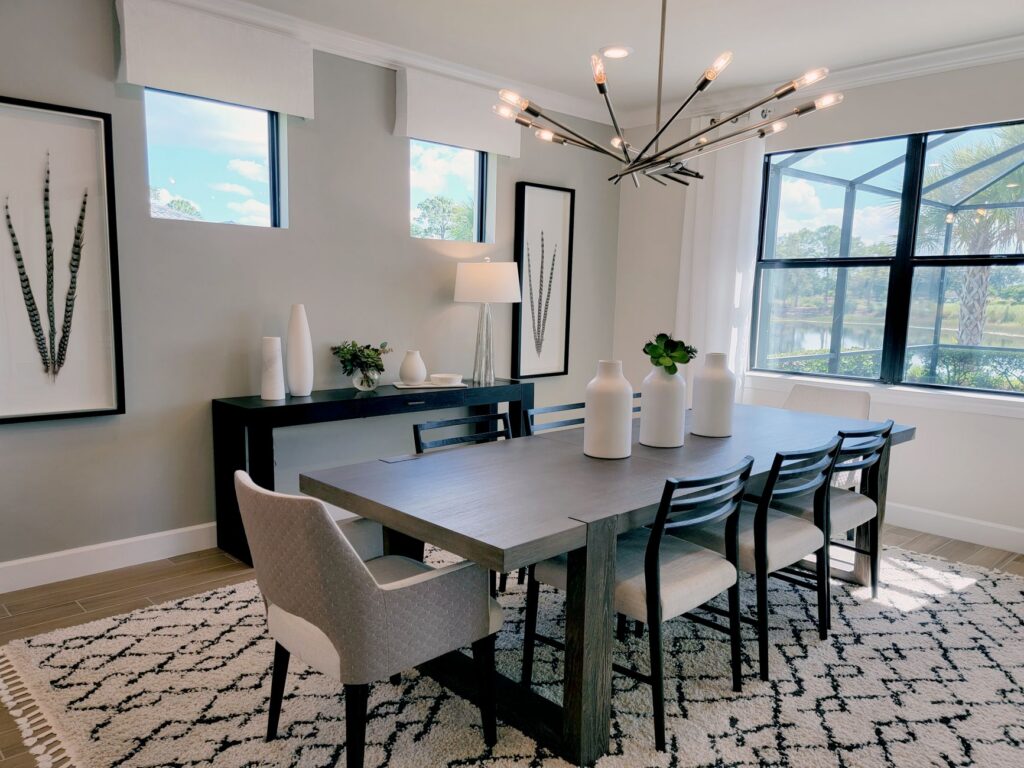
A sputnik chandelier makes a serious statement in a dining room—all those radiating arms and exposed bulbs create instant drama and mid-century appeal. But with so many variations in size, arm count, and finish, choosing the right one for your space can feel overwhelming. Get it right, though, and you’ve got a showstopper that pulls […]
When every square foot counts, bringing furniture into a small apartment feels like a high-stakes game of Tetris. You need storage desperately, but you’re terrified of making your space feel even more cramped. A sideboard can be the perfect solution—if you choose the right one. Let’s walk through exactly what to look for so you […]