Whether you’re replacing worn-out chairs or trying to breathe new life into your dining space, finding chairs that actually work with your existing table can feel surprisingly tricky. Maybe you’ve inherited a table you love but hate the chairs, or you’re mixing pieces from different sets. The good news? You don’t need a perfectly matched set to create a pulled-together dining room. Here’s how to choose chairs that’ll look intentional with any table you own.
Get the Height and Scale Right First
Before you fall in love with a chair style, pull out the measuring tape. Standard dining tables sit 28-30 inches high, and you’ll want 10-12 inches of clearance between the seat and the table’s underside. This means most dining chairs should have seat heights between 17-19 inches. Sounds simple, but those few inches make the difference between comfortable dining and feeling like you’re perched at a kids’ table.
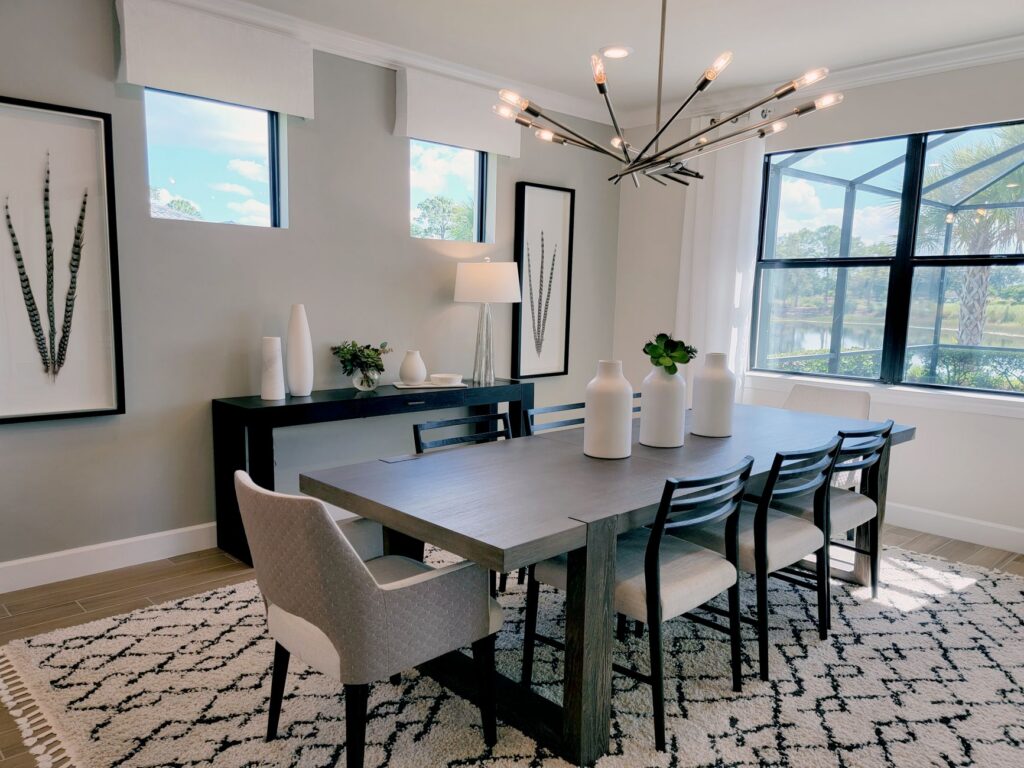
Scale matters just as much as height. A delicate bistro chair will look lost next to a chunky farmhouse table, while oversized upholstered chairs can overwhelm a sleek glass table. As a rule of thumb, leave about 6 inches between each chair and roughly 12 inches from the chair arms to the table edge (or to the next chair). If your table is 72 inches long, you’re realistically fitting 6 armless chairs or 4 with arms.
Mix Styles Successfully with Visual Weight
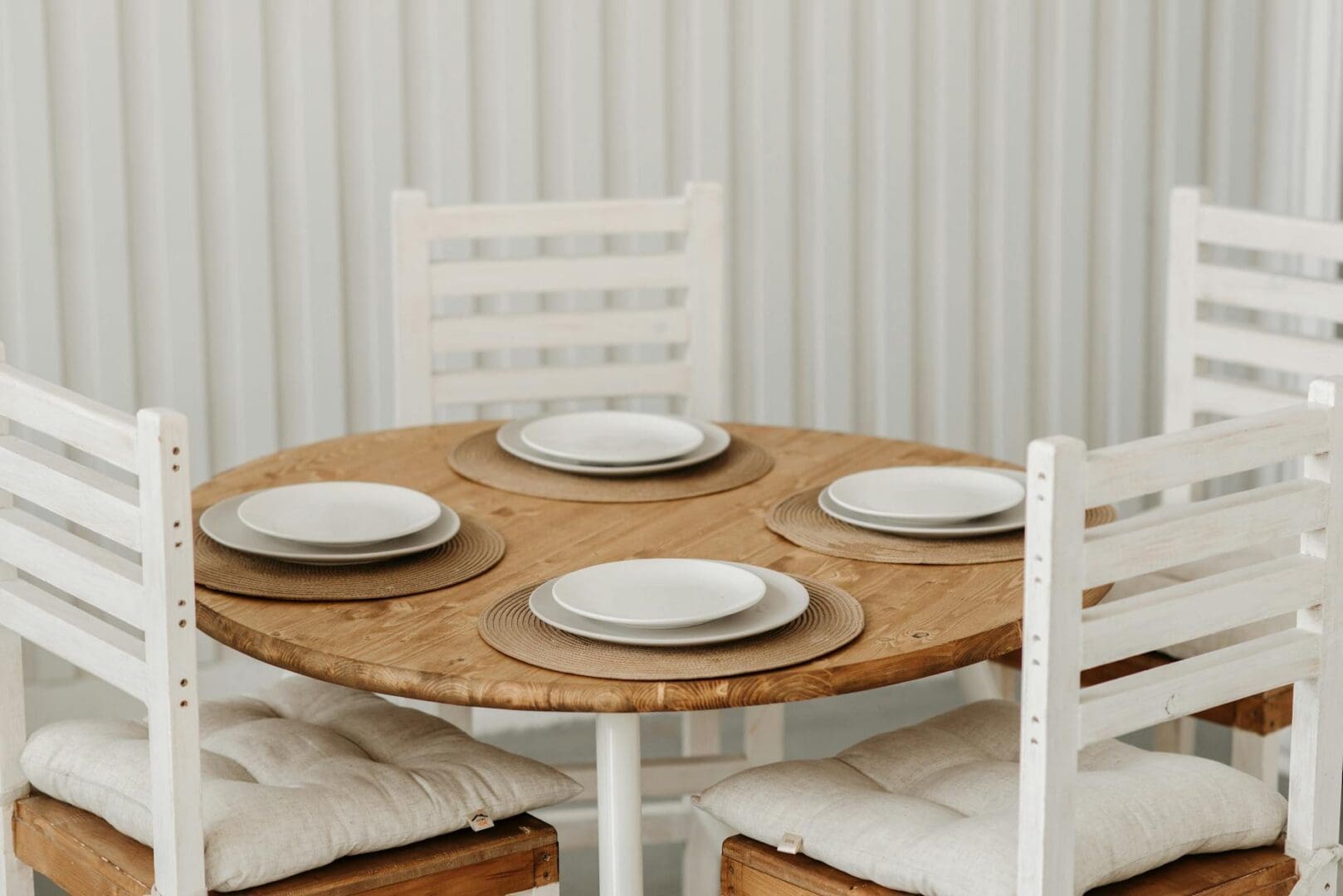
Here’s where it gets fun: your chairs don’t need to match your table’s style exactly, but they should share a similar visual weight. A solid oak table pairs beautifully with Windsor chairs, metal industrial seating, or even modern molded plastic—because they all have substance without fussiness.
Think about the lines and proportions rather than matching finishes. A mid-century modern table with tapered legs works with chairs that have a similar streamlined quality, whether that’s Parsons chairs, sleek wooden designs, or even contemporary metal frames. Conversely, an ornate pedestal table needs chairs with some personality—upholstered options with nailhead trim or carved wood backs hold their own without competing.
One mixing strategy that almost never fails: use simpler chairs with a statement table, or interesting chairs with a basic table. You rarely want both pieces shouting for attention.
Consider Material Compatibility
Your chairs don’t need to be made from the same material as your table, but they should make sense together. A glass table is incredibly forgiving—it works with practically anything because it doesn’t add visual weight. Wood tables offer the most flexibility too, complementing everything from upholstered seats to metal frames.
Here’s what tends to work well:
Wood chairs with wood tables in different finishes (a walnut table with oak chairs creates nice depth)
Upholstered chairs with any table style—the fabric softens the whole look
Metal or acrylic chairs with wood tables for pleasing contrast
Leather seats with traditional or rustic tables for warmth
Budget-conscious shoppers can find solid wood chairs starting around $100-150 each, while quality upholstered dining chairs typically run $200-400. If you’re splurging, expect to pay $500-800 per chair for designer pieces or custom upholstery.
Use Color and Finish as Your Secret Weapon
When styles don’t match perfectly, color creates cohesion. If your table has warm honey tones, chairs with warm wood, cognac leather, or warm-toned fabric will tie everything together. A dark espresso table looks sharp with black, charcoal, or even crisp white chairs.
Don’t stress about matching wood finishes exactly—in fact, slight variations look more collected and interesting. A weathered gray table with natural wood chairs? That’s intentional design, not a mismatch. The key is making sure the undertones work together (cool with cool, warm with warm).
Neutral upholstered chairs in linen, cotton, or leather are your foolproof option when nothing else seems to click. They work with virtually any table and let you add personality through other elements like lighting or table decor.
Choosing dining chairs that work with your table comes down to understanding a few fundamental relationships: proper scale, complementary visual weight, and cohesive color stories. Once you nail these basics, you’ll find you have way more options than you thought. Take your table measurements, identify its style personality, and look for chairs that either echo or thoughtfully contrast those qualities. Trust your eye—if it looks balanced and feels comfortable, you’ve found your match.
A sputnik chandelier makes a serious statement in a dining room—all those radiating arms and exposed bulbs create instant drama and mid-century appeal. But with so many variations in size, arm count, and finish, choosing the right one for your space can feel overwhelming. Get it right, though, and you’ve got a showstopper that pulls […]
When every square foot counts, bringing furniture into a small apartment feels like a high-stakes game of Tetris. You need storage desperately, but you’re terrified of making your space feel even more cramped. A sideboard can be the perfect solution—if you choose the right one. Let’s walk through exactly what to look for so you […]
Hallways are the overlooked workhorses of our homes—they connect every room, but rarely get the storage love they deserve. A well-chosen sideboard transforms that narrow stretch of wall into genuinely useful space without making your hallway feel like an obstacle course. The trick is finding one that fits the proportions of the room while actually […]