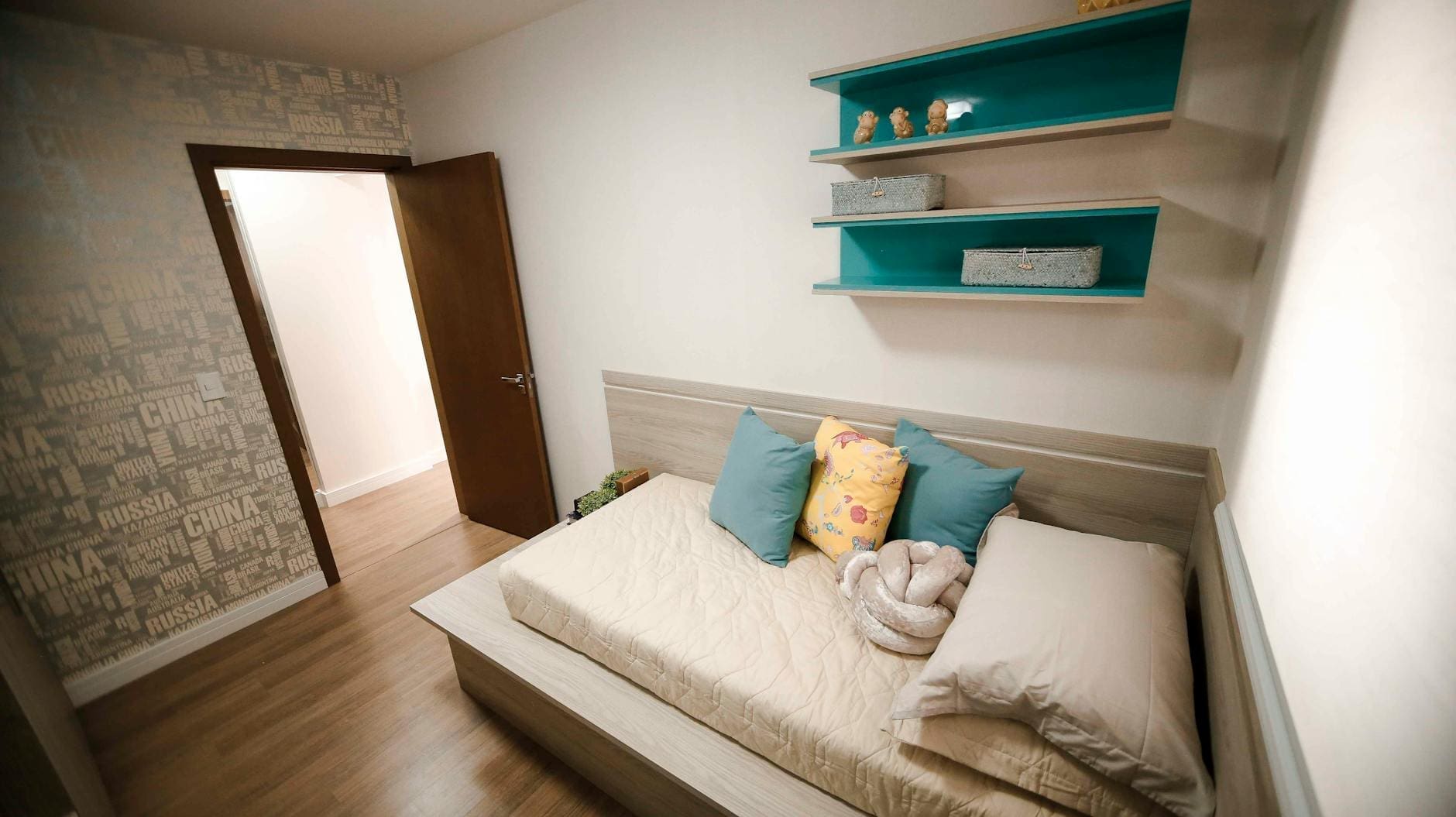
When you’re working with a small bedroom, every piece of furniture needs to earn its place. A daybed can be your secret weapon—functioning as a sofa by day and a sleeping spot by night—but only if you choose the right one. The wrong daybed will eat up precious floor space without delivering the versatility you need. Let’s walk through what actually matters when shopping for a daybed in a tight space.
Size and Clearance: Measure Twice, Buy Once
Most daybeds are built on a twin-size frame (39 inches wide by 75 inches long), but the overall footprint varies significantly depending on the design. A basic metal frame might only add a few inches to those dimensions, while an upholstered daybed with bolsters can stretch to 45 inches wide or more.
Before you fall in love with any particular style, measure your available floor space and account for clearance. You’ll want at least 24 inches of walking space around the bed—30 inches is even better. If you’re planning to use the daybed against a wall (the most common small-space solution), measure the wall length and subtract 6-12 inches to ensure the room doesn’t feel crammed.
Pay attention to height too. Low-profile daybeds (around 24-30 inches tall) tend to make small rooms feel more spacious, while taller designs with thick mattresses can visually dominate the space.
Storage Options That Actually Work
In a small bedroom, a daybed without storage is a missed opportunity. The space under the bed is valuable real estate, and you’ve got several options:
Trundle beds pull out to sleep an extra person—perfect for guest rooms that double as home offices. Budget options start around $300, while solid wood trundles run $600-1,200.
Built-in drawers provide the most accessible storage for clothing, linens, or seasonal items. Expect to pay $500-1,500 depending on the number of drawers and construction quality.
Open space underneath works if you’re willing to use bins or baskets, and it’s the most budget-friendly option at $200-600. Just make sure there’s at least 10 inches of clearance.
Consider what you actually need to store. If you’re housing a guest occasionally, a trundle makes sense. If you’re using the room daily and need clothing storage, drawers are worth the investment.
Style and Material for Long-Term Satisfaction
Your daybed will be visible all day, every day, so choose a style that works with your room’s aesthetic—not against it.
Metal daybeds ($200-800) offer an airy, less bulky look that suits small spaces beautifully. They work particularly well in minimalist, industrial, or cottage-style rooms. The downside? They can feel less substantial and may squeak over time if the joints aren’t well-constructed.
Upholstered daybeds ($400-1,800) read more like a sofa and make the most sense if the room truly pulls double-duty as a sitting area. Look for tight, durable fabrics like linen blends or performance velvet. Lighter colors help small spaces feel bigger, but consider your lifestyle—pets and kids might require darker tones or slipcovers.
Wood daybeds ($350-2,000) bring warmth and durability. In small spaces, lighter woods like oak or pine feel less heavy than dark walnut or espresso finishes. Slatted or spindle designs allow visual flow, making them smarter choices than solid panel styles.
Comfort Factors Beyond the Frame
A daybed is only as comfortable as its mattress, and standard twin mattresses (6-12 inches thick) work fine if you’re primarily using it for sitting. If someone’s sleeping on it regularly, invest in an 8-10 inch mattress—anything thicker may look awkward on a daybed frame and create issues with fitted bedding.
Think about back support for daytime sitting. Daybeds with three sides (back and two arms) naturally create a sofa-like experience. If you’re choosing a simpler frame, plan to invest in a few throw pillows or a bolster to make extended sitting comfortable.
Getting a daybed for your small bedroom is all about finding the right balance between sleeping comfort, sitting functionality, and storage needs. Measure carefully, think honestly about how you’ll use the space, and choose a style that you’ll be happy to look at every day. The right daybed won’t just save space—it’ll make your small bedroom work harder and feel more intentional.
Shopping for a dresser for your child’s room feels different than buying one for yourself. You’re not just thinking about today—you’re wondering if it’ll survive the toddler years, hold up through elementary school, and maybe even make it to the teenage bedroom. The good news? With the right approach, you can find a dresser that […]
You’ve found the perfect bed frame, but now your old dresser looks completely out of place. Or maybe you’re starting fresh and wondering whether you need to buy a matching bedroom set. The truth is, coordinating your dresser and bed frame isn’t about finding exact matches—it’s about creating visual harmony through smart choices about style, […]
Adding a dresser to your walk-in closet can transform it from a simple hanging space into a fully functional dressing room. But unlike choosing a dresser for your bedroom, closet dressers have different requirements—they need to fit within existing dimensions, complement built-in systems, and maximize storage without creating obstacles. Whether you’re designing a new closet […]