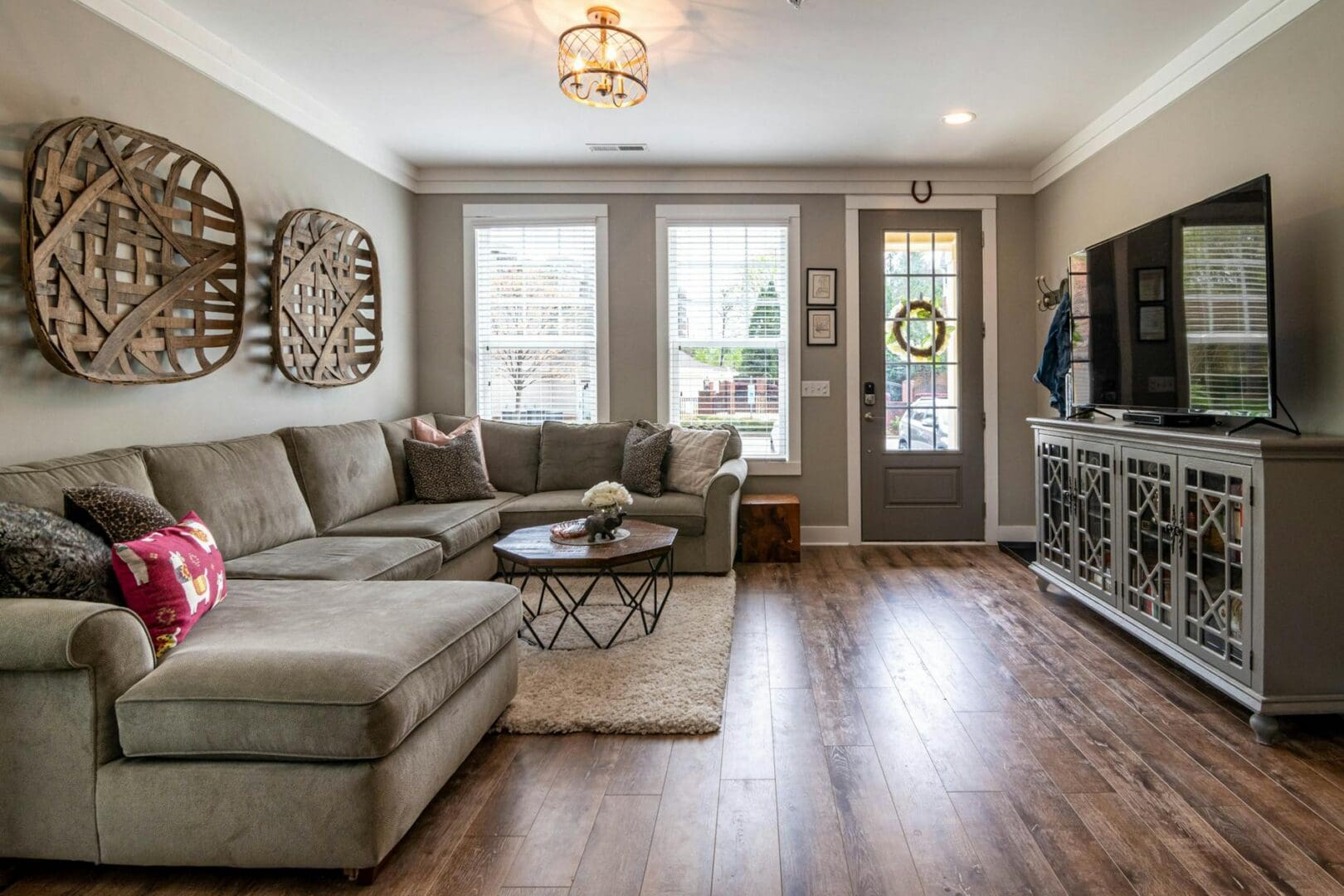
If you’ve invested in a sleek, low-profile sectional, you know the struggle: most standard coffee tables look awkwardly tall next to those modern, ground-hugging cushions. You’re constantly reaching up for your drink, or the whole arrangement just feels visually off. The good news? Once you understand the proportions and features that work with low seating, finding the right coffee table becomes surprisingly straightforward.
Getting the Height Right
This is where most people go wrong with low sectionals. The traditional rule suggests your coffee table should sit at or slightly below seat height, but low sectionals typically measure just 15-17 inches from the floor to the seat cushion—considerably lower than standard sofas at 18-20 inches.
For a low sectional, look for coffee tables in the 12-16 inch height range. This keeps everything accessible without forcing you to reach down uncomfortably. Tables at 14-15 inches tend to hit the sweet spot for most low-profile seating. Anything taller than 17 inches will start to feel like a barrier between you and your sectional, breaking up the clean, horizontal lines that make low furniture so appealing in the first place.
If you’re shopping online, pay close attention to the listed height dimensions. Budget-friendly options from places like IKEA often hover around 16-18 inches, which works for standard sofas but may look disproportionate with your low sectional. Mid-range retailers typically offer more variety in the 13-16 inch range ($300-$800), while splurge-worthy designer pieces ($1,000+) often come in custom heights.
Size and Shape Considerations
Low sectionals tend to have a substantial footprint, so your coffee table needs enough presence to hold its own without overwhelming the space. As a general rule, your coffee table should be about two-thirds the length of your sectional’s main seating area—not the entire sectional, just the side you’ll be reaching from most often.
For L-shaped sectionals, consider these shapes:
Rectangular tables work beautifully when positioned parallel to the longer section, creating clear pathways around the furniture
Square tables (36-42 inches) fit nicely into the L-shape’s corner, making them accessible from multiple seats
Round or oval tables (36-48 inches diameter) soften the angular lines of sectionals and improve traffic flow in smaller rooms
Leave 14-18 inches between your table edge and the sectional. This gives you enough space to walk by comfortably while keeping drinks and remotes within easy reach.
Style and Material Choices
Low sectionals create a contemporary, streamlined look, so your coffee table should complement that aesthetic rather than fight it. Tables with slim profiles, open bases, or floating designs maintain the airy feeling that makes low furniture so appealing.
Material-wise, think about both style and practicality. Glass or acrylic tables virtually disappear, which works wonderfully in smaller spaces or when you want to showcase a beautiful rug. Wood tables in light to medium tones add warmth without visual weight—look for tapered legs or geometric bases rather than chunky, traditional styles. Metal frame tables with wood or stone tops bridge industrial and modern styles nicely.
If you have young kids, skip the sharp corners and delicate glass. Rounded wood or upholstered ottoman-style tables in the $400-$900 range offer both safety and style. For a budget-friendly option, nesting tables ($150-$400) provide flexibility—spread them out when entertaining or tuck them together to save space.
Function Meets Form
Since you’re already dealing with low seating, consider whether you need extra storage or surface area. Lift-top coffee tables (typically 16-20 inches closed, lifting to 22-24 inches) solve the height issue by raising to a comfortable working level when you need it. They’re particularly practical for eating, working on a laptop, or crafting from your sectional.
Lower shelves add display space and keep the tabletop clear, while drawers hide remote controls and coasters. Just make sure any storage features don’t add bulk that overwhelms your sectional’s sleek lines.
The right coffee table transforms your low sectional from a seating island into a cohesive, functional living space. Focus on that 14-15 inch height range, choose a size that balances your sectional’s footprint, and pick a style that enhances rather than competes with your modern seating. Your back—and your design sense—will thank you.
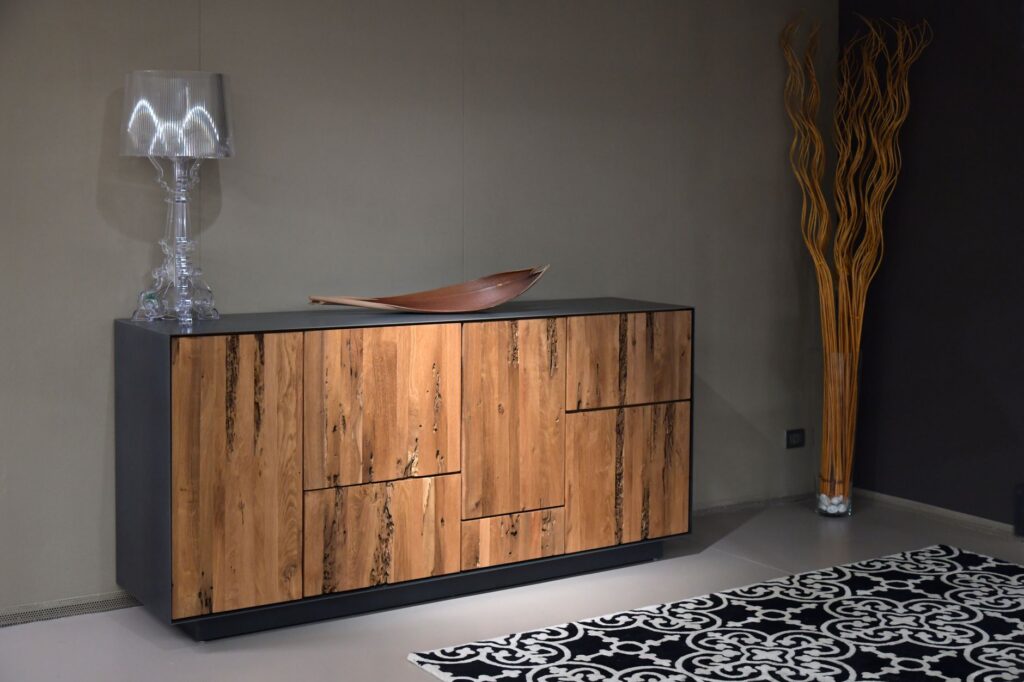
You need more storage in your living room, but a bulky bookcase feels too heavy and floating shelves aren’t cutting it. A credenza might be exactly what you’re looking for—it’s that low-profile cabinet that gives you tons of hidden storage while creating a beautiful surface for lamps, plants, and the things you actually want to […]
If you’ve been hitting snooze repeatedly or dragging yourself out of bed feeling groggy, you’re not alone. Waking up to a jarring alarm in a dark room works against your body’s natural rhythms, especially during winter months. A sunrise alarm clock mimics natural dawn, gradually filling your room with light to ease you awake. But […]
Waking up at 3 a.m. with a sweaty neck and flipping your pillow to the cool side for the fourth time isn’t just annoying—it’s robbing you of quality sleep. If you’re a hot sleeper, your pillow might be trapping heat against your head and neck all night long. The good news? The right cooling pillow […]