You’re tired of stashing wine bottles in the pantry or cramming them into a kitchen cabinet where they’re always in the way. A buffet with built-in wine storage solves this problem beautifully—it gives you a proper home for your collection while adding serving space and style to your dining room. But with so many configurations and features available, how do you pick the right one? Let’s walk through what matters most.
Wine Storage Configuration: Racks, Cubbies, or Bottles on Their Side
The first thing to consider is how the buffet actually stores your wine. Most designs fall into three categories. Individual bottle slots or cubbies keep bottles horizontal (the proper way to store wine long-term, since it keeps corks moist). You’ll typically find storage for anywhere from 6 to 24 bottles, with 12-15 being the sweet spot for most households.
Some buffets feature open X-shaped wine racks in the center section, which look attractive and make bottles easy to grab. Others tuck wine storage behind cabinet doors for a cleaner look. If you entertain frequently, an open rack lets guests see your selection. If you prefer a streamlined appearance or want to protect bottles from light, enclosed storage works better.
Don’t forget about glass storage. Many wine buffets include hanging stemware racks or dedicated compartments for wine glasses. This keeps everything you need for serving in one spot—incredibly handy when you’re hosting.
Size and Proportions for Your Space
A buffet with wine storage typically runs 50 to 72 inches wide, which is longer than a standard sideboard because of the added wine components. Measure your wall space carefully, leaving at least 6 inches of clearance on each side so the piece doesn’t look crammed in.
Height matters too. Most buffets stand between 32 and 36 inches tall—high enough to serve from comfortably but low enough that you can hang artwork above. If you’re working with a smaller dining room, look for compact models around 48 inches wide. These usually store 6-9 bottles but won’t overwhelm the space.
Depth runs 16 to 20 inches typically. Deeper units offer more storage but can make your dining room feel tighter, especially if you have a table that seats eight or more. Make sure you can still comfortably walk around the table with chairs pulled out.
Material and Construction Quality
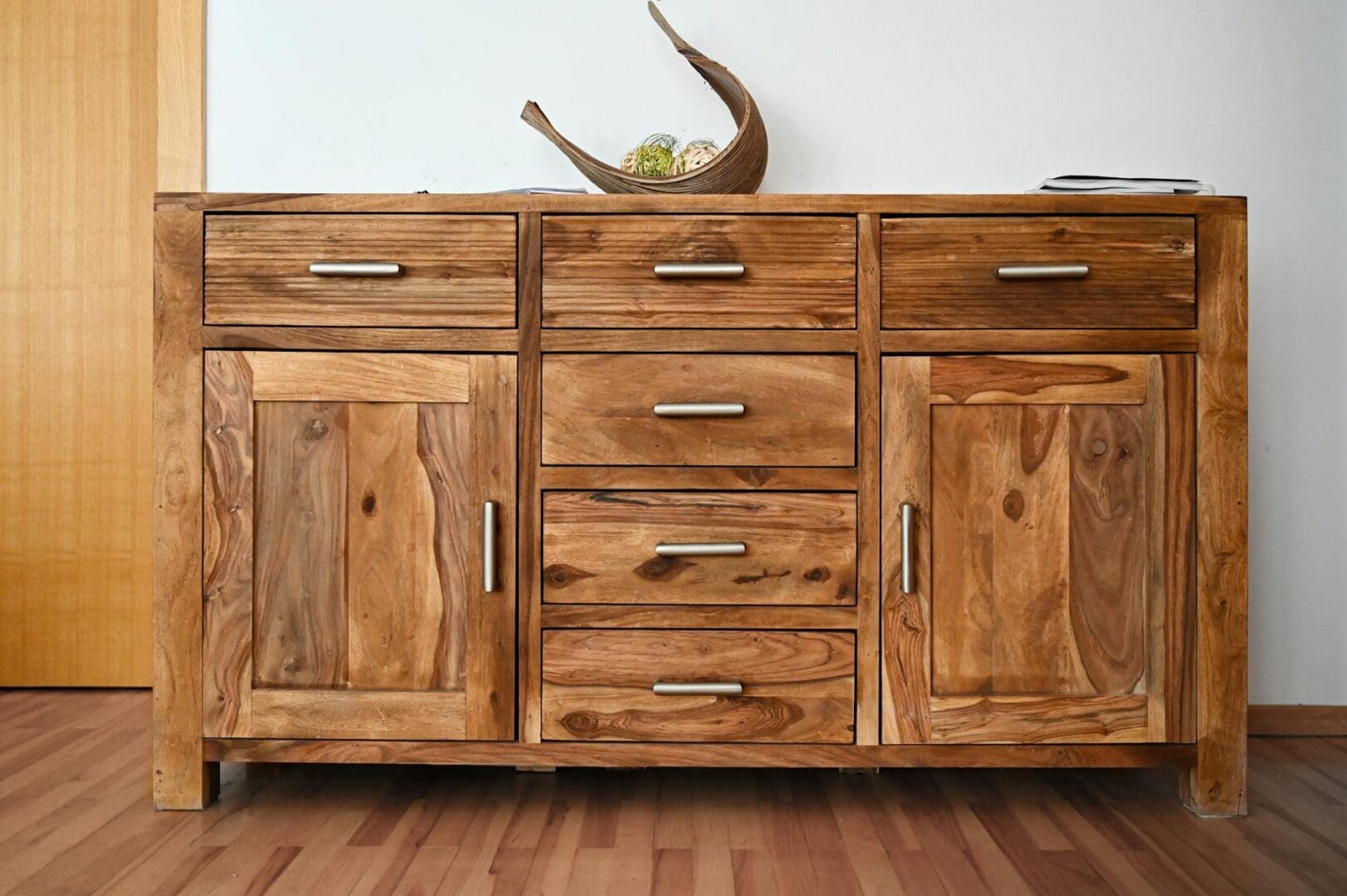
Solid wood buffets in oak, walnut, or acacia run from $800 to $2,500 and should last decades. Look for dovetail drawer joints and soft-close hinges—these details indicate quality construction. Wood veneer over engineered wood brings the price down to $400-$800 and can look nearly identical to solid wood, though it won’t hold up quite as long.
The wine storage components themselves need attention too. Metal wine racks are sturdier than plastic. If the unit has glass doors, make sure they’re tempered glass—it’s safer and more durable. Check that adjustable shelves are included in cabinet sections so you can customize storage for serving pieces and other dining essentials.
Finish matters for longevity. A well-applied stain or paint with a protective topcoat will resist water rings and scratches. Distressed or rustic finishes hide wear better than glossy ones if you have kids or plan to use the buffet heavily.
Style That Works With Your Dining Room
Your buffet should complement your dining table and existing decor. Farmhouse styles with planked doors and weathered finishes pair beautifully with rustic or casual dining rooms. Traditional buffets feature raised panel doors, turned legs, and rich wood tones that suit formal spaces.
Modern and contemporary wine buffets keep things simple with clean lines, minimal hardware, and often incorporate mixed materials like wood and metal. Mid-century modern options with tapered legs and warm walnut tones bridge traditional and contemporary beautifully.
Color-wise, natural wood tones are most versatile. Painted buffets in navy, gray, or white can make a statement but limit your flexibility if you redecorate. Two-tone designs—like a dark top with a lighter base—add visual interest while staying relatively neutral.
Finding the right buffet with wine storage means balancing your bottle count, available space, and aesthetic preferences. Focus on quality construction in a size that fits your room, and choose a wine storage configuration that matches how you actually use and display your collection. Once you know what matters most to you, you’ll spot the right piece quickly.
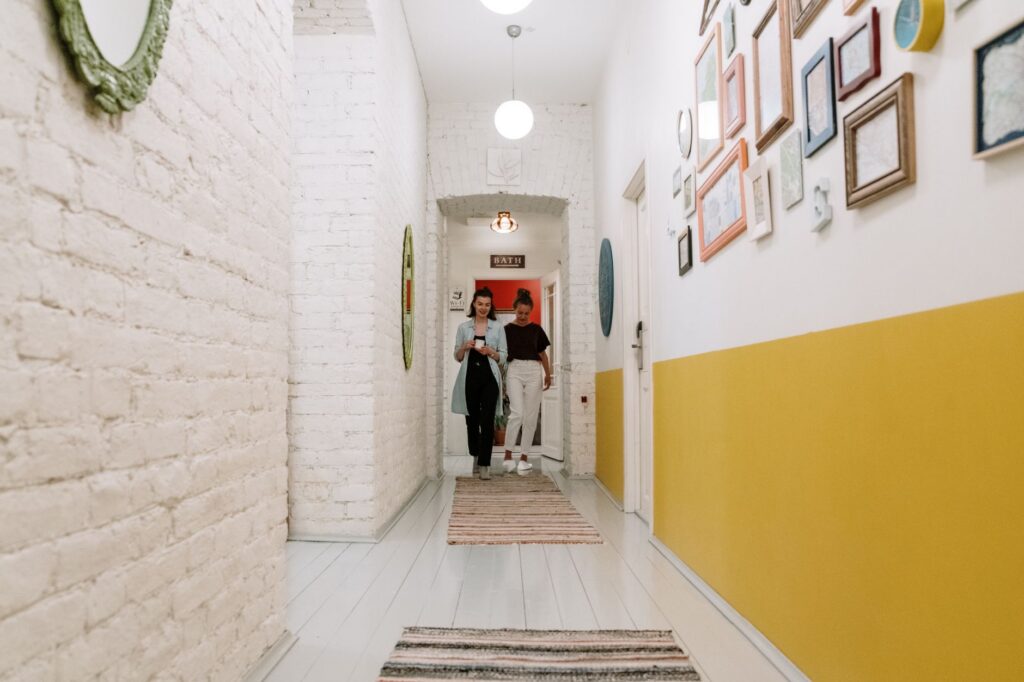
Hallways are the overlooked workhorses of our homes—they connect every room, but rarely get the storage love they deserve. A well-chosen sideboard transforms that narrow stretch of wall into genuinely useful space without making your hallway feel like an obstacle course. The trick is finding one that fits the proportions of the room while actually […]
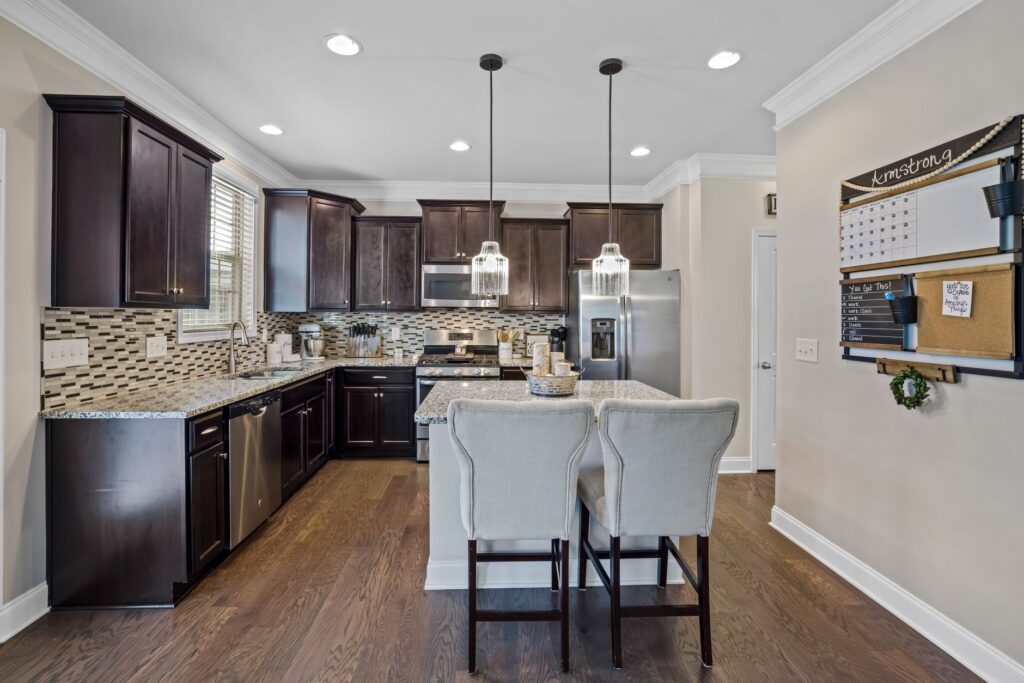
Dark kitchens—whether they feature rich espresso cabinets, moody charcoal walls, or black granite countertops—create incredible drama and sophistication. But they also present a unique challenge when it comes to choosing bar stools. Pick the wrong ones, and your beautiful space can feel cave-like or visually heavy. Choose wisely, and your stools become the bright spot […]
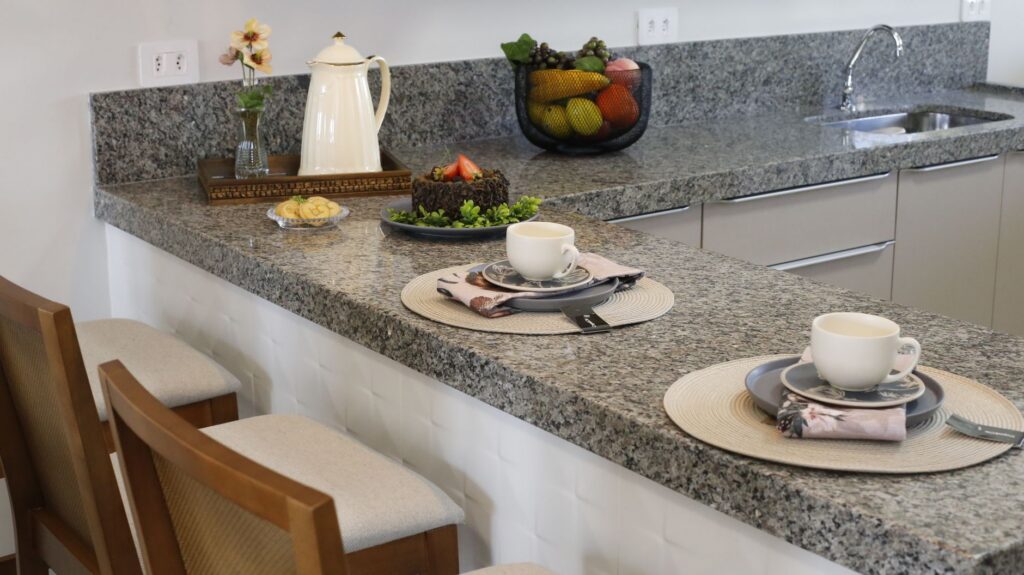
Your kitchen peninsula is prime real estate—it’s where morning coffee happens, where kids do homework while you’re prepping dinner, and where guests naturally gather during parties. Getting the right bar stools makes all the difference between a peninsula that feels welcoming and one that sits empty. But with so many options for height, style, and […]