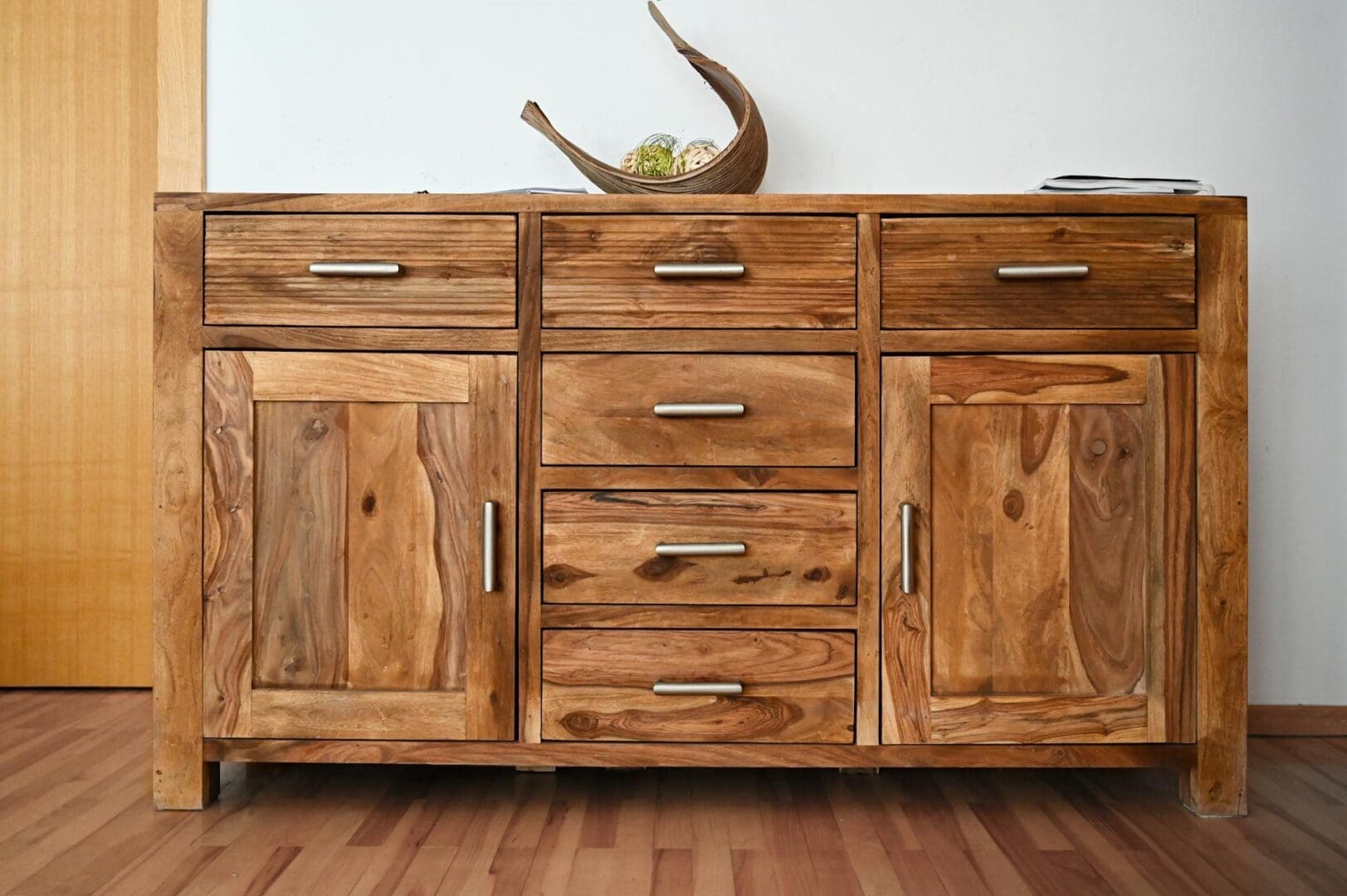
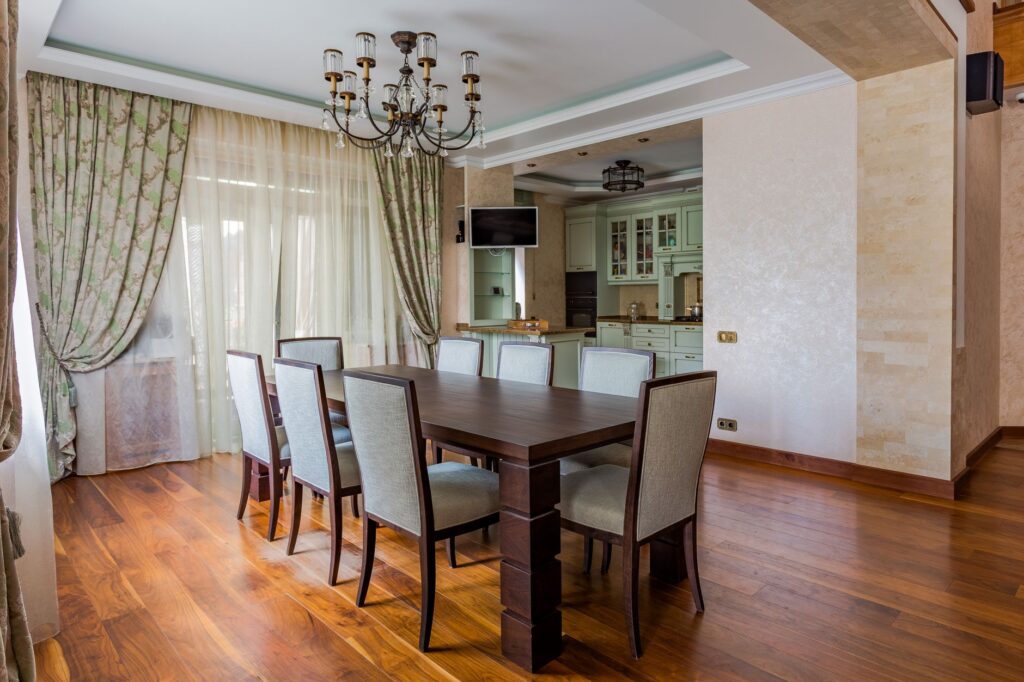
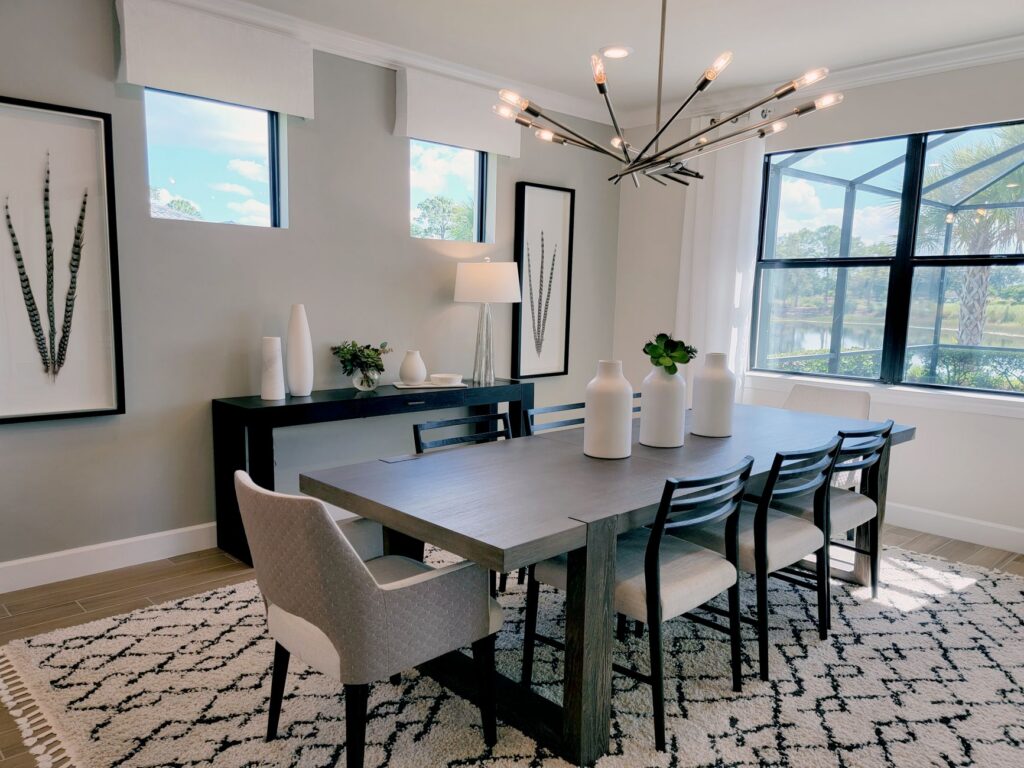
You need more storage in your dining room, but you’re staring at dozens of buffets and sideboards online wondering what the difference even is—and more importantly, which one will actually work in your space. The good news? These pieces are more versatile than you might think, and finding the right one comes down to a few practical decisions about your room and how you live in it.
Understanding Buffets vs. Sideboards (and Why It Barely Matters)
Traditionally, buffets are taller with longer legs, while sideboards sit lower and closer to the ground. But here’s the reality: most retailers use these terms interchangeably now, and what matters most is the piece’s dimensions and storage configuration, not what it’s called.
Focus instead on height. A piece that’s 32-36 inches tall works well as a serving surface in dining rooms, hitting most people around hip height. Lower pieces (26-30 inches) work better in living rooms as media consoles or behind sofas. Taller cabinets (over 36 inches) often include hutches and provide more storage but can overwhelm smaller spaces.
Getting the Size and Proportions Right
This is where most people go wrong. Your buffet should be proportional to both your dining table and the wall it sits against.
As a general rule, your buffet should be at least half the length of your dining table, but not longer than the table itself. So if you have a 72-inch table, look for buffets between 36 and 72 inches wide. A 60-inch buffet tends to be the sweet spot for most dining rooms.
For depth, most buffets run 18-22 inches deep. Make sure you have at least 24 inches of clearance between the buffet and your table when chairs are pulled out—30 inches is better. Measure your space before you fall in love with anything, because a too-deep buffet in a narrow room creates a frustrating traffic jam.
Storage Configuration: What Do You Actually Need?
Think about what you’re storing before you get distracted by pretty hardware. Different configurations serve different purposes:
Cabinets with shelves: Best for storing serving dishes, extra dinnerware, and table linens. Adjustable shelves add flexibility as your needs change.
Drawers: Perfect for flatware, napkins, and smaller items you want to access quickly. Dovetail joints and smooth glides indicate quality construction.
Wine storage: Built-in wine racks or stemware holders are nice if you use them, but they limit future flexibility. Make sure you’ll really use this feature.
Open shelving: Great for displaying serving pieces or decorative items, but requires more maintenance to keep looking tidy.
Most versatile option? A mix of cabinets and drawers that lets you hide clutter while keeping frequently-used items accessible.
Materials and Styles That Last
Solid wood buffets (oak, walnut, maple) run $800-$2,500 and will literally last generations. They handle daily use, can be refinished, and develop character over time. Wood veneer over engineered wood brings the price down to $400-$1,200 while still looking substantial—just check that it’s a quality veneer that won’t peel.
Budget options under $400 typically use laminate or MDF. These can look great initially but won’t hold up to heavy use or humidity changes in a dining room environment.
For style, consider what you’re living with long-term. Mid-century modern pieces with tapered legs and clean lines have proven staying power. Traditional buffets with decorative molding suit formal spaces. If your taste tends to evolve, simpler styles adapt more easily to changing decor.
Pay attention to finishes, too. Darker woods show dust and fingerprints more readily than medium tones. Painted finishes offer versatility but may need touch-ups over time around hardware and high-contact areas.
Making Your Decision
Start by measuring your space and determining your realistic storage needs. Decide on your budget range, keeping in mind this is a piece you’ll likely keep for 10-20 years—spending a bit more for solid construction usually pays off. Then narrow down to styles that complement your existing furniture without trying too hard to match exactly.
The right buffet grounds your dining room while solving real storage problems. Once you’re clear on size and function, you’re ready to find a piece that checks both practical and aesthetic boxes.
There’s something about farmhouse chandeliers that just works in a dining room—they bring warmth without being fussy, character without feeling overdone. But with so many styles calling themselves “farmhouse,” from sleek metal cages to chunky wood beam fixtures, figuring out which one belongs above your table can feel surprisingly tricky. The right chandelier should anchor […]
A sputnik chandelier makes a serious statement in a dining room—all those radiating arms and exposed bulbs create instant drama and mid-century appeal. But with so many variations in size, arm count, and finish, choosing the right one for your space can feel overwhelming. Get it right, though, and you’ve got a showstopper that pulls […]
When every square foot counts, bringing furniture into a small apartment feels like a high-stakes game of Tetris. You need storage desperately, but you’re terrified of making your space feel even more cramped. A sideboard can be the perfect solution—if you choose the right one. Let’s walk through exactly what to look for so you […]