A bedroom bench seems like one of those pieces you could live without—until you have one. Suddenly, you’ve got a place to sit while putting on shoes, a landing spot for tomorrow’s outfit, and maybe even hidden storage for extra blankets. But with options ranging from sleek backless benches to upholstered storage ottomans, figuring out which one actually works for your space takes a bit of planning.
Getting the Size Right
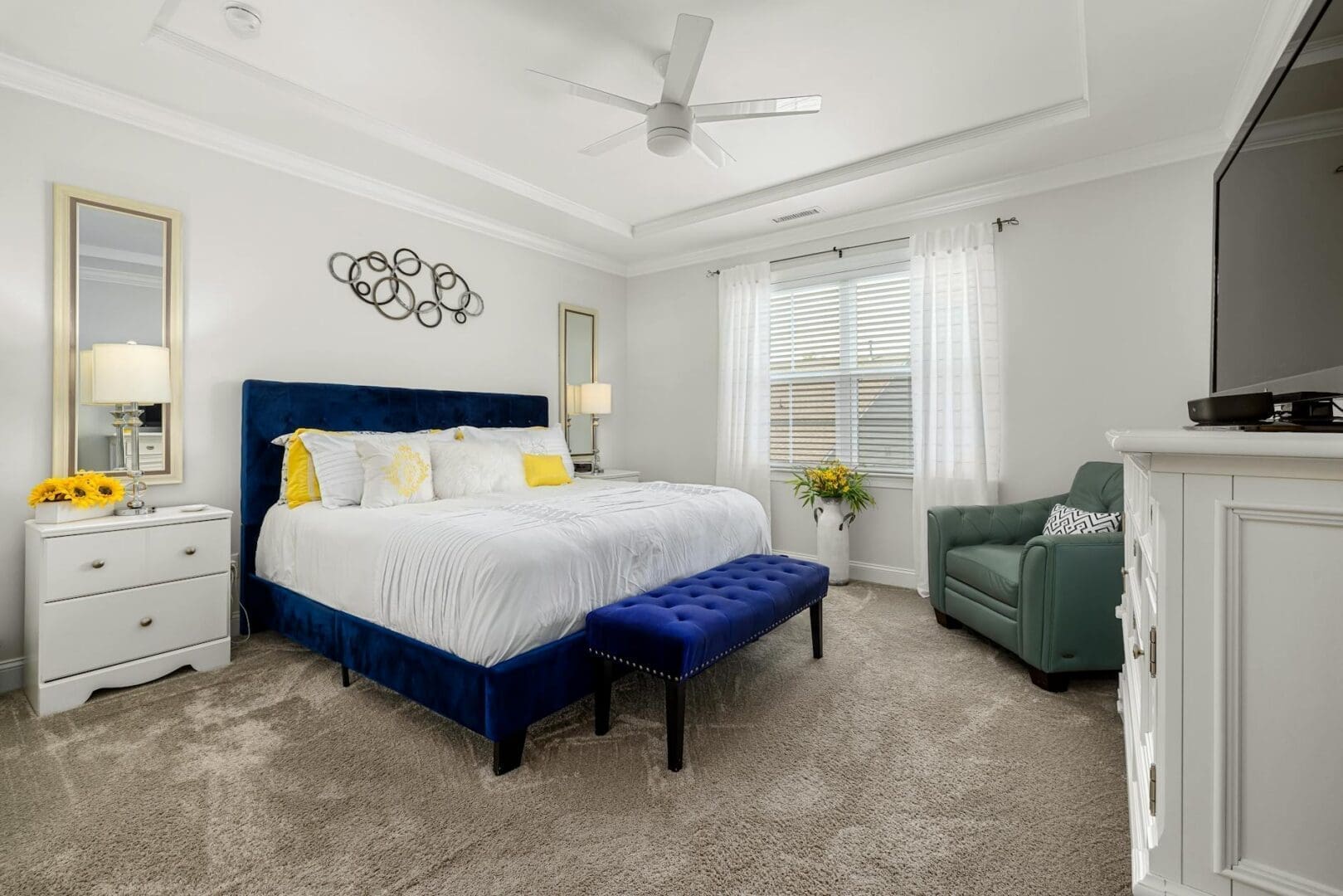
The most common spot for a bedroom bench is at the foot of the bed, and this placement comes with some specific sizing guidelines. Your bench should be about two-thirds the width of your bed—so roughly 40 inches for a queen or 50 inches for a king. Any wider and it starts looking awkward; much narrower and it feels like an afterthought.
Height matters too, especially if you’re planning to use it for seating. Most bedroom benches sit between 16 and 20 inches high. Lower benches (around 16 inches) work well for casual perching and create a sleeker profile, while 18-20 inch heights are more comfortable for actually sitting to put on shoes or do a quick makeup touch-up. Just make sure there’s enough clearance between your bench and the bed—at least 12 inches of walkway space is ideal.
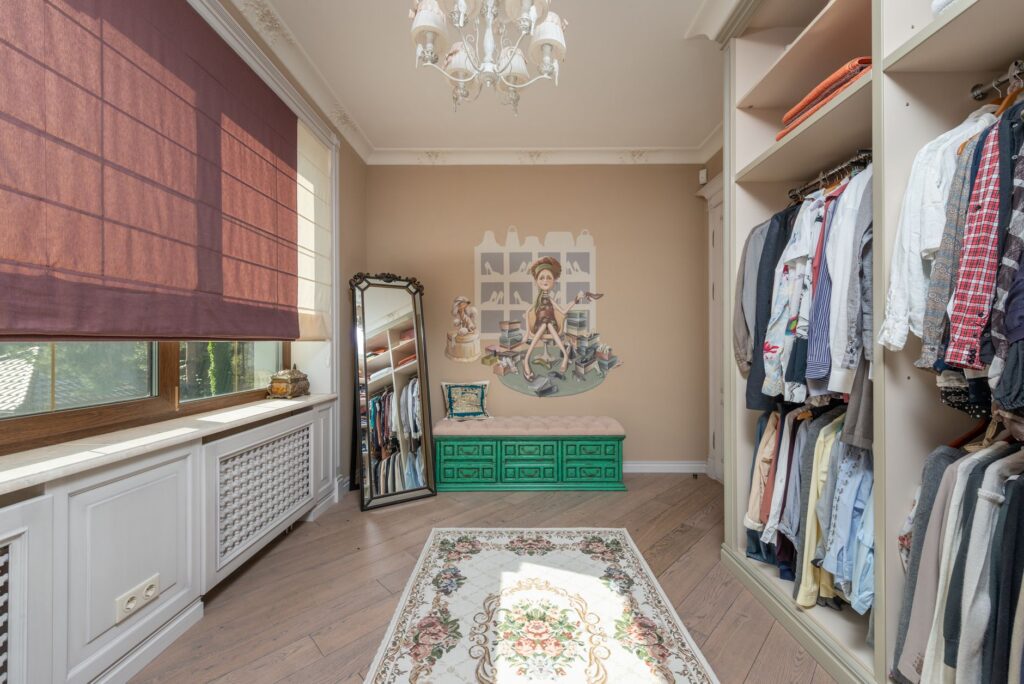
Don’t have room at the foot of the bed? Consider placing a smaller bench under a window or against an empty wall. These spots work perfectly for narrower 30-36 inch benches.
Storage vs. No Storage
This is where bedroom benches really earn their keep. If you’re short on closet space or need somewhere to stash extra pillows, a storage bench is worth every penny. Lift-top storage benches typically range from $150-$400 and offer surprising capacity—many can hold several blankets, throw pillows, or out-of-season clothing.
The trade-off? Storage benches tend to be bulkier and have a more substantial look. If your bedroom is on the smaller side or you prefer minimal styling, a simple backless bench without storage keeps things visually light. These open-frame benches usually run $100-$300 for decent quality and work especially well in modern or transitional spaces where you want furniture to feel less imposing.
Upholstery and Material Choices
The material you choose affects both the look and practicality of your bench. Upholstered benches in linen, velvet, or performance fabrics create a soft, inviting feel and are the most comfortable for actual sitting. Linen offers a relaxed, textured look that hides minor wear well. Velvet adds instant luxury but shows every scratch if you have pets. Performance fabrics split the difference—they look refined but can handle real life.
Budget-friendly upholstered benches typically start around $120, while mid-range options with quality foam padding and durable fabrics run $250-$500. Splurge-worthy pieces with tufting, nailhead trim, or designer fabrics can easily exceed $600.
Wood and metal benches bring a completely different vibe. A wooden bench with a cushioned or woven seat works beautifully in traditional, farmhouse, or bohemian bedrooms. Metal-frame benches with leather or canvas straps suit industrial or modern spaces. These tend to be less comfortable for extended sitting but are often more durable and easier to clean than fully upholstered options.
Style Considerations
Your bench should feel like it belongs with your bed frame and other furniture, but it doesn’t need to match exactly. A tufted velvet bench adds elegance to a traditional bedroom with an upholstered headboard. A simple wooden bench with clean lines complements modern platform beds. If you have a metal bed frame, look for benches with metal accents or legs to create visual continuity.
Color-wise, neutrals like gray, beige, and cream are safe bets that work with changing bedding. But a bedroom bench is also a relatively low-commitment way to add a pop of color—navy, emerald, or even blush can inject personality without overwhelming the space.
Think about the details too. Benches with backs or arms offer more visual interest and support but take up more space. Backless benches are sleeker and can slide partially under higher beds when not in use. Turned legs feel traditional, while straight or tapered legs read more contemporary.
A bedroom bench really does make your space more functional and put-together. Focus on the size that fits your room, decide whether storage would actually get used, and choose materials that match both your style and how you’ll really use it. Once you’ve narrowed down those basics, you’ll find plenty of options that check all your boxes.
Shopping for a dresser for your child’s room feels different than buying one for yourself. You’re not just thinking about today—you’re wondering if it’ll survive the toddler years, hold up through elementary school, and maybe even make it to the teenage bedroom. The good news? With the right approach, you can find a dresser that […]
You’ve found the perfect bed frame, but now your old dresser looks completely out of place. Or maybe you’re starting fresh and wondering whether you need to buy a matching bedroom set. The truth is, coordinating your dresser and bed frame isn’t about finding exact matches—it’s about creating visual harmony through smart choices about style, […]
Adding a dresser to your walk-in closet can transform it from a simple hanging space into a fully functional dressing room. But unlike choosing a dresser for your bedroom, closet dressers have different requirements—they need to fit within existing dimensions, complement built-in systems, and maximize storage without creating obstacles. Whether you’re designing a new closet […]